Understanding the real cost of stone-coated steel roofing in 2025 is no longer just about price per square meter. For developers, contractors, distributors, and commercial building owners, cost today means lifecycle value, logistics efficiency, durability, and long-term risk control.
At ROOFGLORY, we work directly with global B2B clients from our manufacturing base in Linyi, Shandong, China, supplying stone-coated steel roofing systems to projects across residential developments, commercial buildings, resorts, and industrial facilities. Based on real export data, factory production costs, and international market trends, this guide explains what stone-coated steel roofing really costs in 2025—and why.
If you are sourcing roofing materials at scale, this article will help you make decisions grounded in numbers, performance, and long-term business logic rather than surface-level pricing.
Understanding Stone-Coated Steel Roofing in a Commercial Context
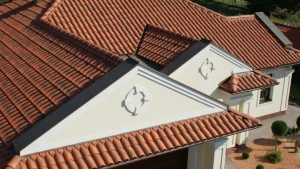
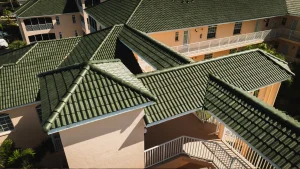
Stone-coated steel roofing is a hybrid roofing system that combines a galvanized or Al-Zn steel base with natural stone granules bonded by high-performance acrylic coatings. Unlike traditional asphalt shingles or concrete tiles, stone-coated steel roofing is engineered for structural performance, longevity, and environmental resilience.
For B2B buyers, especially those involved in multi-unit housing, hospitality projects, or distribution, this roofing type is increasingly chosen not as a premium aesthetic upgrade, but as a strategic material choice that balances weight, durability, and total cost of ownership.
You can explore ROOFGLORY’s full stone-coated roofing range and profiles at
👉 https://roofglory.com
Average Stone-Coated Steel Roofing Cost in 2025
In 2025, global pricing for stone-coated steel roofing varies depending on region, order volume, coating system, and steel substrate type. Based on export-level factory data, the following ranges are realistic for B2B procurement.
Material Cost (Factory-Level, FOB)
For bulk commercial or distribution orders:
-
USD 8.5 – 14.5 per square meter
-
Equivalent to USD 80 – 135 per roofing square (100 sq ft)
This range reflects:
-
Steel thickness (0.35mm – 0.55mm)
-
Coating type (galvanized vs Al-Zn)
-
Stone granule quality
-
Color system and UV resistance
-
Order quantity and container loading efficiency
At ROOFGLORY, most export orders fall into the mid-range of this spectrum, optimized for long-term durability rather than entry-level pricing.

Installed Cost vs Material Cost: A Key B2B Distinction
For commercial decision-makers, it is critical to separate material cost from installed cost, especially when comparing stone-coated steel roofing to other roofing systems.
Installed Cost (Global Average Reference)
Depending on labor markets and roof complexity, installed costs typically range from:
-
USD 15 – 30 per square meter
-
Or USD 150 – 300 per roofing square
However, for many B2B buyers—developers, distributors, EPC contractors—the material cost dominates procurement decisions, as installation is handled locally or internally.
Stone-coated steel roofing often results in lower installed cost over time, due to:
-
Faster installation compared to concrete tiles
-
Reduced structural reinforcement requirements
-
Fewer repairs and replacements
What Factors Drive Stone-Coated Steel Roofing Cost in 2025?
Pricing in 2025 is shaped by a combination of raw material economics, manufacturing technology, and global logistics realities.
Steel Substrate and Thickness
Steel accounts for a significant portion of total cost. In 2025, global steel price volatility continues to influence roofing costs.
-
Thicker steel (0.45–0.55mm) increases durability and wind resistance
-
Thinner steel reduces upfront cost but may affect lifespan
ROOFGLORY typically recommends 0.45mm steel for commercial and export projects, balancing strength and cost efficiency.
Coating System: Galvanized vs Al-Zn
The type of protective coating applied to the steel directly affects corrosion resistance and price.
-
Galvanized steel: lower cost, suitable for mild climates
-
Al-Zn (Aluminum-Zinc): higher cost, superior corrosion resistance, longer lifespan
In coastal, tropical, or high-humidity regions, Al-Zn substrates often reduce total lifecycle cost, even if the upfront price is higher.
Stone Granules and Surface Treatment
Not all stone granules are equal. Natural stone sourcing, granule size consistency, and color stability all affect pricing.
Higher-quality granules:
-
Improve UV resistance
-
Reduce color fading
-
Enhance acoustic and thermal performance
ROOFGLORY uses natural crushed stone with multi-layer bonding, designed for export climates and long-term exposure.
Profile Design and Customization
Different tile profiles influence production cost:
-
Shake
-
Bond
-
Shingle
-
Roman
-
Classic tile
More complex profiles require precision tooling and higher production control, slightly increasing cost but often improving market appeal and installation performance.
Custom colors, branding, or packaging for distributors can also affect unit pricing.
Logistics and Shipping Costs: Often Underestimated
For international B2B buyers, logistics can account for 15–30% of landed cost.
Key considerations include:
-
Container utilization efficiency
-
Pallet design
-
Roof tile stacking method
-
Port proximity
Our factory location in Linyi, Shandong provides efficient access to major Chinese ports, helping ROOFGLORY clients reduce per-unit freight cost.
If you are evaluating landed cost for your market, our team can assist with container optimization strategies.
👉 Contact ROOFGLORY via https://roofglory.com
Comparing Stone-Coated Steel Roofing with Other Roofing Materials
Cost comparisons only make sense when viewed across the full service life of the roof.
Versus Asphalt Shingles
Asphalt shingles have lower upfront cost, but:
-
Shorter lifespan (15–25 years)
-
Higher replacement frequency
-
Greater maintenance needs
Stone-coated steel roofing typically lasts 40–70 years, often making it more economical over time for commercial buildings.
Versus Concrete or Clay Tiles
Concrete and clay tiles are heavy, increasing:
-
Structural reinforcement costs
-
Transportation expenses
-
Installation labor
Stone-coated steel roofing offers similar aesthetics at a fraction of the weight, reducing both material and installation costs in large-scale projects.
Versus Standing Seam Metal Roofing
Standing seam systems can be more expensive upfront and may amplify noise.
Stone-coated steel roofing provides:
-
Better acoustic performance
-
Greater architectural flexibility
-
Lower visible expansion movement
Total Cost of Ownership: The Metric That Matters

For B2B buyers, the real question is not “What does it cost today?” but “What does it cost over 30–50 years?”
Stone-coated steel roofing reduces:
-
Replacement cycles
-
Repair labor
-
Insurance risk
-
Downtime due to roof failure
In many commercial projects, these indirect savings exceed the initial material cost difference within the first decade.
Cost Advantages of Factory-Direct Sourcing from China
Sourcing directly from a manufacturer like ROOFGLORY offers measurable cost advantages:
-
No trading-layer markup
-
Stable production scheduling
-
Consistent quality control
-
Customization flexibility
-
Scalable supply for long-term projects
Our factory in Shandong, China, integrates steel forming, coating, granule bonding, and quality inspection under one system, helping B2B clients maintain predictable costs across large volumes.
Learn more about our manufacturing capabilities at
👉 https://roofglory.com
Is Stone-Coated Steel Roofing Worth the Cost in 2025?
For commercial buildings, residential developments, hospitality projects, and distribution markets, stone-coated steel roofing is no longer a niche product—it is a cost-optimized, performance-driven roofing solution.
In 2025, rising labor costs, climate risks, and sustainability expectations make long-lasting roofing systems more economically attractive than ever.
When evaluated through lifecycle cost, durability, and logistics efficiency, stone-coated steel roofing consistently delivers strong ROI for B2B buyers.
How ROOFGLORY Supports Global B2B Buyers
At ROOFGLORY, we don’t just sell roofing tiles—we support long-term supply partnerships.
We work with:
-
Importers and distributors
-
Developers and contractors
-
OEM and private-label clients
-
Government and infrastructure projects
From material selection to packaging optimization and technical documentation, our team supports your procurement process end-to-end.
👉 Start a conversation with our team at https://roofglory.com
FAQ: Stone-Coated Steel Roofing Cost
How much does stone-coated steel roofing cost per square meter in 2025?
Factory-level prices typically range from USD 8.5 to 14.5 per square meter, depending on specifications and order volume.
Is stone-coated steel roofing more expensive than asphalt shingles?
Upfront, yes. Over its full lifespan, it is often significantly more cost-effective due to durability and reduced maintenance.
Does steel thickness significantly affect price?
Yes. Thicker steel increases material cost but also improves wind resistance and lifespan, often reducing long-term costs.
Can stone-coated steel roofing reduce insurance or maintenance costs?
In many regions, its fire resistance and durability can contribute to lower insurance premiums and fewer repairs.
Can ROOFGLORY provide cost estimates for my market?
Yes. We provide project-based quotations, including material specs and export logistics planning.
👉 Contact us via https://roofglory.com