
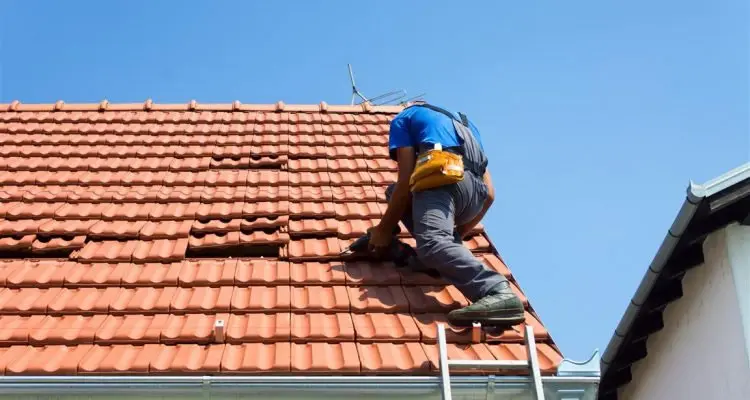
Installing a stone coated roof is not only a construction process—it is a precision engineering task that directly determines the performance, lifespan, and waterproof reliability of the entire roofing system.
Even the highest-quality stone coated roofing system will underperform if installation is incorrect. Conversely, a properly installed system can easily exceed 50 years of service life with minimal maintenance.
For contractors, distributors, and project developers, understanding the correct installation methodology is essential for reducing warranty risks, preventing leakage issues, and ensuring long-term structural performance.
At ROOFGLORY, based in Linyi, Shandong, China, we supply stone coated roofing systems to global B2B clients and support them with technical installation guidance, training materials, and project consultation.
This guide is designed to provide a complete, practical installation framework for professionals.
1. Understanding the Stone Coated Roof System Before Installation
Before any installation begins, it is essential to understand that stone coated roofing is a system, not just a material.
A complete system includes:
- Stone coated metal tiles
- Ridge caps
- Valley flashing
- Starter strips
- Fixing screws
- Underlayment membrane
- Ventilation components
Each component plays a structural role in waterproofing, wind resistance, and load distribution.
Ignoring any part of the system may compromise the entire roof performance.
2. Roof Structure Requirements
Stone coated roofing is lightweight compared to concrete or clay tiles, but it still requires a stable structural base.
Acceptable roof decks include:
- Plywood decking
- OSB boards
- Steel purlin systems
- Concrete slabs (with proper batten system)
Key structural requirements:
- Surface must be clean, dry, and level
- No significant deflection or movement
- Proper load distribution for wind uplift resistance
In commercial projects, structural engineers often evaluate wind load zones before final approval of installation layout.
3. Minimum Roof Pitch Requirements
Roof slope is one of the most critical installation parameters.
For stone coated roofing systems:
- Minimum recommended slope: 15° (approx. 3:12 pitch)
- Ideal slope range: 20°–45°
Lower slopes increase the risk of water retention and require additional waterproofing measures.
For very low-slope applications, special underlayment systems and sealing techniques must be applied.
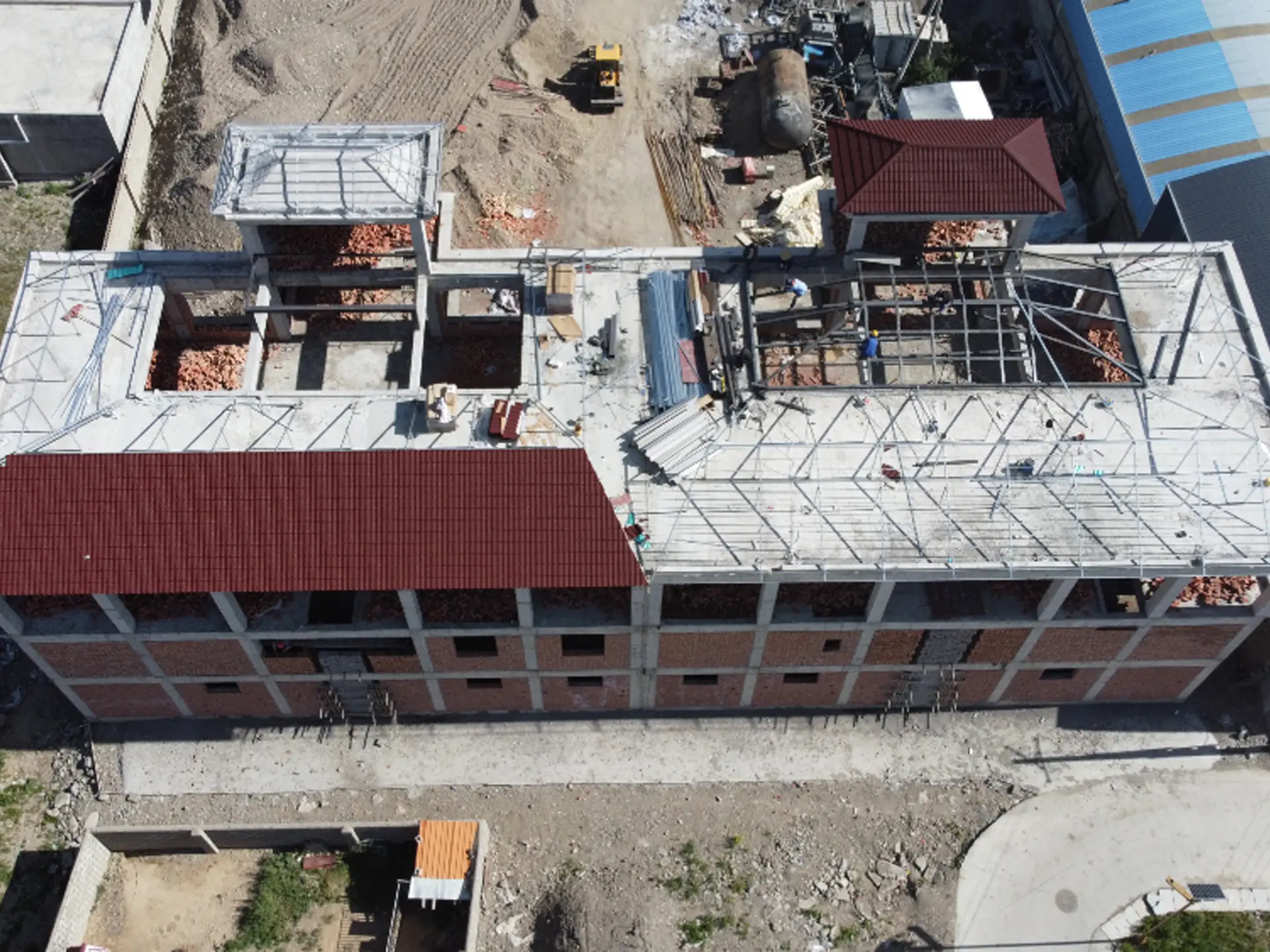
4. Underlayment Installation (Critical Waterproof Layer)
The underlayment acts as the secondary waterproof barrier.
It is especially important during heavy rainfall or temporary wind-driven water intrusion.
Common underlayment types:
- Synthetic waterproof membrane (recommended)
- Bitumen-based underlayment
- High-temperature waterproof sheets
Installation must ensure:
- Full coverage of roof deck
- Proper overlap (typically 100mm–150mm)
- Secure fastening without wrinkles or air gaps
Poor underlayment installation is one of the most common causes of leakage—not tile failure.
5. Starter Strip Installation
Starter strips are installed at the eaves of the roof.
Their function is to:
- Support the first row of tiles
- Ensure proper alignment
- Prevent wind uplift at roof edges
Correct positioning is essential because all subsequent rows depend on the starter alignment.
Even a small deviation can lead to cumulative misalignment across the roof surface.
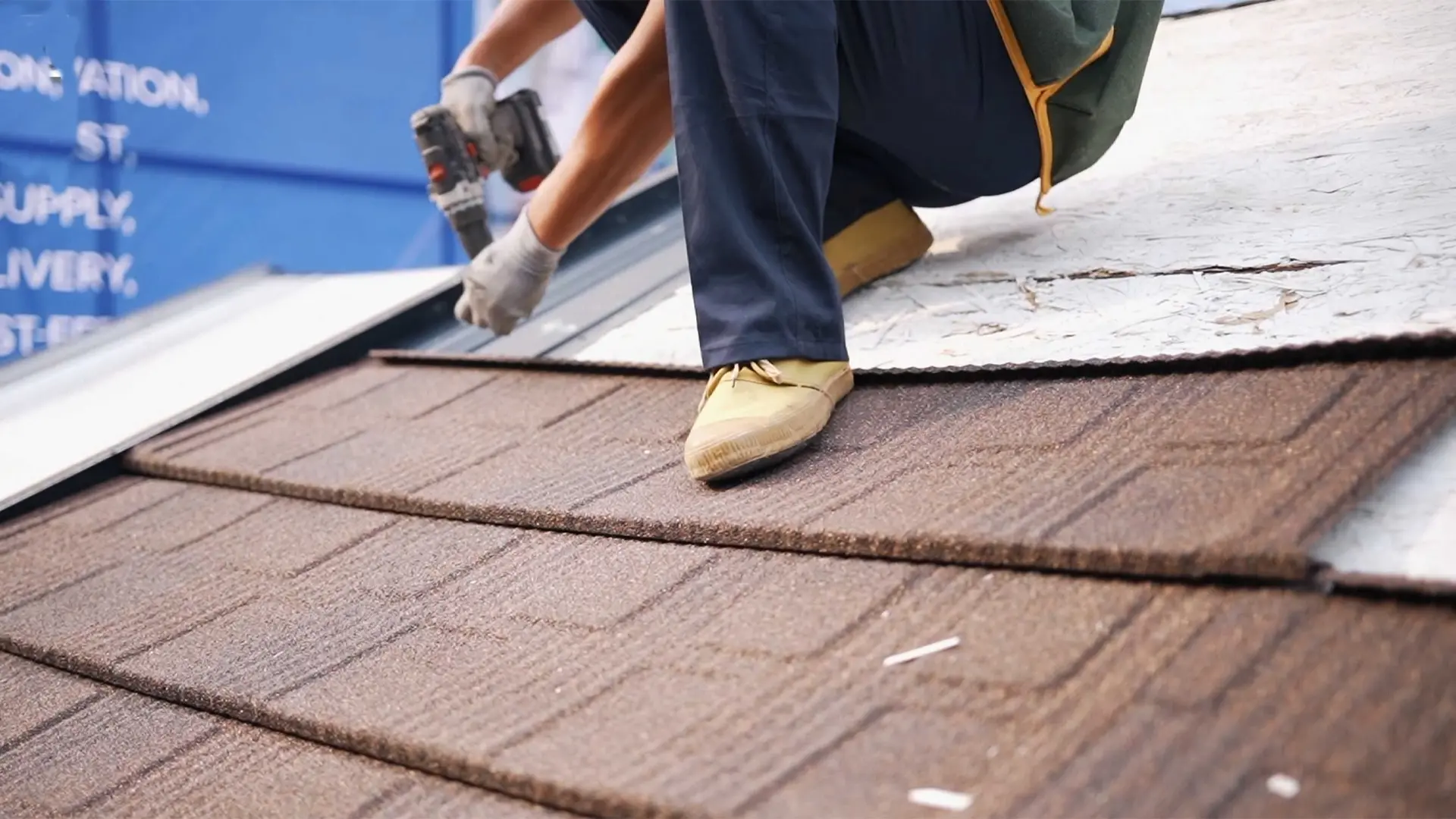
6. Installing Stone Coated Roof Tiles
The installation process typically follows a bottom-up approach.
Step-by-step workflow:
- Start from the eave line
- Align first row precisely with starter strip
- Fix tiles using corrosion-resistant screws
- Ensure interlocking joints are fully engaged
- Maintain consistent overlap between rows
Each tile must be securely fastened while maintaining alignment with adjacent tiles.
The interlocking system is designed to distribute load and resist wind uplift, but only if properly engaged.
7. Fixing Method and Fastener Selection
Fasteners are a critical but often underestimated component.
Recommended fasteners:
- Galvanized or stainless steel screws
- Anti-corrosion coated nails (in specific systems)
Fastening requirements:
- Must penetrate structural batten or deck
- Must not be over-tightened (prevents coating damage)
- Must follow manufacturer spacing guidelines
Improper fastening can lead to:
- Wind uplift failure
- Tile movement
- Water ingress points
8. Valley and Ridge Installation
Roof valleys and ridges are high-risk areas for leakage.
Valley installation:
- Install valley flashing first
- Ensure overlap beneath tile edges
- Maintain smooth water drainage path
Ridge installation:
- Ridge caps cover the top intersection of roof slopes
- Must be sealed and mechanically fixed
- Ventilation gaps may be included depending on design
These areas require higher installation precision than field tiles.
9. Flashing and Edge Protection
Flashing protects vulnerable junctions such as:
- Chimneys
- Wall intersections
- Roof edges
- Skylights
Improper flashing installation is one of the most common causes of long-term leakage issues in roofing systems globally.
10. Ventilation Considerations
Proper ventilation extends roof lifespan by:
- Reducing heat buildup
- Preventing condensation
- Protecting underlayment layers
Common ventilation solutions:
- Ridge vents
- Soffit vents
- Mechanical roof vents (commercial projects)
11. Installation in Different Climate Conditions
Hot climates
Focus on heat expansion allowance and reflective performance.
Cold climates
Focus on snow load and freeze-thaw resistance.
Coastal regions
Use corrosion-resistant fasteners and coatings.
High wind zones
Increase fastening density and ensure full interlock engagement.
12. Common Installation Mistakes
Even experienced contractors can make critical errors.
Most common issues include:
- Incorrect tile alignment
- Inadequate fastening
- Poor valley sealing
- Improper underlayment overlap
- Ignoring roof pitch requirements
These mistakes often lead to premature roof failure—not material failure.
13. Maintenance After Installation
Stone coated roofs require minimal maintenance, but periodic inspection is recommended:
- Check fasteners every 2–3 years
- Clean debris from valleys
- Inspect flashing after storms
- Ensure ventilation is not blocked
14. Installation Time and Labor Efficiency
Compared to traditional tile roofing systems:
- Installation is significantly faster
- Less skilled labor required
- Lower long-term labor cost
For large commercial projects, this can reduce total project timelines substantially.
15. Why Manufacturer Support Matters
For B2B projects, installation success depends heavily on manufacturer support.
ROOFGLORY provides:
- Installation manuals
- Technical drawings
- Video guidance
- Container loading optimization
- Project consultation support
This reduces risk for distributors and contractors working in unfamiliar markets.
Conclusion
Proper installation is the most important factor determining the performance of a stone coated roofing system.
When installed correctly, the system delivers:
- 40–70 years lifespan
- Excellent weather resistance
- Low maintenance cost
- Strong structural reliability
When installed incorrectly, even premium materials can fail prematurely.
This is why technical guidance from an experienced manufacturer is critical.
At ROOFGLORY, we support global B2B clients with both high-quality stone coated roofing materials and complete installation guidance systems from our factory in Linyi, Shandong, China.
To learn more, visit:
https://roofglory.com