

Understanding the Global Opportunity Behind Modern Roofing Systems
The roofing industry is changing rapidly.
For decades, traditional roofing materials such as clay tiles, concrete tiles, and standard metal sheets have been widely used in residential and commercial construction. However, modern construction projects now require roofing solutions that provide better durability, easier installation, improved weather resistance, and stronger long-term value.
This shift has created growing demand for interlocking roof tiles, a roofing system that combines traditional aesthetics with modern manufacturing technology.
For roofing importers, distributors, wholesalers, and building material suppliers, interlocking roof tiles represent more than just another construction product. They are a product category with strong market potential because they meet the changing expectations of builders, contractors, and property developers worldwide.
At ROOFGLORY, we specialize in manufacturing high-quality roofing solutions for global B2B customers. Located in Linyi, Shandong, China, our factory focuses on providing reliable roofing products for international distributors, importers, contractors, and construction projects.
This guide explains what interlocking roof tiles are, why they are becoming increasingly popular, and what importers should consider when selecting a professional roofing manufacturer.
What Are Interlocking Roof Tiles?
Interlocking roof tiles are roofing components designed with specially engineered edges that allow individual tiles to connect and overlap with surrounding tiles.
Unlike traditional roof tiles that mainly depend on simple overlapping, weight, or mortar fixing, interlocking roof tiles use a structured connection system to create a more stable roofing surface.
The basic principle is simple:
Each tile is manufactured with specific profiles that allow it to fit together with adjacent tiles. During installation, these connected tiles form a continuous roofing system that helps improve alignment, water management, and overall roof stability.
For building material distributors, this design provides an important commercial advantage. A roofing product that offers easier installation and reliable performance can help reduce customer complaints and improve long-term market reputation.
How Do Interlocking Roof Tiles Work?
The main feature of interlocking roof tiles is the connection between individual roofing pieces.
Traditional roofing systems often rely heavily on installer experience. If tiles are not positioned correctly, problems such as water penetration, uneven appearance, or reduced durability may occur.
Interlocking systems are designed to make installation more consistent.
The tile edges are manufactured to overlap and connect with neighboring tiles. This structure helps:
- Guide rainwater movement
- Improve tile positioning
- Increase roof stability
- Reduce installation errors
For professional contractors, this means a more efficient installation process. For importers, it means a product that can be easier to promote because the installation advantages create additional value for end customers.
Interlocking Roof Tiles vs Traditional Roofing Materials
Understanding how interlocking roof tiles differ from traditional roofing products is important for importers evaluating new product opportunities.
Traditional clay or concrete tiles have been popular for many years because of their classic appearance and proven usage. However, they also have some limitations.
Clay tiles:
- Can be heavy
- May break during transportation
- Often require stronger roof structures
Concrete tiles:
- Provide durability
- But increase building loads
Standard metal roofing sheets:
- Are lightweight
- Offer fast installation
- But may not provide the same architectural appearance as tiled roofing
Interlocking roof tiles combine several advantages:
- Lightweight structure
- Strong connection design
- Attractive appearance
- Efficient installation
- Wide application possibilities
This combination makes them increasingly attractive in international markets.
Why Are Interlocking Roof Tiles Becoming Popular Worldwide?
The growth of interlocking roof tiles is closely connected with changes in global construction demand.
Today, developers and building owners are looking for roofing systems that provide more than basic protection.
They want products that can offer:
- Long service life
- Low maintenance requirements
- Better appearance
- Reliable performance in different climates
At the same time, construction companies face challenges including:
- Rising labor costs
- Higher transportation expenses
- More demanding project requirements
Interlocking roof tiles provide a balanced solution between performance, appearance, and cost efficiency.
Why Importers Should Consider Interlocking Roof Tiles as a Product Line
For roofing distributors and importers, choosing the right product category is a key business decision.
A successful roofing product should have:
- Strong market demand
- Multiple applications
- Clear selling points
- Long-term growth potential
Interlocking roof tiles meet these requirements.
They can be supplied to different customer groups, including:
- Roofing contractors
- Building material wholesalers
- Real estate developers
- Villa builders
- Commercial construction companies
This flexibility allows distributors to develop multiple sales channels instead of relying on a single customer group.
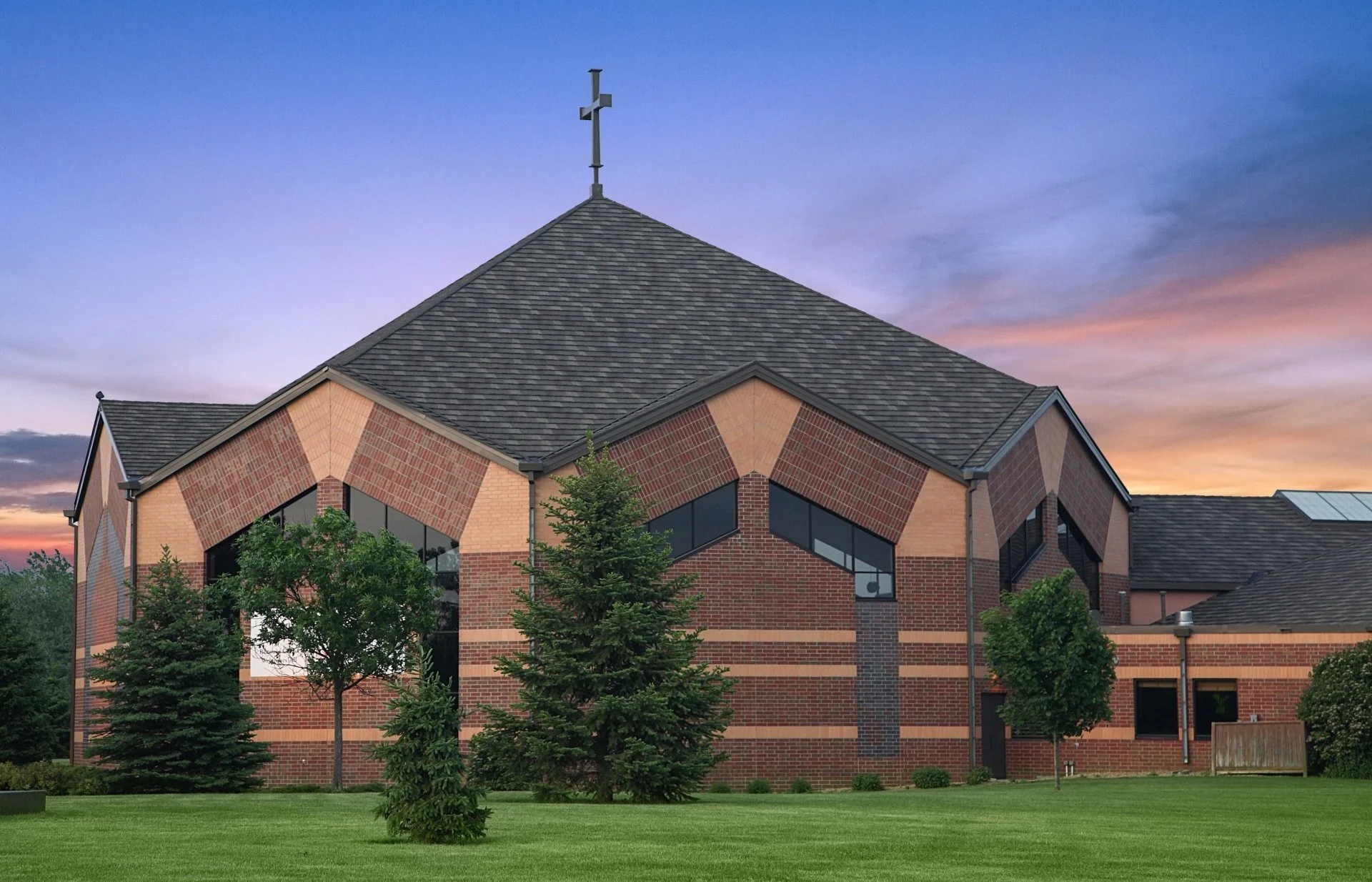
Growing Demand in Residential Construction
Residential construction remains one of the largest markets for roofing materials.
Modern homeowners and developers increasingly focus on both functionality and appearance.
A roof is no longer considered only a protective structure. It has become an important part of architectural design.
Interlocking roof tiles are widely used in:
- Villas
- Private houses
- Residential communities
- Luxury housing projects
Their ability to provide a premium appearance while maintaining practical performance makes them suitable for higher-value residential markets.
For distributors, this creates opportunities to position interlocking roof tiles as a premium roofing solution rather than a standard building material.
Applications in Commercial Buildings and Hospitality Projects
Commercial projects have higher requirements for roofing performance.
Hotels, resorts, and commercial developments need roofing systems that can maintain appearance and reliability over many years.
Common concerns include:
- Weather exposure
- Maintenance costs
- Building appearance
- Customer experience
Interlocking roof tiles are suitable for projects such as:
- Resort villas
- Hotels
- Tourism developments
- Commercial complexes
For importers, these projects often provide higher-value business opportunities because developers usually prioritize product quality and long-term performance.
Stone Coated Interlocking Roof Tiles: A High-Potential Export Product
Among different types of interlocking roofing systems, stone coated interlocking roof tiles have gained strong attention from international buyers.
This product combines a steel base structure with a protective stone-coated surface, creating a roofing solution that offers both durability and aesthetic flexibility.
The main advantages include:
Lightweight Construction
Compared with traditional clay or concrete roofing materials, stone coated roof tiles are significantly lighter.
This provides benefits in:
- Transportation efficiency
- Installation convenience
- Building structure requirements
For international distributors, lightweight roofing products can also reduce logistics challenges during export.
Attractive Architectural Appearance
One reason stone coated interlocking roof tiles are popular is their design flexibility.
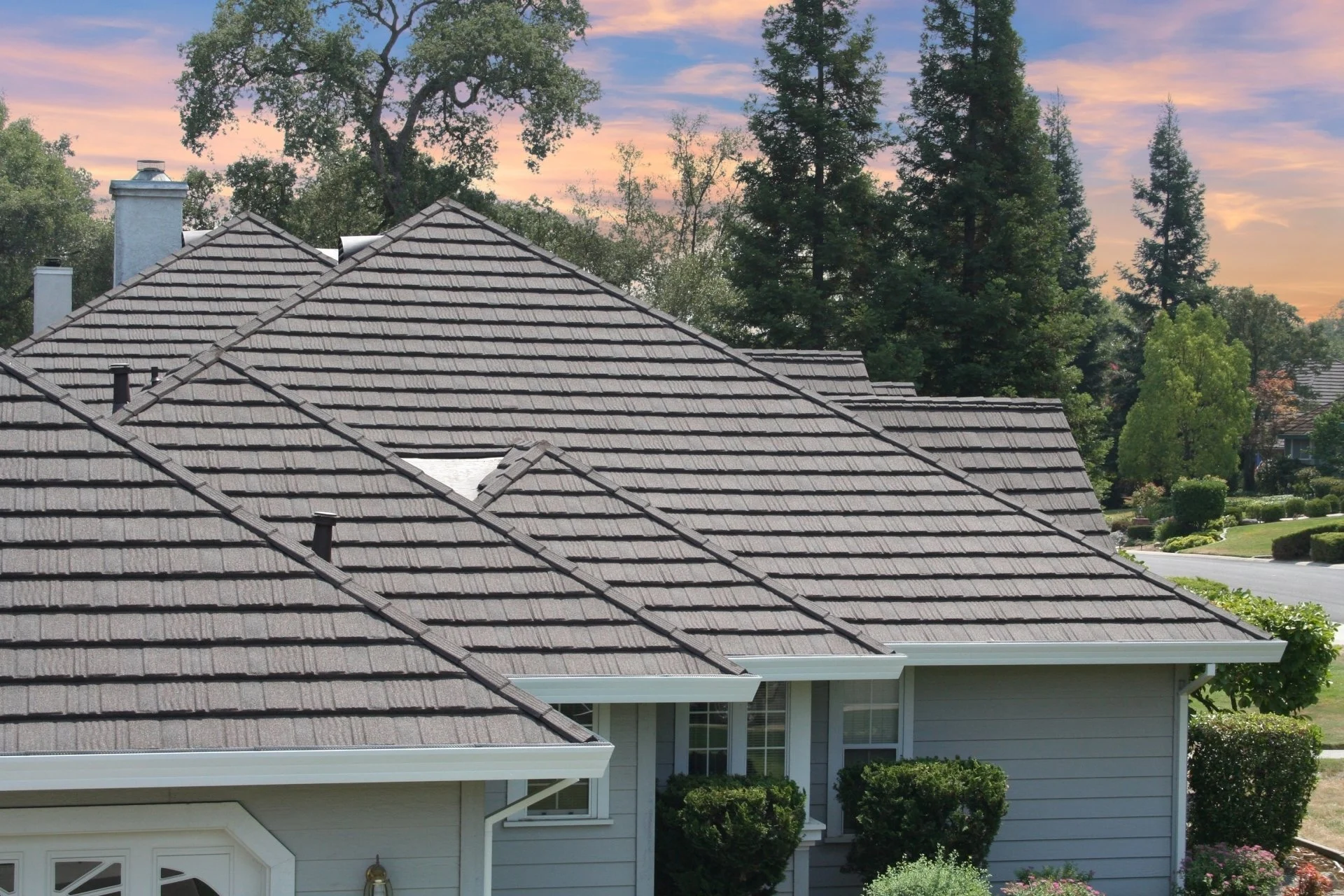
They can replicate different roofing styles, including:
- Traditional tiles
- Wooden shakes
- Modern roofing designs
This allows distributors to target different markets and customer preferences.
A luxury villa project may require an elegant appearance, while a commercial project may focus on durability and maintenance reduction.
Stone coated roofing systems can meet both requirements.
Weather Resistance for Different Markets
Roofing products for international markets must handle different climate conditions.
Depending on market requirements, roofing systems may need to withstand:
- Heavy rainfall
- Strong sunlight
- Temperature changes
- Wind exposure
This makes product quality and manufacturing standards extremely important.
Importers should not only evaluate appearance and price but also consider:
- Steel quality
- Coating technology
- Manufacturing process
- Quality inspection procedures
Key Factors to Consider When Choosing an Interlocking Roof Tiles Manufacturer
Choosing the right supplier is one of the most important decisions for roofing importers.
A reliable manufacturer can help distributors build long-term business growth.
However, an unreliable supplier may create problems such as:
- Inconsistent quality
- Delivery delays
- Customer complaints
- Increased after-sales costs
Before cooperation, professional buyers should evaluate several key factors.
Factory Capability
A professional roofing manufacturer should have:
- Dedicated production facilities
- Experienced workers
- Stable production capacity
- Quality control procedures
Importers should distinguish between:
A company that only sells roofing products
and
A manufacturer that controls the production process.
Direct cooperation with a factory usually provides advantages in:
- Product customization
- Communication efficiency
- Quality control
- Cost management
Manufacturing Experience
Roofing products require technical knowledge.
An experienced manufacturer understands:
- Material selection
- Production standards
- Market requirements
- Installation considerations
This experience helps solve problems faster and provides stronger support for international customers.

Quality Control System
For roofing products, consistency is essential.
Importers should check whether suppliers have quality control procedures covering:
- Raw materials
- Production process
- Finished products
- Packaging
A professional manufacturer should be able to provide clear product information and maintain stable quality across different orders.
OEM and Private Label Opportunities
Many international distributors want to develop their own roofing brands.
A professional interlocking roof tiles manufacturer should provide OEM and customization options.
Possible customization includes:
- Product colors
- Tile profiles
- Packaging design
- Brand labeling
Private label cooperation allows distributors to build stronger market recognition and create long-term competitive advantages.
For established building material companies, working with a factory that supports customization can be an important growth strategy.
Why Choose a Chinese Interlocking Roof Tiles Manufacturer?
China has become one of the world’s major manufacturing centers for construction materials.
For international buyers, working with Chinese manufacturers can provide advantages including:
- Mature supply chains
- Competitive production costs
- Strong manufacturing capability
- Customization flexibility
However, choosing the right factory is still essential.
Importers should focus on:
- Production capability
- Product quality
- Export experience
- Communication ability
A reliable Chinese manufacturer should act as a long-term business partner rather than simply a product supplier.
How to Import Interlocking Roof Tiles Successfully
Successful importing requires more than selecting a product.
Professional buyers should consider:
Product Specifications
Confirm:
- Tile model
- Material structure
- Dimensions
- Color options
- Packaging requirements
Different markets may require different specifications.
MOQ and Production Time
Before ordering, importers should understand:
- Minimum order quantity
- Production schedule
- Delivery time
Clear communication helps avoid delays and inventory problems.
Shipping and Packaging
Roofing materials must be carefully packaged for international transportation.
Important considerations include:
- Container loading efficiency
- Product protection
- Export documentation
An experienced manufacturer can help customers manage these processes more effectively.
Why ROOFGLORY Is a Reliable Interlocking Roof Tiles Manufacturing Partner
ROOFGLORY is a professional roofing manufacturer based in Linyi, Shandong, China.
We focus on providing reliable roofing solutions for global markets, supporting:
- Roofing importers
- Distributors
- Contractors
- Construction projects
With manufacturing experience and a focus on international cooperation, ROOFGLORY understands that B2B customers need more than products.
They need:
- Stable supply
- Consistent quality
- Technical support
- Flexible cooperation options
Whether you are expanding your roofing product portfolio or looking for a long-term manufacturing partner, ROOFGLORY provides professional support for international roofing businesses.
Learn more about our company and roofing solutions:
For distributors interested in interlocking roof tiles, OEM cooperation, or wholesale purchasing, you can contact our team to discuss your market requirements.
Conclusion: Building Long-Term Opportunities With Interlocking Roof Tiles
Interlocking roof tiles are becoming an increasingly important category in the global roofing industry.
Their combination of:
- Modern design
- Installation efficiency
- Durable performance
- Attractive appearance
makes them suitable for residential, commercial, and development projects worldwide.
For importers and distributors, this product category offers opportunities to expand roofing portfolios and meet growing customer demand for higher-value solutions.
However, success depends on choosing the right manufacturing partner.
A reliable supplier should provide not only quality products but also stable production, technical knowledge, and long-term cooperation.
By working with an experienced manufacturer like ROOFGLORY, global roofing businesses can build stronger product offerings and create sustainable market growth.
FAQ About Interlocking Roof Tiles
What are interlocking roof tiles?
Interlocking roof tiles are roofing materials designed with connected edges that allow tiles to overlap and lock together, creating a more stable roofing system.
Are interlocking roof tiles suitable for international markets?
Yes. Interlocking roof tiles are suitable for many markets because they provide durability, attractive appearance, and adaptability to different climates.
How long do interlocking roof tiles last?
The lifespan depends on material quality, coating technology, installation, and environmental conditions. High-quality stone coated interlocking roof tiles can provide decades of reliable performance when properly installed.
Are stone coated interlocking roof tiles better than traditional roofing materials?
Stone coated interlocking roof tiles offer advantages such as lightweight construction, design flexibility, and durability. They are often selected for projects requiring both appearance and long-term performance.
How do I choose a reliable interlocking roof tiles manufacturer?
Importers should evaluate factory capability, production experience, quality control systems, customization options, and export experience before choosing a supplier.
Can manufacturers provide OEM interlocking roof tiles?
Yes. Many professional manufacturers provide OEM services, including customized colors, profiles, packaging, and private labeling.
What information should I provide when requesting a quotation?
Importers should provide:
- Required quantity
- Target market
- Product style
- Color requirements
- Shipping destination
This helps manufacturers provide accurate recommendations and pricing.
Why should I buy interlocking roof tiles from China?
China has strong manufacturing capabilities and supply chain advantages. Working with the right Chinese factory can provide competitive pricing, customization options, and stable supply for international markets.