Introduction: Investing in Engineered Roofing Systems
For building professionals—developers, contractors, architects, and importers—interlocking roof tiles represent a significant advancement in roofing technology that delivers exceptional performance in extreme weather conditions. Unlike traditional roofing systems that rely primarily on gravity and exposed fasteners, interlocking tiles feature precision-engineered edges that lock together mechanically, creating a unified roof surface that performs like a single, continuous membrane. This design innovation provides superior wind resistance, enhanced weatherproofing, and remarkable durability—all while offering the aesthetic versatility to replicate traditional materials like wood shakes, slate, or clay tiles.
As we move through 2026, the demand for interlocking roof tile systems continues to grow, driven by increasing awareness of their performance advantages and long-term value. At ROOFGLORY, we manufacture interlocking roof tiles at our facility in Linyi, Shandong, China, combining advanced engineering with practical installation efficiency. Our Split Shake profile, available in multiple architectural colors, exemplifies the quality and performance that building professionals require for residential, commercial, and hospitality projects.
This 2026 cost guide provides building professionals with practical, actionable information for budgeting and specifying interlocking roof tile systems. We examine the factors that influence pricing, current market ranges, comparison with alternative materials, and strategies for maximizing value on every project.
For detailed product specifications and color options, visit our INTERLOCKING TILE page.
Understanding Interlocking Roof Tile Cost Components
Material Costs
The material cost of interlocking roof tiles is determined by several interconnected factors:
Steel Substrate Specifications: The quality and thickness of the steel substrate directly affect both cost and performance. ROOFGLORY interlocking tiles utilize galvanized aluminized steel sheet with 0.45mm thickness, providing exceptional strength, corrosion resistance, and dimensional stability. This specification represents a premium tier of metal roofing materials, balancing durability with workability.
Protective Coating Systems: The corrosion-resistant coatings—typically Galvalume steel or similar aluminum-zinc alloys—protect the substrate from rust and environmental degradation. These coating systems represent a significant portion of material cost but are essential for achieving the 50-year plus service life that makes interlocking tiles a sound long-term investment.
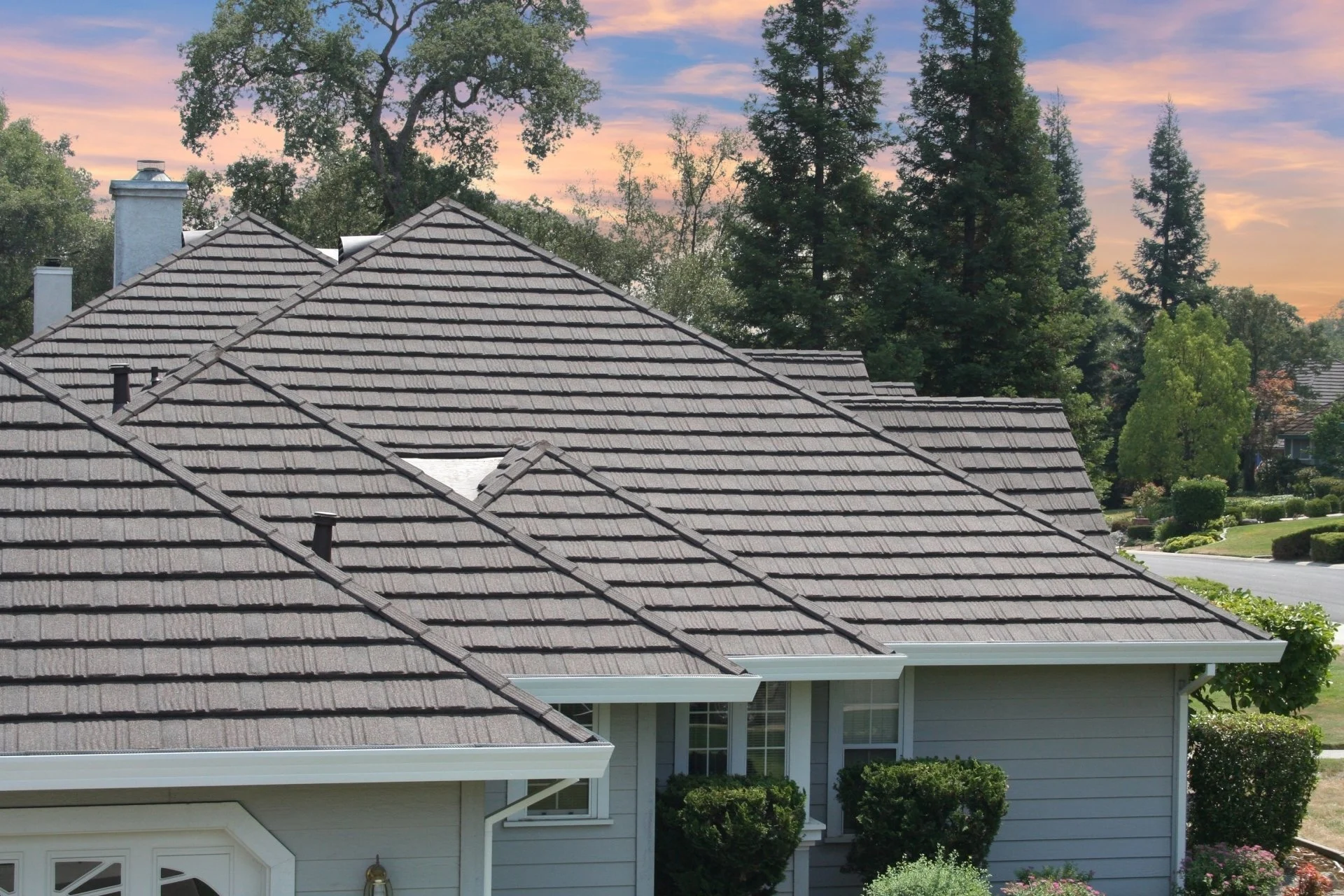
Profile Complexity: The Split Shake profile, which replicates the appearance of hand-split cedar shakes, requires complex forming operations to capture the rustic texture and dimensional shadow lines. This manufacturing complexity is reflected in the material cost compared to simpler profiles.
Color Selection: ROOFGLORY interlocking tiles are available in multiple architectural colors including Antique Chestnut, Midnight Eclipse, Pinnacle Grey, and Woodland Green. Standard colors carry baseline pricing, while custom color matching may add to material costs.
Installation Labor
Installation labor represents a substantial portion of total project cost for interlocking roofing systems. Factors affecting labor costs include:
Roof Geometry and Complexity: Interlocking tiles are suitable for a wide range of roof geometries. Simple gable roofs install more quickly and efficiently than complex designs with multiple hips, valleys, and penetrations.
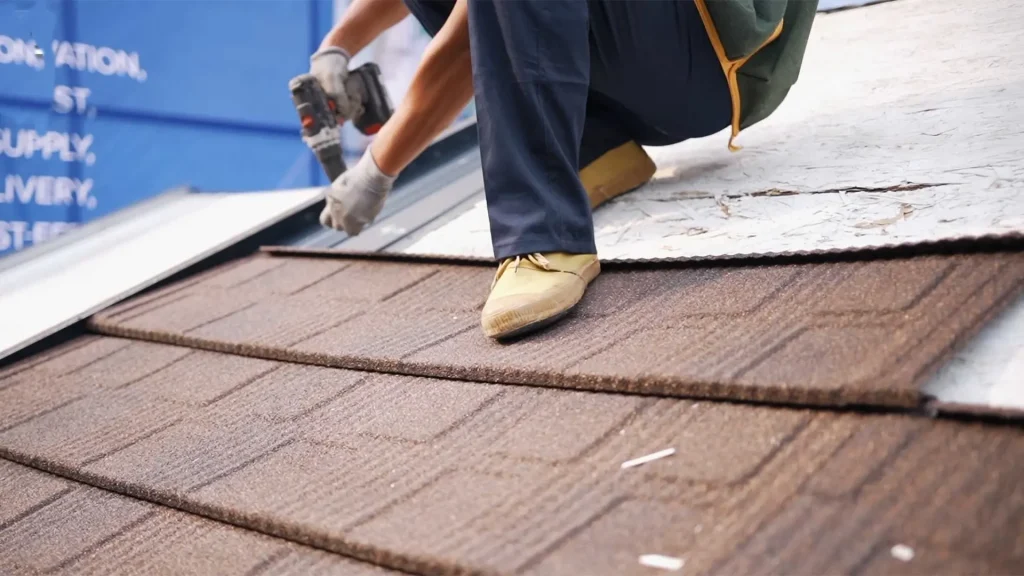
Installer Expertise: While interlocking systems are designed for efficient installation, experience with the specific interlocking mechanism is valuable. The precision-engineered edges lock together mechanically, guiding proper alignment and reducing installation variables.
Lightweight Construction Advantage: Interlocking tiles from ROOFGLORY weigh approximately 3.05 kg per piece. This lightweight characteristic simplifies handling, reduces structural requirements, and allows for faster installation compared to traditional concrete or clay tiles.
Regional Labor Market Conditions: Labor rates vary significantly by geographic region based on local market conditions, prevailing wages, and cost of living.
Underlayment and Accessory Systems
A complete interlocking roof system requires several additional components:
Synthetic Underlayment: High-quality underlayment protects the roof deck and provides secondary weather protection.
Batten Systems: Interlocking tiles require proper batten installation—the mechanical fixing to the batten is what gives the system its exceptional wind resistance.
Flashing and Trim Components: Ridge caps, gable trim, valley flashing, and penetration flashings must integrate properly with the interlocking system.
Fasteners and Locking Clips: The interlocking design reduces exposed fasteners, but proper fastening to battens remains essential.
Current Market Cost Ranges for 2026
Product Specifications
ROOFGLORY interlocking tiles have the following specifications:
| Parameter | Specification |
|---|---|
| Material | Galvanized Aluminized Steel Sheet |
| Thickness | 0.45mm |
| Tile Size | 1340 x 440mm |
| Install Size | 1275 x 375mm |
| Cover Area | 2.09 pieces per square meter |
| Weight | 3.05 kg per piece |
Material-Only Pricing Tiers
Interlocking roof tile material costs in 2026 vary based on order volume and profile selection:
Sample and Small Project Quantities: For orders under 500 square meters, per-unit pricing is highest due to minimum order premiums and less efficient packaging.
Mid-Volume Projects: Orders between 500 and 2,000 square meters benefit from improved per-unit pricing. This range is typical for custom homes and small commercial projects.
Full Container Loads: Orders of 5,000 to 7,000 square meters (typical 40-foot container capacity) access the most favorable pricing tiers, with per-unit costs reduced substantially compared to small orders.
Contractor and Distributor Pricing: High-volume, repeat purchasers may access specialized pricing tiers based on annual volume commitments.
Total Installed Cost Ranges for 2026
The complete installed cost of interlocking roofing varies significantly by project parameters, region, and specification. General benchmarks for professional installation in 2026:
Simple Residential Applications: Basic installations on straightforward roof geometries with standard profile and color selection.
Custom Residential Projects: Typical installations on custom homes with moderate complexity and premium color selection.
Complex Commercial and Hospitality: Installations on complex roof geometries with extensive detailing and premium finishes.
These ranges are indicative and vary substantially by region, specification, and market conditions.
Key Features That Drive Value
Superior Wind Resistance
The interlocking design creates a continuous, monolithic surface where each tile is mechanically fixed to the batten. The interlocking sides prevent wind from getting underneath and lifting them. This makes interlock tiles exceptionally resistant to high winds, cyclones, and hurricanes, often achieving the highest possible wind ratings including ASTM D3161 Class F for winds up to 110 mph or more.
For building professionals in hurricane-prone regions, this wind resistance translates directly to reduced risk, lower insurance premiums, and enhanced property protection—value that extends far beyond initial material costs.
Enhanced Weatherproofing
The precise interlocking joints create a tortuous path for water. For water to penetrate, it would have to travel upwards and sideways against gravity and overlapping barriers. This provides excellent protection against driven rain and water ingress, reducing the risk of leaks that can cause costly interior damage and mold remediation.
Lightweight Construction
Interlocking tiles from ROOFGLORY weigh approximately 3.05 kg per piece, dramatically lighter than traditional concrete or clay tiles. Benefits include:
Easier Installation: Tiles are lighter and often larger, covering more area faster, which reduces labor costs.
Structural Savings: The reduced load means existing roof structures may not need reinforcement, and new builds can use lighter (and cheaper) framing members.
Durability and Longevity
High-quality interlock tiles are engineered for durability. Metal tiles feature layers of corrosion-resistant coatings like Galvalume steel and durable stone-chip coatings. Benefits include:
Resistance: Highly resistant to fading, cracking, corrosion, and impact from hail.
Service Life: Lifespans of 50 years or more are common, often backed by long warranties covering 30 to 50 years.
Design Versatility
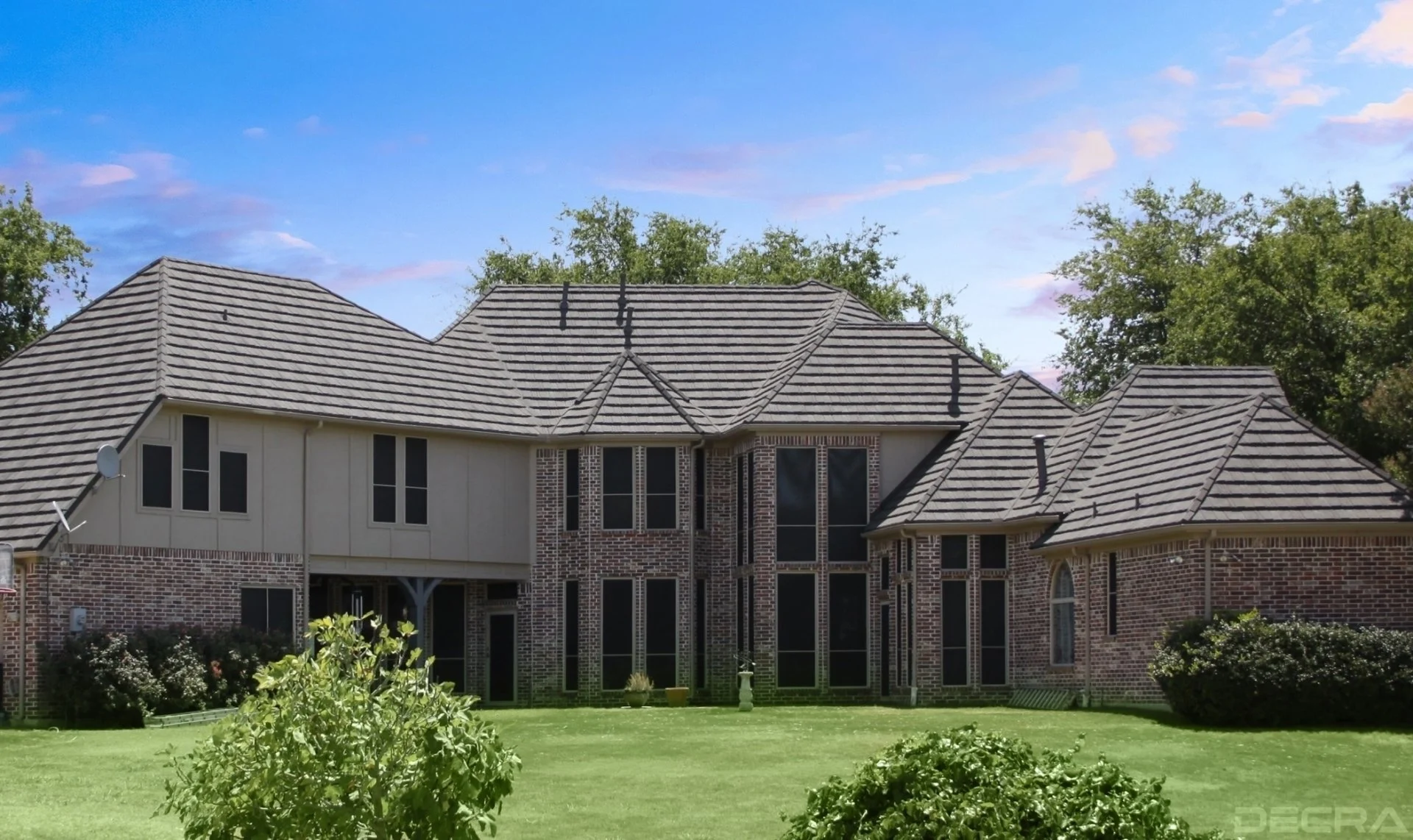
Advanced manufacturing allows interlocking tiles to mimic the appearance of traditional roofing materials with remarkable realism. The Split Shake profile replicates the appearance of hand-split cedar shakes, allowing building professionals to achieve a high-end aesthetic without the associated maintenance, weight, or cost of the natural material.
Low Maintenance
The durable, coated surfaces resist algae, moss, and fungal growth. The interlocking system is also very stable. Unlike wood or concrete tiles that may require periodic sealing or cleaning, interlock tile roofs typically only need occasional rinsing to maintain their appearance.
Energy Efficiency with Cool Roof Options
Many systems offer “cool roof” options. Light-colored coatings and special reflective pigments are designed to reflect solar radiant heat rather than absorb it. This can significantly reduce cooling costs in warm climates by lowering heat transfer into the attic space.
How Interlocking Tiles Compare to Alternative Materials
Versus Traditional Clay and Concrete Tiles
| Factor | Clay/Concrete Tile | Interlocking Steel Tile |
|---|---|---|
| Weight per square meter | 40-60 kg | ~6.5 kg (based on 3.05kg/pc) |
| Structural reinforcement | Typically required | Not required |
| Wind resistance | Moderate (gravity-dependent) | Up to 110+ mph with mechanical interlock |
| Breakage during installation | 5-10% typical | Minimal |
| Water resistance | Relies on underlayment | Interlocking joints create tortuous path |
| Maintenance | Periodic replacement of cracked tiles | Minimal; occasional rinsing |
| Color retention | Can fade over time | Advanced coatings resist fading |
Versus Asphalt Shingles
Asphalt shingles have lower initial material costs but significantly shorter service lives of 15 to 25 years. Over a 50-year building lifespan, interlocking tiles require one installation while asphalt shingles would require two to three replacements. When factoring in wind resistance, impact resistance, and maintenance requirements, interlocking tiles offer superior long-term value.
Versus Wood Shakes
Wood shakes offer natural aesthetics but require regular maintenance including periodic sealing or chemical treatments to prevent moss, algae, and decay. Wood is also combustible and vulnerable to insect damage. Interlocking tiles replicate the shake aesthetic while eliminating these concerns.
Factors That Increase Interlocking Roof Tile Cost in 2026
Complex Roof Geometry
Roofs with multiple hips, valleys, dormers, and steep pitches require more installation time and generate more material waste, increasing labor costs by 30 to 50 percent compared to simple gable roofs.
Premium Profile Selection
The Split Shake profile with its realistic wood-shake texture requires complex forming operations. This premium profile carries higher material costs than simpler profiles but delivers distinctive aesthetic value.
Remote or Difficult Access Locations
Projects in areas distant from material suppliers and qualified installers incur higher transportation costs for both materials and labor.
Cool Roof Options
Energy-efficient cool roof coatings with solar reflective pigments may carry a modest premium over standard finishes but deliver ongoing utility savings.
Maximizing Value: Beyond Initial Cost
Wind Resistance as Risk Reduction
In hurricane-prone and high-wind regions, the exceptional wind resistance of interlocking tiles reduces the risk of catastrophic roof failure and associated property damage. This risk reduction can translate to lower insurance premiums and greater peace of mind.
Longevity as Cost Reduction
A service life of 50 years or more means one installation serves for decades. Eliminating two to three replacement cycles required for conventional materials represents substantial capital savings over the building’s lifespan.
Maintenance Savings
No periodic chemical treatments, no pressure washing, no cracked tile replacements, no rot or insect damage. These reduced maintenance demands lower total cost of ownership.
Structural Savings
The lightweight construction of interlocking tiles—approximately 3.05 kg per piece—eliminates the need for structural reinforcement that heavy clay or concrete tiles require. These savings can be substantial for both new construction and reroofing projects.
Energy Efficiency Savings
Cool roof options with reflective pigments reduce cooling loads in warm climates, providing ongoing utility savings that accumulate over decades.
Getting Accurate Cost Information for 2026 Projects
Develop Detailed Specifications
Ensure quotes are based on identical parameters: steel gauge, coating specifications, profile (Split Shake), color, underlayment requirements, batten spacing, and accessory packages.
Request Physical Samples
The texture, color depth, and dimensional character of interlocking tiles are best evaluated through physical samples. Request samples to experience the quality before finalizing specifications.
Consult Qualified Installers
Obtain multiple installation quotes from contractors experienced with interlocking tile systems. Verify their familiarity with the specific interlocking mechanism and batten attachment requirements.
Consider Total System Cost
When comparing quotes, evaluate the complete system cost including underlayment, battens, flashings, and fasteners—not just the tile price.
Calculate Total Landed Cost
For international projects, calculate total landed cost including inland transportation, ocean freight, insurance, port fees, duties, taxes, and local delivery.
Conclusion: Investing in Engineered Performance
Interlocking roof tile cost, when evaluated as a lifecycle investment, represents exceptional value for building professionals seeking roofing systems that deliver superior performance in extreme weather conditions. The combination of precision-engineered interlocking design, lightweight construction, exceptional durability, and minimal maintenance creates a compelling economic case that justifies the investment.
At ROOFGLORY, our interlocking roof tiles are engineered to deliver this value—combining superior wind resistance, enhanced weatherproofing, and aesthetic versatility with practical installation efficiency. From our facility in Linyi, Shandong, China, we supply roofing solutions that protect buildings and enhance projects for decades to come.
For detailed 2026 pricing information, project-specific quotes, or to discuss how interlocking roofing can enhance your next project, contact the ROOFGLORY team.
Explore interlocking roofing solutions:
-
Interlocking Tile Products: View Split Shake specifications, color options (Antique Chestnut, Midnight Eclipse, Pinnacle Grey, Woodland Green), and technical details
-
Request a Quote: Submit your project specifications for a detailed cost analysis
-
Request Samples: Evaluate product quality, texture, and color accuracy firsthand
-
Wind Resistance Data: Review ASTM D3161 Class F performance specifications
-
Contact Our Team: Discuss your specific project requirements with our technical experts