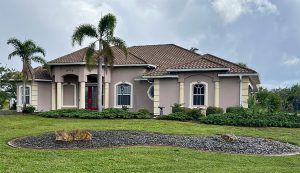
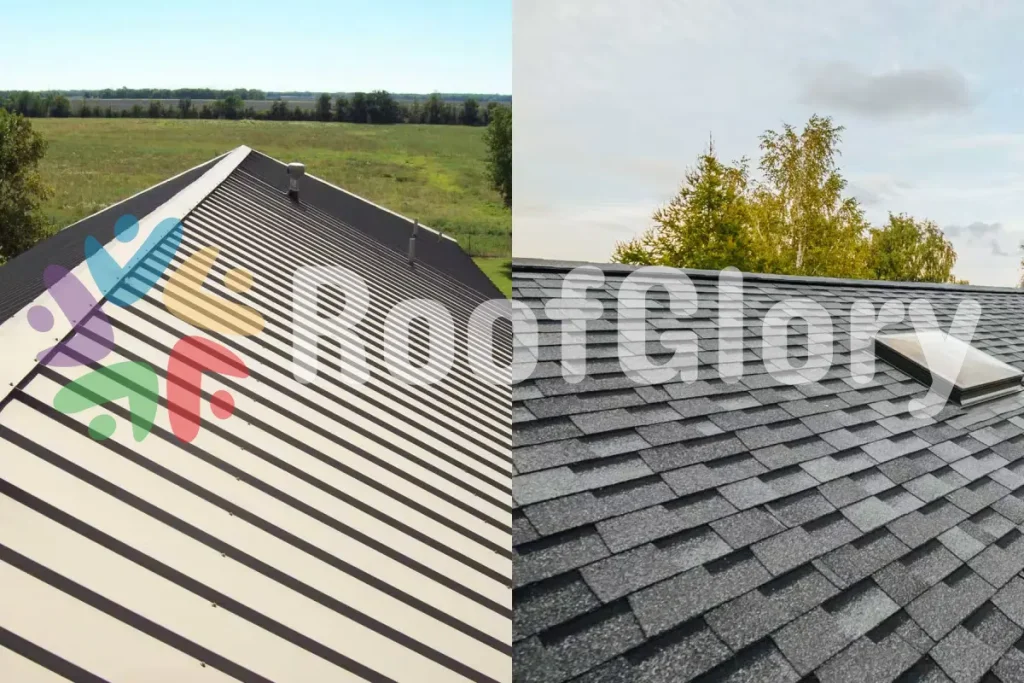
Choosing the right roofing material is a critical decision for homeowners, not only for aesthetics but also for long-term performance and cost efficiency. Interlocking roof tiles have become increasingly popular due to their durability, energy efficiency, and low maintenance requirements. But how do they compare with traditional roofing materials like asphalt shingles, clay tiles, or slate in terms of cost and value? In this guide, we’ll break down the initial investment, long-term savings, and overall return on investment to help homeowners make an informed decision.
1. Overview of Interlocking Roof Tiles vs. Traditional Roofing Materials
Interlocking Roof Tiles
-
Designed with a locking mechanism that ensures each tile fits securely with the next, providing a weather-tight seal.
-
Available in materials like metal, ceramic, and concrete.
-
Known for long lifespan, low maintenance, and energy efficiency.
-
Ideal for areas prone to wind, rain, or snow due to their secure interlocking design.
Traditional Roofing Materials
-
Asphalt Shingles: Affordable and widely used, but with a shorter lifespan (15–25 years) and frequent maintenance needs.
-
Clay Tiles: Durable and visually appealing, but heavier, often requiring reinforced structures, and higher installation costs.
-
Slate Tiles: Extremely durable and fire-resistant, but very expensive and labor-intensive to install.
Conclusion: Interlocking roof tiles combine the benefits of durability, low maintenance, and aesthetic flexibility, often outperforming traditional options in long-term value.
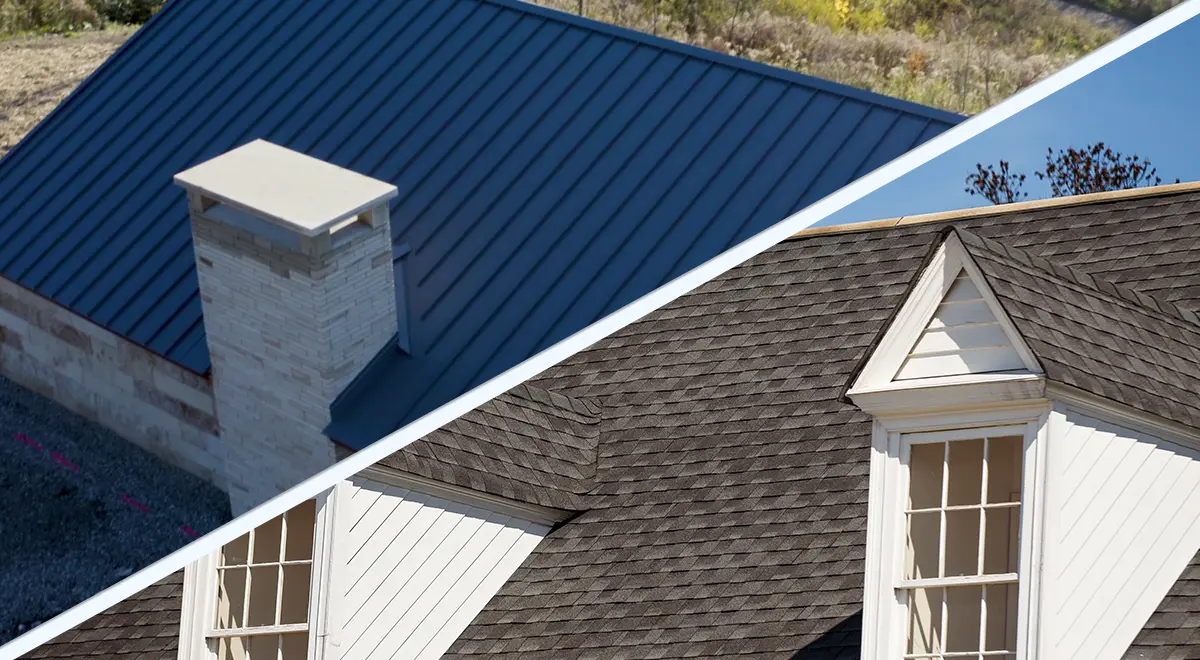
2. Upfront Costs: Comparing Installation Costs
The initial cost of roofing materials can vary significantly based on the material, installation complexity, and labor.
| Material | Approximate Material Cost | Installation Complexity | Notes |
|---|---|---|---|
| Interlocking Roof Tiles | Medium-High | Moderate | Installation is faster than clay/slate due to interlocking design |
| Asphalt Shingles | Low | Easy | Cheapest upfront cost, but shorter lifespan |
| Clay Tiles | High | High | Heavier, may require structural reinforcement |
| Slate Tiles | Very High | Very High | Extremely labor-intensive and heavy |
Conclusion: While interlocking roof tiles have a higher upfront cost than asphalt shingles, they are usually cheaper and easier to install than clay or slate tiles.
👉 Check RoofGlory’s Pricing for Interlocking Roof Tiles
3. Long-Term Value: Durability, Maintenance Costs, and Replacements
When evaluating roofing options, it’s essential to consider long-term value rather than just the initial investment.
Interlocking Roof Tiles
-
Lifespan: 50+ years, depending on material.
-
Maintenance: Minimal—resistant to wind, rain, and minor damage.
-
Replacement: Rarely needed, reducing long-term costs.
Traditional Materials
-
Asphalt Shingles: Need frequent replacement, 15–25 years lifespan.
-
Clay Tiles: Long-lasting but expensive to repair or replace if damaged.
-
Slate Tiles: Extremely durable but require specialized labor, increasing replacement costs.
Conclusion: Interlocking roof tiles offer a superior long-term return on investment due to their durability and low maintenance requirements.
4. Energy Savings and Cost Reduction with Interlocking Roof Tiles
Energy efficiency is another key factor influencing the overall cost-effectiveness of your roof.
-
Heat Reflection: Metal interlocking tiles can reflect solar heat, reducing cooling costs in the summer.
-
Thermal Insulation: Some interlocking tiles provide additional insulation, keeping homes warmer in winter.
-
Lower Energy Bills: Over time, these energy savings can offset the higher upfront cost compared to asphalt shingles.
Conclusion: Interlocking roof tiles not only protect your home but also contribute to energy savings, which adds to their long-term cost-effectiveness.
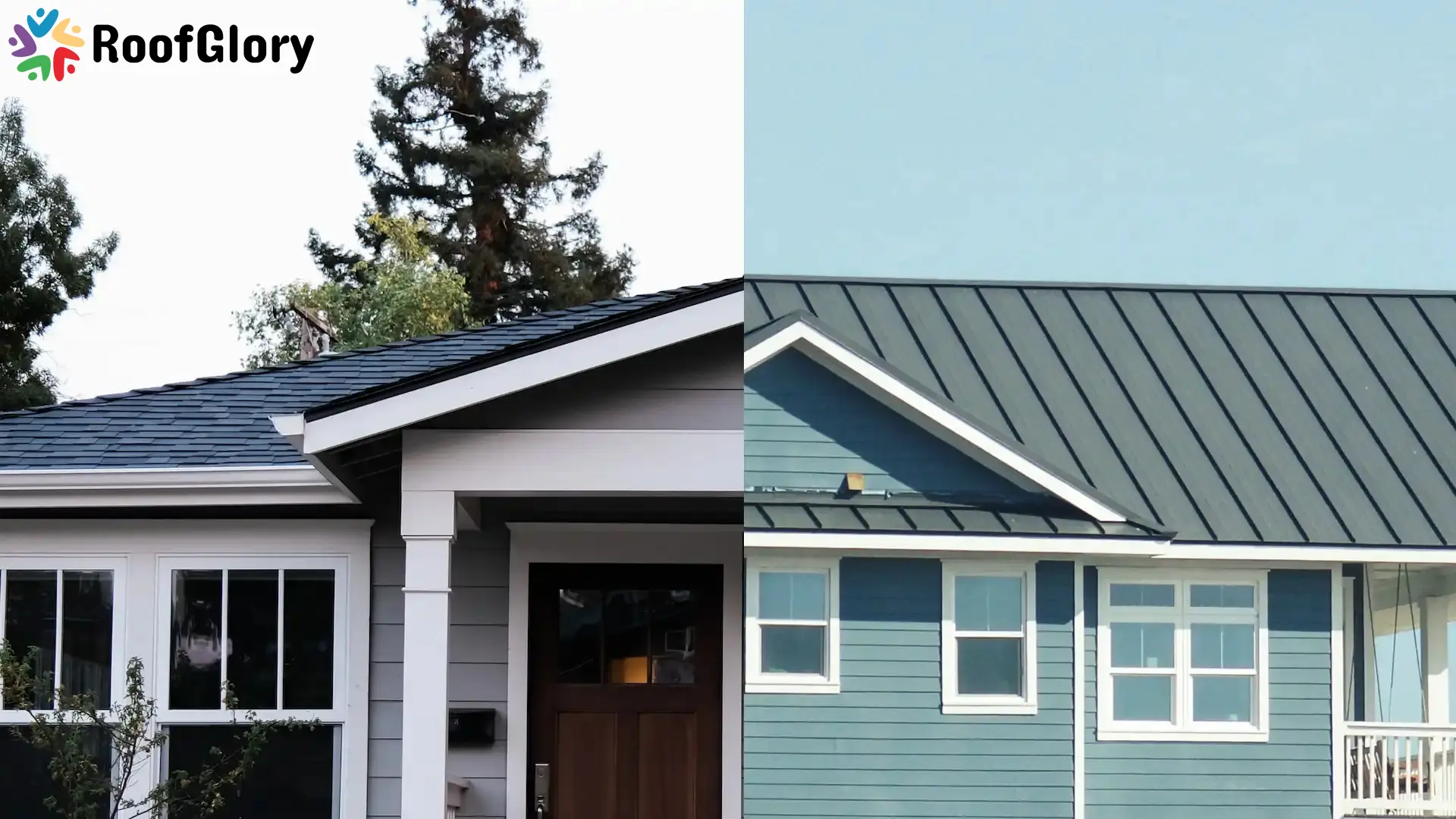
5. Which Materials Offer Better ROI Over Time?
When considering return on investment, interlocking roof tiles often outperform traditional options:
-
Asphalt Shingles: Low initial cost but frequent replacements lead to higher long-term expenses.
-
Clay Tiles: High initial cost with long lifespan but higher maintenance and structural requirements.
-
Slate Tiles: Extremely expensive upfront, with the need for specialized installation, making ROI slower.
-
Interlocking Roof Tiles: Moderate upfront cost, long lifespan, low maintenance, and energy savings make them the most cost-effective option over decades.
Conclusion: For homeowners seeking a balance between cost, durability, and efficiency, interlocking roof tiles offer the best long-term value.
👉 Request a Quote for RoofGlory’s Interlocking Roof Tiles
Conclusion
While the initial cost of interlocking roof tiles may be higher than traditional asphalt shingles, their durability, low maintenance, energy efficiency, and long lifespan make them a smart investment for homeowners looking for long-term value. Compared to clay or slate tiles, they are lighter, easier to install, and more cost-effective, while still providing superior protection and aesthetic appeal.
Choosing interlocking roof tiles is not just about protecting your home—it’s about making a financially wise decision that pays off over the decades.
FAQ
-
Are interlocking roof tiles more expensive upfront than asphalt shingles?
Yes, but the long-term savings on maintenance, replacement, and energy bills often offset the initial cost. -
How long do interlocking roof tiles last?
Interlocking roof tiles can last 50 years or more, depending on the material and installation quality. -
Do interlocking roof tiles save on energy costs?
Yes, they offer heat reflection and insulation benefits, reducing both cooling and heating expenses.