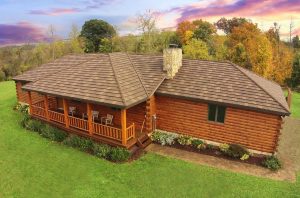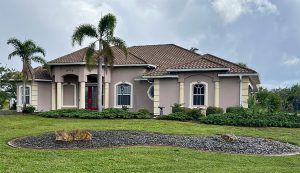
In modern commercial and industrial construction, roofing is not just about shelter; it is about durability, performance, aesthetics, and long-term value. Among the most advanced roofing solutions available today, interlocking roof tiles stand out as a premium option that blends functional strength with architectural versatility.
At ROOFGLORY, our factory in Linyi, Shandong, China, produces high-quality interlocking roof tiles designed for business clients seeking roofing solutions that are both cost-effective and long-lasting. This article will provide an in-depth understanding of interlocking roof tiles, their materials, design, benefits, installation processes, and their value proposition for commercial projects.
Understanding Interlocking Roof Tiles
Interlocking roof tiles are roofing elements engineered to fit securely together, creating a continuous, protective layer. Unlike traditional tiles, which may rely solely on gravity or nails, interlocking tiles have precision-engineered edges and grooves. Each tile “locks” into the adjacent tiles, forming a seamless and stable roofing system that provides superior weather resistance, durability, and performance.
Material Composition
Modern interlocking roof tiles are often manufactured using stone-coated metal, a combination that leverages the strength of steel with the aesthetic appeal of natural stone. The layers generally include:
- High-quality steel or aluminum core: Provides structural strength capable of withstanding high winds, heavy rain, and snow loads.
- Protective primer layer: Ensures adhesion of the coating and protects against corrosion.
- Stone granule coating: Adds visual appeal, UV protection, and additional weather resistance.
This composition allows interlocking roof tiles to combine long-term durability with design versatility, making them ideal for commercial buildings, industrial facilities, and high-end residential properties. Learn more about our premium tiles at ROOFGLORY.com.
The Evolution and Design of Interlocking Roof Tiles
Historically, roofing has evolved from simple clay tiles to complex modern systems designed for performance and longevity. Interlocking roof tiles emerged as a response to the need for stronger, more reliable roofs that could withstand extreme weather while maintaining a visually appealing finish.
Key Design Features
- Interlocking Mechanism: Ensures that tiles remain securely in place even under extreme conditions, reducing the risk of gaps and leaks.
- Overlap System: Overlapping tiles enhance waterproofing and prevent wind uplift.
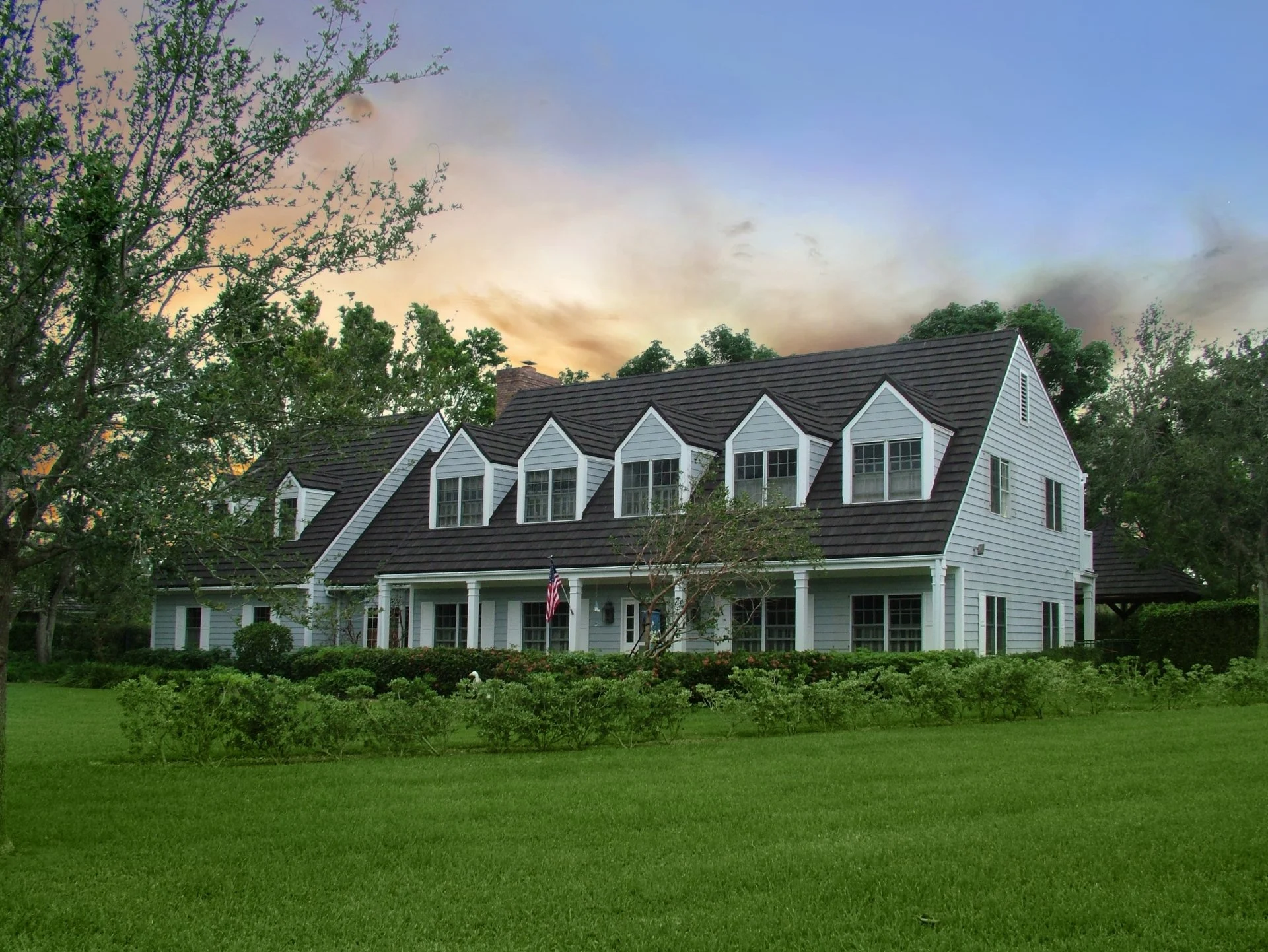
- Variety of Profiles: Tiles can mimic slate, clay, or wood shake, allowing designers to maintain a desired architectural style without compromising performance.
The interlocking design ensures that water runs off efficiently, debris accumulation is minimized, and the roof maintains structural integrity over decades.
Advantages of Interlocking Roof Tiles
Interlocking roof tiles offer a combination of functional and aesthetic benefits, making them particularly suitable for commercial and industrial applications.
Durability and Longevity
Unlike traditional roofing materials that may degrade under UV exposure or extreme weather, interlocking roof tiles:
- Resist corrosion, cracking, and physical impact
- Maintain structural stability in high winds and heavy rain
- Offer lifespans of 50–70 years, reducing the need for frequent replacements
The durability of these tiles translates into significant long-term cost savings for building owners and facility managers.
Weather and Fire Resistance
The interlocking design coupled with stone-coated steel materials provides excellent weather resistance:
- Wind: Interlocked edges prevent tiles from lifting in high winds
- Rain and Snow: Continuous surface prevents water infiltration
- Fire Resistance: Metal cores and stone coatings provide Class A fire ratings, enhancing building safety
Energy Efficiency
Stone-coated metal interlocking tiles also improve energy efficiency by reflecting solar radiation, which reduces heat absorption and minimizes cooling costs in commercial buildings. Proper underlayment and insulation further enhance thermal performance, contributing to reduced operational expenses.
Aesthetic Versatility
A key selling point of interlocking roof tiles is their visual appeal. Unlike plain asphalt shingles or traditional metal sheets, interlocking tiles offer customizable textures and colors:
- Slate-style: For a sophisticated, traditional look
- Clay-style: For Mediterranean or Spanish architectural designs
- Shake-style: For rustic, natural aesthetics
This versatility allows architects and builders to harmonize roofing with building design, creating a professional appearance that enhances property value.
Cost Considerations
Investing in interlocking roof tiles requires understanding both initial expenditure and long-term value.
Material and Installation Costs
- Materials: Typically USD 8–15 per square foot, depending on tile style and coating
- Installation: USD 6–12 per square foot, depending on roof complexity
For a commercial building of 2,500 sq. ft., total investment ranges between USD 35,000 and USD 60,000. While higher than traditional asphalt roofing, the long-term ROI is achieved through reduced maintenance, energy savings, and extended lifespan.
Installation Process
Installing interlocking roof tiles requires precision to ensure the locking system functions correctly:
- Preparation: Inspect the roof deck, remove old roofing if necessary
- Underlayment: Apply waterproof layers to prevent leaks
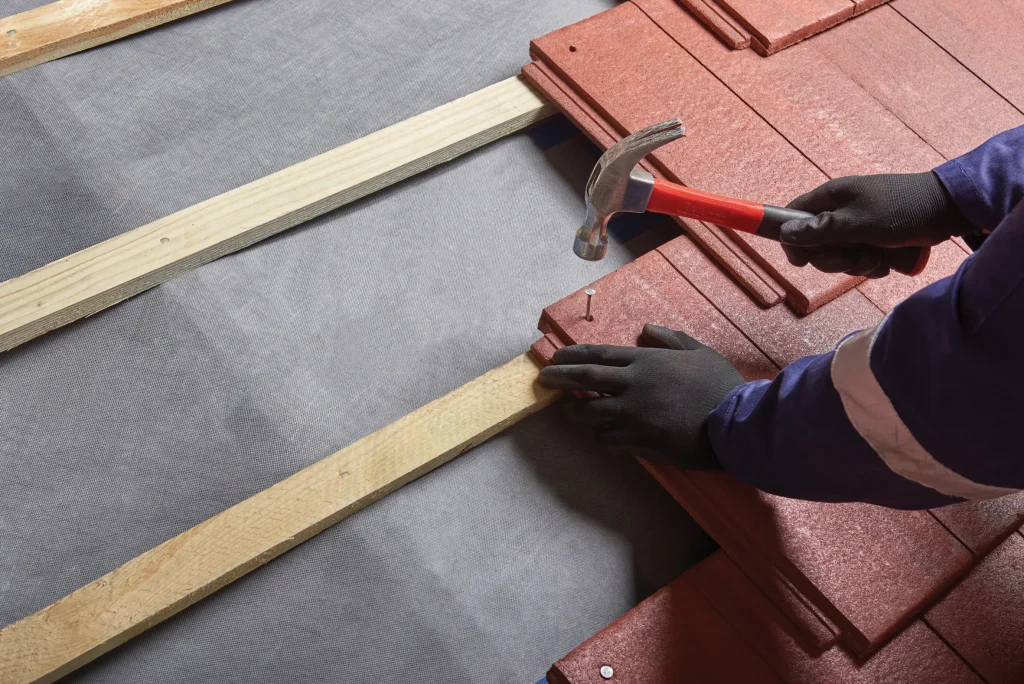
- Tile Installation: Align and interlock tiles sequentially for a seamless surface
- Flashing and Ridge Caps: Seal edges, valleys, and peaks
- Inspection: Ensure proper alignment and secure fastening
For a 2,500 sq. ft. commercial building, the process typically takes 7–10 days, depending on weather and roof complexity.

Real-World Applications
Commercial Offices
Interlocking tiles provide quiet, insulated environments ideal for office spaces. Their aesthetic versatility allows companies to maintain brand image while improving operational efficiency through energy savings.
Industrial Facilities
Durability and resistance to extreme weather make interlocking tiles perfect for warehouses and industrial facilities, protecting expensive equipment and inventory from water damage and environmental exposure.
Hospitality and Retail
Hotels and retail outlets benefit from interlocking tiles due to their design flexibility, fire resistance, and longevity, improving guest satisfaction and reducing long-term maintenance costs.
Comparison with Other Roofing Materials
| Material | Lifespan | Maintenance | Energy Efficiency | Cost | Notes |
|---|---|---|---|---|---|
| Asphalt Shingles | 15–25 yrs | Moderate | Low | Low | Common but short lifespan |
| Clay Tiles | 50–60 yrs | Low | Medium | High | Heavy and brittle |
| Slate | 75–100 yrs | Low | Medium | Very High | Expensive, installation-intensive |
| Interlocking Stone-Coated Tiles | 50–70 yrs | Low | High | Medium–High | Durable, versatile, energy-efficient |
Sustainability and Environmental Impact
Interlocking roof tiles are also environmentally friendly:
- Recyclable materials reduce landfill waste
- Long lifespan lowers the need for frequent replacements
- Energy efficiency reduces building carbon footprint
ROOFGLORY’s manufacturing process in Linyi, Shandong, China, emphasizes sustainability without compromising quality.
Conclusion
Interlocking roof tiles combine structural strength, aesthetic versatility, durability, and energy efficiency. They are an ideal roofing solution for commercial, industrial, and high-end residential buildings.
By choosing ROOFGLORY interlocking roof tiles, clients gain access to premium stone-coated steel tiles manufactured in China with strict quality standards, designed to maximize long-term value and minimize maintenance costs. Request your custom quote today at ROOFGLORY.com.
FAQ
1. How long do interlocking roof tiles last?
50–70 years, depending on installation and climate conditions.
2. Are they suitable for commercial and industrial buildings?
Yes, they are designed for high-performance, large-scale roofing projects.
3. How do interlocking tiles improve energy efficiency?
Stone-coated metal reflects solar heat and provides insulation, reducing cooling and heating costs.
4. What is the typical cost?
Materials: USD 8–15 per square foot; Installation: USD 6–12 per square foot.
5. Where can I get a quote?
Visit ROOFGLORY.com to request a consultation and pricing for your project.