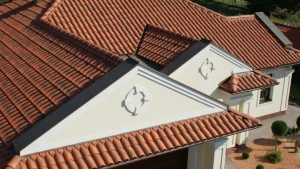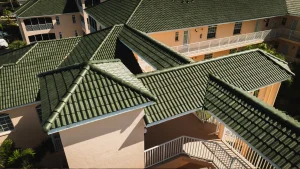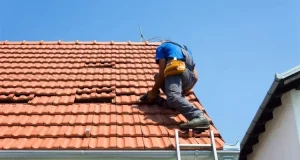

When it comes to choosing the best roofing system for your home, interlocking roof tiles have become a popular choice for homeowners and builders alike. Known for their durability, easy installation, and stylish appearance, interlocking roof tiles are a smart solution for those looking for a long-lasting and reliable roofing option. But what exactly are interlocking roof tiles, and why are they so commonly used in modern roofing systems? In this guide, we’ll explain everything you need to know about interlocking roof tiles, their design, materials, and advantages.
1. Introduction to Interlocking Roof Tiles: Basic Definition and How They Are Designed
What Are Interlocking Roof Tiles?
Interlocking roof tiles are roofing materials that are designed to fit together seamlessly, with each tile interlocking with the next to form a secure, weather-resistant roof. These tiles are engineered to be highly durable, often with a unique shape that helps them lock into place. Unlike traditional roofing tiles, which are simply laid on the roof with minimal attachment, interlocking tiles offer added security and protection against the elements.
-
Design: The design of interlocking roof tiles is usually crafted with interlocking ridges or grooves along the edges, allowing each tile to interlock with the one next to it. This design eliminates the need for nails or fasteners, providing a more secure and weather-tight installation.
-
Functionality: The interlocking system helps prevent tiles from shifting due to wind, rain, or snow, ensuring the roof remains intact and watertight for years.
2. History of Interlocking Tiles and Their Evolution in Roofing
The Beginnings of Interlocking Roof Tiles
Interlocking roof tiles have a long history, with their origins dating back to ancient civilizations. Early forms of interlocking tiles were often crafted from clay or stone, and used in areas where strong winds and heavy rain were common. These tiles were shaped with ridges or grooves to allow them to interlock securely, preventing them from slipping or being blown off during storms.
Over time, roofing technology advanced, and interlocking roof tiles evolved to include materials like ceramic, metal, and concrete, providing homeowners with more options in terms of design, durability, and cost.
Modern Interlocking Roof Tiles
Today, interlocking tiles are made from a variety of materials that are highly durable, lightweight, and energy-efficient. They are available in many colors and styles, giving homeowners plenty of design flexibility.

3. Materials Used in Interlocking Tiles (Ceramic, Metal, Concrete)
Interlocking roof tiles are available in several materials, each with its unique benefits. The most common materials used in interlocking roofing systems include:
Ceramic Tiles
-
Durability: Ceramic interlocking tiles are known for their longevity, often lasting 50 years or more.
-
Aesthetic Appeal: These tiles are often chosen for their classic look and are available in a variety of finishes and colors.
-
Weather Resistance: Ceramic tiles are fire-resistant and perform well in hot climates.
Metal Tiles
-
Lightweight: Metal interlocking tiles are lightweight compared to ceramic and concrete tiles, making them easier to install.
-
Weather Resistance: These tiles are highly resistant to wind, rain, and snow, making them ideal for areas that experience severe weather conditions.
-
Energy Efficiency: Metal tiles are known for their energy efficiency, often having reflective coatings that help reduce heat absorption and improve insulation.
Concrete Tiles
-
Cost-Effective: Concrete interlocking tiles are typically more affordable than ceramic and metal tiles, making them an attractive option for budget-conscious homeowners.
-
Strength: Concrete is a strong, durable material that can withstand harsh weather conditions.
-
Variety: Concrete tiles can be molded into a variety of shapes and colors, giving homeowners flexibility in their roofing design.
4. How They Interlock and Why It Benefits the Roof’s Integrity
The primary feature of interlocking roof tiles is their unique locking mechanism, which sets them apart from traditional roofing tiles. Each tile has edges designed to interlock with the next, creating a secure, continuous layer across the entire roof.
How Do Interlocking Tiles Work?
-
Overlapping Design: Each tile is designed to overlap the one below it, creating a barrier against rainwater and preventing it from penetrating through the roof.
-
Interlocking Mechanism: The tiles have specially designed ridges, notches, or grooves along their edges that slot into the adjacent tiles. This interlocking feature helps create a tight seal, which improves the roof’s resistance to wind and water.
Why This Benefits the Roof’s Integrity
-
Increased Stability: The interlocking system prevents tiles from shifting or coming loose during high winds or storms, ensuring that the roof remains intact over time.
-
Watertight Seal: By interlocking the tiles, the design ensures that there are no gaps or spaces for water to seep through, improving the roof’s water resistance.
-
Longer Lifespan: Since interlocking tiles are secured in place and more resistant to weather-related wear and tear, they tend to have a longer lifespan compared to traditional roofing systems.
5. Advantages of Interlocking Roof Tiles Over Traditional Roofing Systems
Interlocking roof tiles offer a number of advantages when compared to traditional roofing systems, such as asphalt shingles, slate, or wood shingles.
1. Durability and Longevity
-
Interlocking tiles, particularly those made from metal or concrete, have a much longer lifespan than traditional asphalt shingles, which typically last 15-20 years. Interlocking tiles can last 50 years or more.
2. Superior Weather Resistance
-
The interlocking design provides superior resistance to high winds, rain, and snow, making them ideal for regions that experience extreme weather conditions.
3. Lower Maintenance
-
Due to their durability and secure installation, interlocking roof tiles require less maintenance than traditional roofing materials, which often need repairs after exposure to severe weather.
4. Aesthetic Flexibility
-
Interlocking tiles come in a wide range of styles, colors, and finishes, allowing homeowners to choose a roof that complements the design of their home.
5. Energy Efficiency
-
Many interlocking tiles, especially those made from metal, offer energy-saving properties by reflecting heat and improving insulation, reducing the need for heating and cooling in the home.
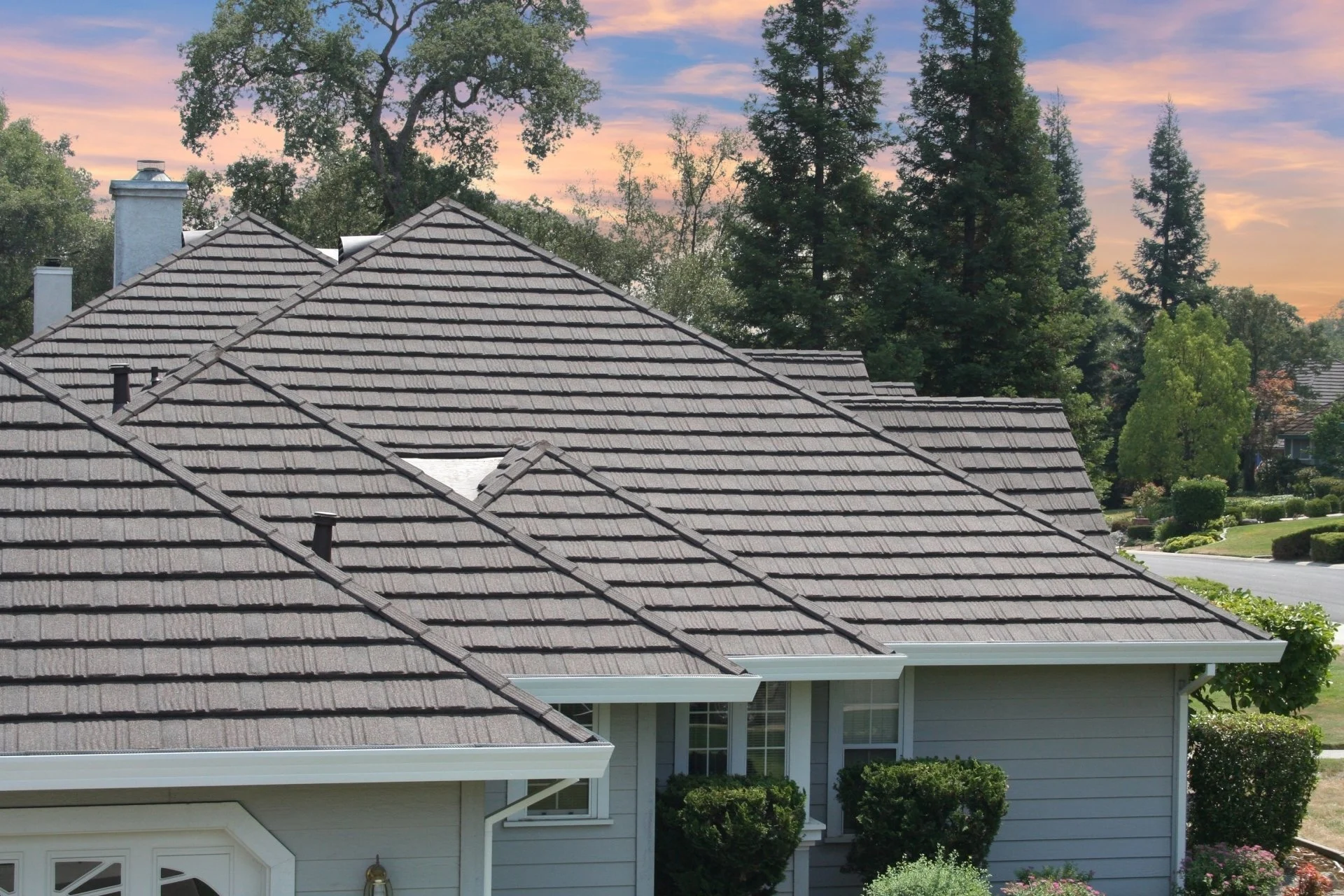
Conclusion: Why Choose Interlocking Roof Tiles?
Interlocking roof tiles are an excellent choice for homeowners who value durability, weather resistance, and long-term performance. With their ability to withstand extreme weather conditions and provide a secure, watertight seal, interlocking roof tiles are a superior alternative to traditional roofing materials. Whether you’re looking for aesthetic flexibility, energy efficiency, or long-term savings, interlocking tiles can provide all of these benefits.
If you’re interested in learning more about interlocking roof tiles or getting a quote for installation, visit RoofGlory’s product page today.
👉 Explore RoofGlory’s Interlocking Roof Tile Collection
FAQ
-
What is the lifespan of interlocking roof tiles?
Interlocking roof tiles can last 50 years or more, depending on the material and maintenance. -
Are interlocking roof tiles suitable for all weather conditions?
Yes, interlocking roof tiles provide superior weather resistance and are ideal for regions with high winds, rain, and snow. -
Can I install interlocking roof tiles myself?
While it is possible to install interlocking roof tiles as a DIY project, we recommend hiring a professional to ensure proper installation and optimal performance.