Choosing roofing for a villa involves more than finding a material that looks attractive. The roof needs to complement the architectural design, perform under local weather conditions, work with the building structure, and remain commercially practical throughout the project.
For developers, contractors, and importers, stone-coated steel roofing for villas is worth considering because it combines a formed steel base with a textured stone-coated surface, offering a range of traditional and contemporary roof styles. At ROOFGLORY, a roofing manufacturer based in Linyi, Shandong, China, we work with international B2B buyers evaluating roofing products for residential projects, villas, and developments.
However, stone-coated steel roofing is not automatically the right choice for every building. Its suitability depends on the product specification, roof design, climate, installation system, and project budget. Understanding these factors before ordering can help buyers make better decisions and avoid costly changes during construction.
1. Why Stone-Coated Steel Roofing Is Considered for Villa Projects
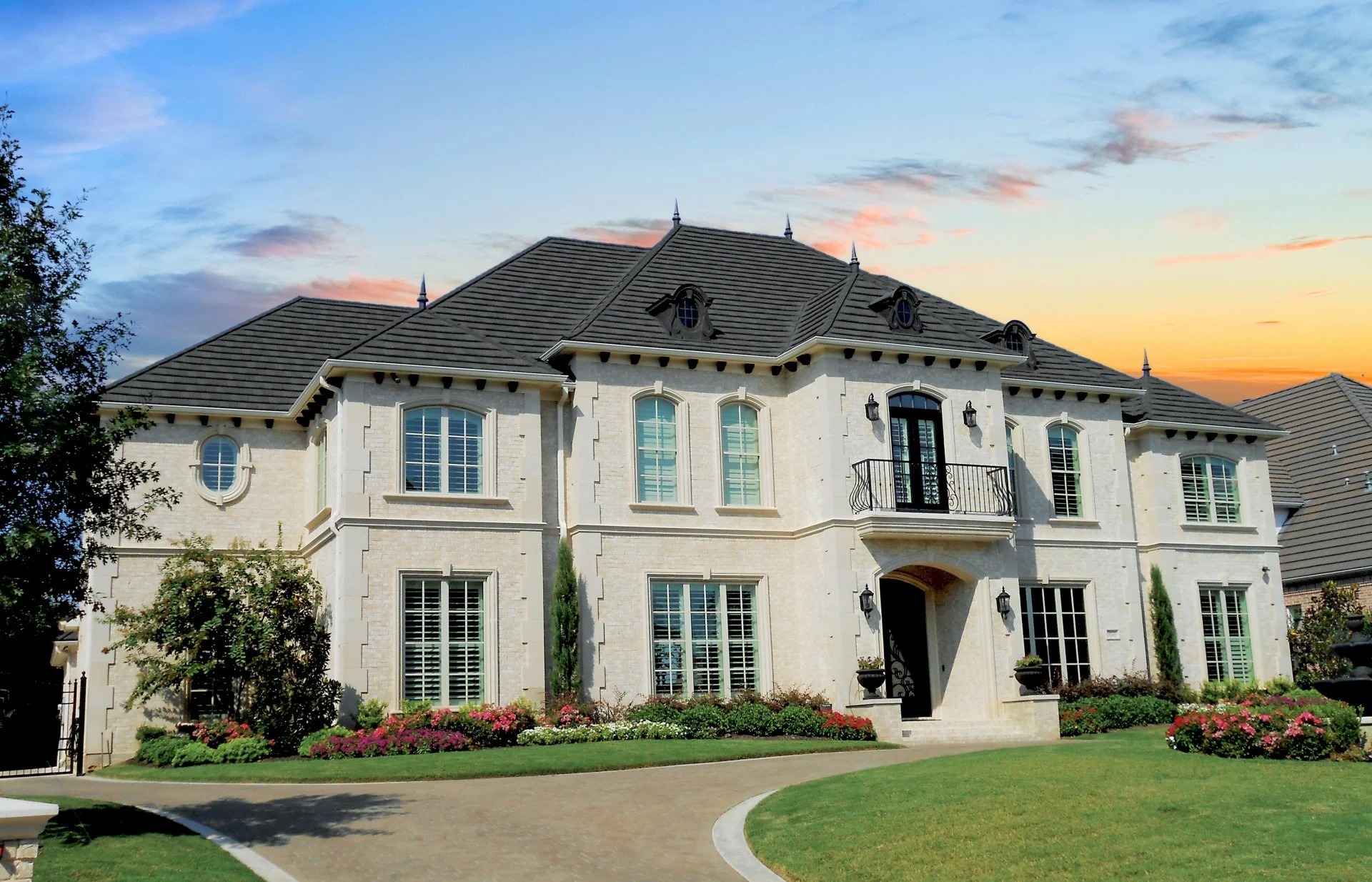
One reason developers consider stone-coated steel roofing is the flexibility it offers in architectural appearance. Villas can have very different design requirements, from contemporary residences with simple geometric lines to traditional homes with pitched roofs and textured finishes.
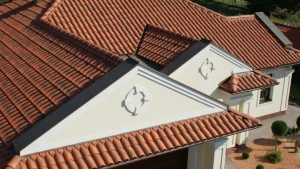
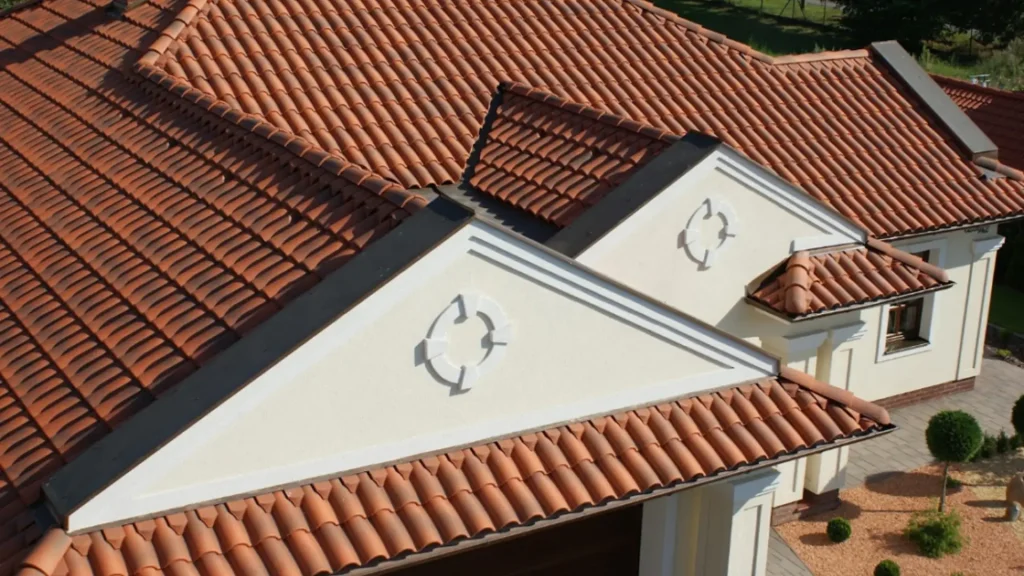
Stone-coated steel roofing can be manufactured in different profiles to create the appearance of traditional roof tiles, shingles, or wood shakes. This gives architects and developers more options when coordinating the roof with exterior walls, windows, doors, landscaping, and the overall character of a property.
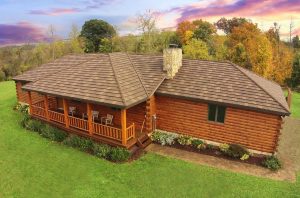
For example, a traditional-style villa may benefit from a tile-shaped profile, while a resort property surrounded by trees may suit a shake-style design. A residential development may prefer a consistent profile available in several colors to maintain a unified appearance across multiple buildings.
The steel base also makes weight an important consideration. Compared with many conventional concrete roofing systems, stone-coated steel products can be significantly lighter, although the actual difference depends on the products being compared. A lower roof dead load may be useful for certain new-build and renovation projects, but the structural engineer must still verify that the selected roofing system is appropriate for the building.
The textured surface is another distinguishing feature. Unlike conventional smooth metal panels, stone-coated products have a granular finish that creates visual depth and a more traditional roofing appearance. The color and texture can therefore be part of the architectural specification rather than merely a functional choice.
For B2B buyers, these characteristics create several potential applications:
- Luxury villas and detached residences
- Resort and holiday accommodation
- Residential developments
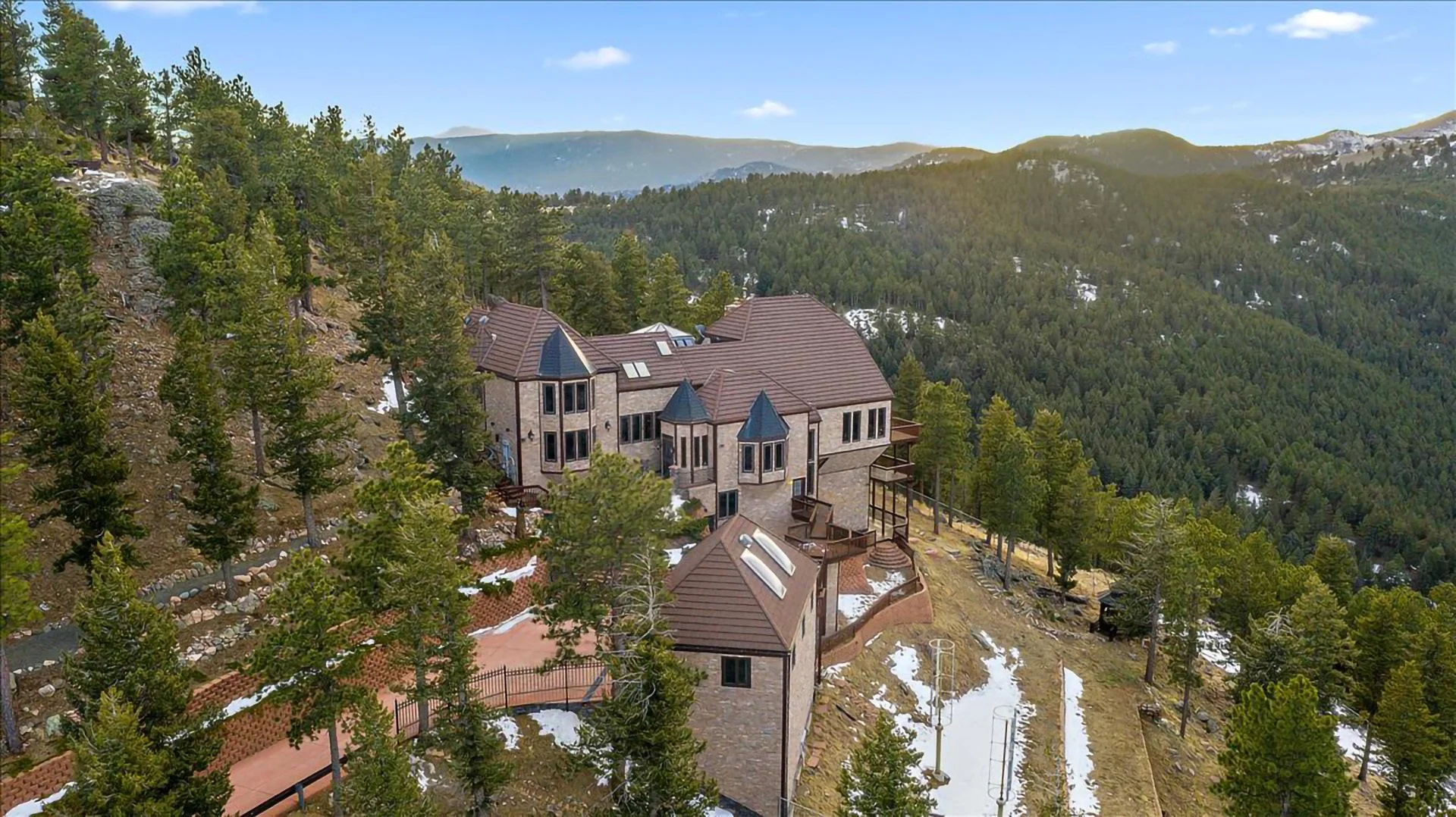
- Mountain or countryside properties
- Renovation projects seeking a traditional roof appearance
The key is to select a product that fits the actual project rather than assuming every stone-coated steel profile offers the same appearance or performance.
2. How to Choose the Right Profile, Color, and Specification
The appearance of stone-coated steel roofing depends heavily on its profile, color, and surface finish. These decisions should be made early enough to coordinate with the architectural design.
Match the roof profile to the building
Different profiles create different visual effects. Some resemble traditional curved roof tiles, while others produce a flatter shingle-like appearance or a deeper wood-shake effect.
For villas, the choice should reflect the roof geometry and the building’s architectural style. A heavily textured profile may suit a traditional residence, whereas a simpler design may work better with contemporary architecture.
The roof pitch also matters. Not every roofing profile is suitable for every roof slope, so buyers should confirm the manufacturer’s recommended pitch and installation conditions before specifying a product.
Complex roofs require additional attention. Hips, valleys, ridges, eaves, dormers, and roof penetrations all affect the finished appearance and the number of accessories required. A profile that looks attractive on a simple roof may need more detailed planning on a villa with multiple intersecting roof sections.
Choose color based on the whole exterior
Roof color should be evaluated alongside wall color, window frames, doors, surrounding vegetation, and the local architectural style.
Dark colors may create a strong contrast with light exterior walls, while lighter or earth-toned colors may complement natural materials and landscaped settings. However, color preference is only one factor. In hot climates, surface color can also influence solar heat absorption, so thermal performance should be considered as part of the complete roof assembly.
For larger developments, consistency between production batches is especially important. A slight color variation that is barely noticeable on a small sample can become obvious when several villas are roofed side by side.
Importers should request physical samples and confirm the approved color and finish before mass production. Photographs are useful for initial selection, but they cannot fully represent the actual texture, gloss, and color of a finished roofing product.
Understand the technical specification
A product name alone is not enough to establish quality. Buyers should confirm the steel substrate, material thickness, protective coating, surface finish, tile dimensions, effective coverage, weight, and available technical documentation.
The stone-coated surface is one part of the product construction, but the underlying steel and protective layers also influence performance. Different manufacturers may use different material specifications even when their products look similar.
When comparing quotations, request the same information from each supplier. This makes it easier to determine whether a lower price reflects a genuine commercial advantage or a difference in the product being supplied.
3. Performance in Rain, Heat, Wind, and Coastal Environments
A villa roofing system must be selected for the environment in which it will be installed. Stone-coated steel roofing can be suitable for a range of climates, but performance depends on the exact product and the way the complete roof is designed and installed.
Heavy rainfall and waterproofing
In regions with intense rainfall, roof pitch, tile overlap, underlayment, flashing, valleys, and drainage all contribute to water management.
Stone-coated steel tiles should be installed according to the manufacturer’s instructions. The roof must also be detailed correctly around chimneys, skylights, pipes, ridges, and other penetrations. These transitions can become weak points if they are not designed and installed properly.
Buyers should therefore ask for installation instructions and information about the recommended roof pitch. They should also confirm which accessories are available and how the manufacturer recommends completing the roof edges and intersections.
The roofing tiles alone should not be treated as a guarantee against leakage.
Heat and sunlight
Villas in hot climates may experience substantial solar exposure. The roof’s contribution to indoor comfort depends on more than the tile material or surface color.
Insulation, roof ventilation, air gaps, ceiling construction, building orientation, and the properties of the roof finish all influence thermal performance. Developers should consider the complete roof assembly when planning for energy efficiency and indoor comfort.
Where thermal performance is a major project requirement, request relevant product data and work with the project designer to evaluate the proposed assembly rather than relying on broad claims about a roofing material.
Wind and severe weather
Wind resistance depends on the tile profile, fastening method, roof geometry, edge details, and connections to the supporting structure. A lightweight roofing system requires particular attention to its fixing arrangement in regions exposed to strong winds.
For projects in cyclone-, typhoon-, or hurricane-prone areas, local building regulations and engineering requirements should determine the specification. Buyers should ask the manufacturer for the recommended fastening method and any available test documentation relevant to the intended application.
Coastal exposure and corrosion
Coastal villas face an additional challenge because salt-laden air can accelerate corrosion of exposed metal components. Buyers should examine the protective coating system and consider the compatibility of fasteners, flashings, and accessories.
The entire roofing system matters. A suitable main tile can still be undermined by inappropriate fasteners or poorly protected components.
For coastal projects, confirm the manufacturer’s recommendations for the relevant exposure conditions and establish a realistic inspection and maintenance plan.
4. Installation, Roof Design, and Long-Term Maintenance
Stone-coated steel roofing should be evaluated as a complete system rather than as individual tiles. This becomes particularly important on villas, where roof geometry can be more complicated than on simple residential buildings.
A roof with multiple pitches, hips, valleys, dormers, and penetrations requires careful planning. The main tiles need to work with ridge components, hip components, valley details, flashings, eave finishes, and fasteners. The quantity of these accessories can affect both the installation process and the overall project cost.
Before ordering, builders should provide the manufacturer with roof drawings or sufficiently detailed dimensions whenever possible. This helps the supplier understand the project layout and identify the information needed to calculate material quantities. The final quantity should account for effective coverage, roof geometry, cutting, and the project’s agreed allowance for waste.
Installation labor should also be considered realistically. A lighter roofing product may simplify handling, but it does not automatically guarantee faster installation. Productivity depends on the roof design, installer experience, fixing method, site access, weather, and availability of accessories.
For projects using an unfamiliar roofing system, a sample installation or pilot section can help the contractor understand the product before it is used across an entire development.
Maintenance requirements depend on the product specification and local environment. Periodic inspection should look for damaged tiles, loose fasteners, blocked drainage, coating damage, and problems around flashings or penetrations. In coastal or humid environments, inspection frequency may need to reflect the increased exposure of the roofing system.
For developers, the practical objective is not to assume that a roof will never need maintenance. It is to select a suitable system, install it correctly, and establish a reasonable plan for inspection and repair.
5. What Importers and Developers Should Check Before Ordering
For international B2B buyers, product selection is only the beginning. The supplier must also be able to provide consistent specifications, suitable packaging, clear commercial terms, and dependable production.
One of the most important steps is to compare products using effective coverage per square meter, not simply price per tile. Two profiles may have different dimensions and overlap requirements, meaning the same number of tiles can cover different roof areas.
A useful quotation request should include:
| Item | Information to Confirm |
|---|---|
| Product | Profile, intended application, and appearance |
| Material | Steel substrate and thickness specification |
| Finish | Coating system, surface finish, and color |
| Dimensions | Tile size and effective coverage |
| Weight | Weight per tile and approximate weight per m² |
| Installation | Roof pitch, fastening method, and instructions |
| Accessories | Ridge, hip, valley, flashing, eave components, and fasteners |
| Quality control | Dimensional and finish consistency procedures |
| Samples | Availability and approval process |
| Production | MOQ, lead time, and repeat-order consistency |
| Packaging | Package dimensions, gross weight, and protection method |
| Shipping | Container loading plan and agreed shipping terms |
For imported roofing, the factory price does not represent the final cost at the destination. Buyers should include packaging, inland transport, ocean freight, insurance, import duties and taxes where applicable, port charges, and local delivery.
The cost of accessories and installation should be evaluated separately or included in the project estimate. This creates a more realistic comparison between suppliers and helps prevent a low initial quotation from becoming an expensive order.
Packaging deserves particular attention. Stone-coated steel tiles can be affected by scratching, edge deformation, or damage during handling and transportation. Ask how the products are packed, how movement is controlled during shipping, and how the supplier calculates container loading.
Finally, confirm quality expectations before production begins. For a multi-villa development, approved samples, written specifications, and clear color requirements can help reduce disputes and maintain a consistent appearance across different buildings and production batches.
6. How ROOFGLORY Supports Villa Roofing Projects
ROOFGLORY is a roofing manufacturer based in Linyi, Shandong, China, serving international B2B customers. For villa developments and residential roofing projects, the discussion should begin with the intended application, architectural style, climate, and procurement requirements.
Different projects may call for different roofing profiles. A developer may prefer a traditional tile appearance, while another may be looking for a shingle-style or cedar-shake-inspired roof. The correct choice depends on the building design and the technical requirements, not simply on which product looks best in a catalog.
For buyers exploring wood-inspired roofing, ROOFGLORY’s metal shake roofing range provides a starting point for comparing shake-style metal roofing options.
Before requesting a quotation, importers and developers can prepare four key pieces of information:
- Destination market and project location, including relevant climate or coastal exposure.
- Architectural style and roof design, ideally with drawings or photographs.
- Approximate roof area and required quantity, including the number of villas if applicable.
- Preferred profile, color, and technical requirements, if these have already been established.
With these details, the supplier can better understand the application and discuss the appropriate product specifications, samples, accessories, packaging, production requirements, and export arrangements.
Final Thoughts
Stone-coated steel roofing can be a useful option for villa projects that require a textured, traditional-looking roof combined with a formed steel roofing system. Its suitability, however, depends on much more than appearance.
The most important decisions involve matching the profile to the architecture, confirming the material and coating specifications, accounting for local weather conditions, planning the complete installation system, and calculating the true landed cost.
For developers, consistency across the project is just as important as the performance of an individual tile. For importers and distributors, the ability to compare specifications, inspect samples, and secure repeatable production can determine whether a product is commercially viable.
If you are sourcing stone-coated steel roofing for villas or residential developments, contact ROOFGLORY with your target market, roof design, approximate area, and estimated quantity. These details provide a practical starting point for evaluating a suitable roofing specification and planning an order.