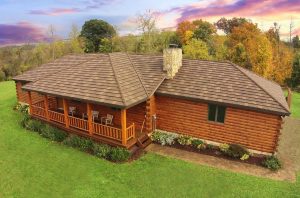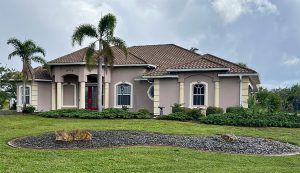
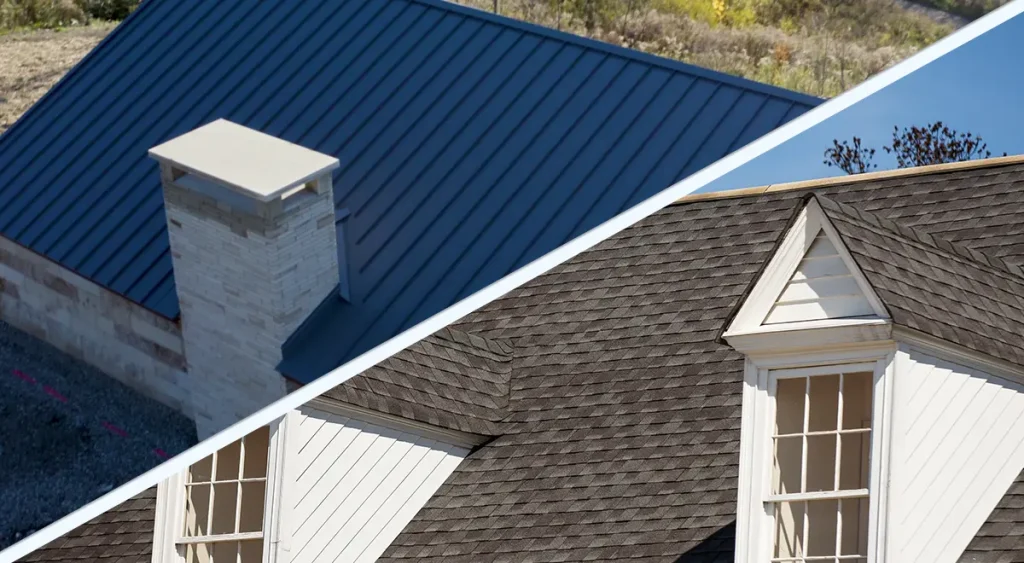
Choosing a roofing system is rarely just about the initial purchase price. For developers, contractors, distributors, and property owners, the real question is how a roof will perform over decades of service. While asphalt shingles remain one of the most widely used roofing materials in North America, stone-coated roofing has gained significant popularity due to its durability, aesthetic versatility, and long lifespan.
When comparing a stone coated roof vs asphalt shingles, many buyers initially focus on cost. However, roofing is a long-term investment, and the true value of a roofing system becomes clear only after considering maintenance requirements, replacement cycles, weather resistance, energy performance, and overall lifecycle cost.
At ROOFGLORY, we manufacture premium stone-coated steel roofing systems in Linyi, Shandong, China, supplying distributors, contractors, and project developers worldwide. In this guide, we will examine how stone-coated roofing compares with asphalt shingles from every important perspective, helping B2B buyers and project owners make informed decisions.
Understanding the Two Roofing Systems
Although both systems are designed to protect a building from the elements, they are fundamentally different products.
Asphalt shingles are manufactured using a fiberglass or organic base mat coated with asphalt and mineral granules. They are popular primarily because of their low upfront cost and widespread availability.
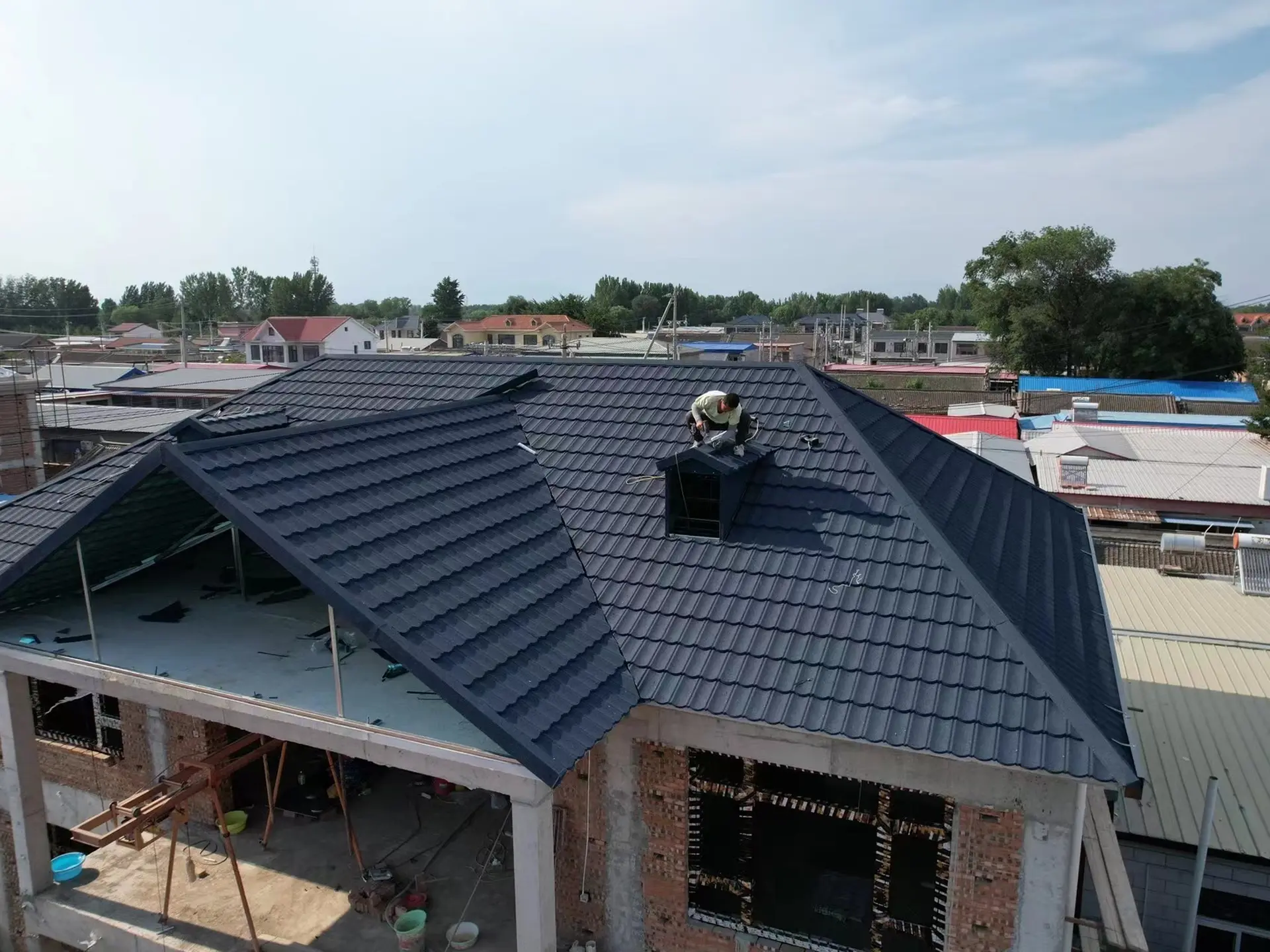
Stone-coated roofing, by contrast, uses an aluminum-zinc coated steel base covered with natural stone granules and protective acrylic layers. The result is a roofing system that combines the structural strength of steel with the appearance of traditional roofing materials.
Because the materials are different, their performance characteristics differ dramatically.
Initial Cost: Why Asphalt Shingles Appear More Affordable
One reason asphalt shingles dominate the residential roofing market is their relatively low purchase price.
In most markets, asphalt shingles cost significantly less than stone-coated roofing materials.
For a contractor bidding on a budget-sensitive project, asphalt shingles can appear to be the obvious choice.
However, roofing should never be evaluated based solely on installation cost.
The real comparison should include:
- Expected lifespan
- Maintenance expenses
- Repair frequency
- Energy consumption
- Replacement cycles
When these factors are included, the economic picture changes substantially.
A roof that costs less today but requires complete replacement twice over the next fifty years may ultimately be more expensive than a premium roofing system installed once.
Lifespan Comparison: The Biggest Difference
Perhaps the most significant difference between the two systems is longevity.
A standard asphalt shingle roof generally lasts between 15 and 30 years depending on climate conditions, installation quality, and maintenance practices.
In regions with:
- Extreme UV exposure
- Hurricanes
- Heavy snow
- Frequent temperature fluctuations
the lifespan may be considerably shorter.
Stone-coated roofing typically lasts 40 to 70 years.
High-quality stone-coated steel roofing systems can often outlast the building’s first ownership cycle without requiring complete replacement.
For commercial property owners, this can dramatically reduce long-term capital expenditure.
A developer installing asphalt shingles today may need to budget for at least one major reroofing project during the building’s lifecycle.
A stone-coated roof may eliminate that expense entirely.
Weather Resistance: Where Stone-Coated Roofing Excels
Roofs face continuous exposure to environmental stress.
Rain, snow, hail, UV radiation, wind, and temperature fluctuations all contribute to roof deterioration.
This is where stone-coated roofing demonstrates a significant advantage.
The steel core provides structural strength while the stone granules add additional protection against weathering.
Stone-coated roofs are commonly specified for:
- Coastal developments
- Mountain resorts
- Hurricane-prone regions
- High-rainfall areas
because they maintain structural integrity under severe conditions.
Asphalt shingles, while effective under normal circumstances, are more vulnerable to:
- Wind uplift
- Granule loss
- Thermal cracking
- Curling
- Aging from UV exposure
Over time, these issues can compromise waterproof performance.
Wind Resistance and Storm Performance
Extreme weather events are becoming increasingly common.
For property owners in hurricane zones, roofing selection has become a risk-management decision.
Stone-coated roofing systems often achieve wind ratings exceeding 120 mph and in some cases significantly higher depending on installation methods.
The interlocking design creates a secure roofing surface that resists uplift forces.
By contrast, asphalt shingles rely heavily on adhesive strips and overlapping installation.
During severe storms, shingles can detach, exposing the roof deck and creating opportunities for water intrusion.
For insurance-conscious developers and commercial building owners, superior wind performance often justifies the higher investment.

Fire Resistance and Building Safety
Fire safety requirements continue to become stricter in many markets.
Stone-coated roofing uses non-combustible steel as its structural base.
As a result, many systems achieve high fire-resistance ratings.
This makes them particularly attractive for:
- Hotels
- Resorts
- Schools
- Public buildings
- Residential communities in wildfire-prone regions
Although modern asphalt shingles can also achieve fire ratings, their asphalt content remains combustible.
For projects where fire protection is a priority, stone-coated roofing generally offers greater peace of mind.
Weight and Structural Impact
One common misconception is that premium roofing materials are always heavier.
In reality, stone-coated steel roofing is surprisingly lightweight.
Many stone-coated roofing systems weigh only a fraction of:
- Concrete tiles
- Clay tiles
- Natural slate
This creates advantages during both new construction and renovation projects.
Asphalt shingles are also lightweight, which means neither system typically requires major structural reinforcement.
However, stone-coated roofing can provide the appearance of heavyweight traditional roofing materials without the associated structural burden.
This is particularly valuable for villa projects and luxury residential developments.
Appearance and Architectural Flexibility
A roof is often one of the most visible architectural features of a building.
Asphalt shingles offer a familiar appearance and are available in a range of colors.
However, their design flexibility remains relatively limited.
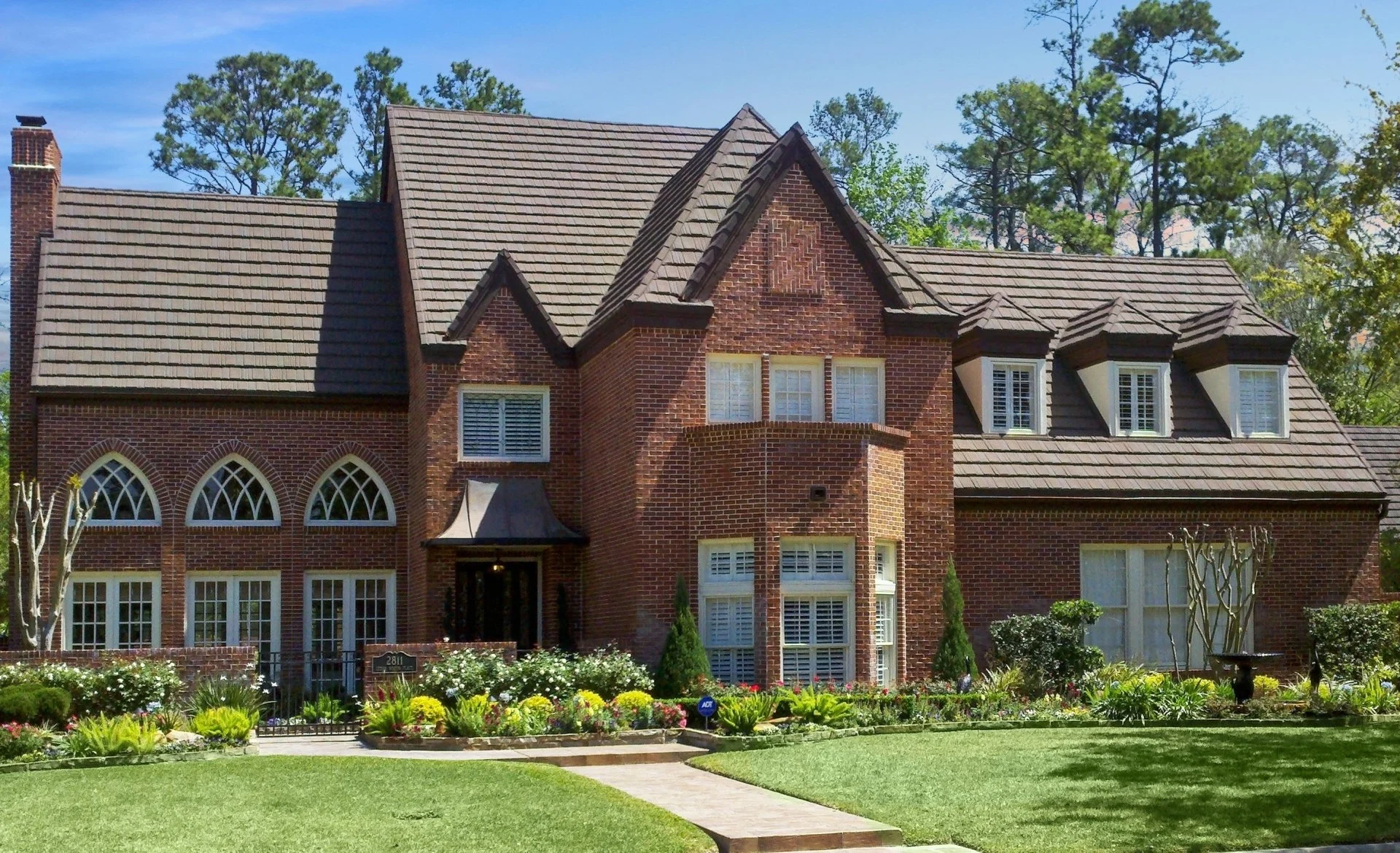
Stone-coated roofing can replicate:
- Cedar shake roofing
- Clay roof tiles
- Slate roofing
- Traditional shingles
while maintaining a consistent appearance over decades.
For developers building high-end communities, the enhanced curb appeal can contribute directly to property value.
Hotels, resorts, and luxury villas often prefer stone-coated roofing because it creates a premium architectural image.
Maintenance Requirements Over Time
Maintenance is frequently overlooked during material selection.
A roofing system that requires frequent inspection, repair, and replacement can significantly increase ownership costs.
As asphalt roofs age, common maintenance issues include:
- Missing shingles
- Cracking
- Curling
- Granule loss
- Water penetration
Stone-coated roofing generally requires minimal maintenance.
Periodic inspections and basic cleaning are usually sufficient to maintain performance.
For commercial property owners managing multiple buildings, reduced maintenance can translate into substantial operational savings.
Energy Efficiency and Operational Costs
Energy costs continue to rise globally.
As a result, roofing materials increasingly play a role in overall building efficiency.
Stone-coated roofing can contribute to energy savings through:
- Solar reflectivity
- Improved ventilation performance
- Reduced heat absorption
These characteristics help lower cooling loads in warm climates.
While asphalt shingles can be manufactured in reflective colors, they generally absorb more heat than premium stone-coated roofing systems.
For large commercial facilities, even modest reductions in energy consumption can generate meaningful long-term savings.
Sustainability and Environmental Considerations
Environmental performance has become an important factor in material selection.
Stone-coated roofing offers several sustainability advantages.
Because of its long lifespan, fewer replacement cycles are required.
This reduces:
- Raw material consumption
- Transportation emissions
- Construction waste
Additionally, steel is one of the world’s most recyclable construction materials.
Many stone-coated roofing systems can be recycled at the end of their service life.
By comparison, asphalt shingles generate significant waste during reroofing projects and recycling options remain limited in many regions.
Which Roofing System Is Better for Commercial Buildings?
For commercial developments, the decision often comes down to total lifecycle value.
A shopping center, office building, resort, or warehouse may remain in operation for decades.
In these cases, minimizing future maintenance and replacement costs becomes more important than minimizing initial construction expenses.
Stone-coated roofing is frequently the preferred solution because it offers:
- Longer lifespan
- Lower maintenance
- Better weather protection
- Enhanced aesthetics
- Improved sustainability
For developers planning long-term ownership, these benefits often outweigh the higher initial investment.
Which Roofing System Is Better for Residential Projects?
The answer depends largely on ownership horizon.
If a homeowner plans to remain in a property for only a few years, asphalt shingles may provide a reasonable short-term solution.
However, for luxury homes, villas, and premium residential communities, stone-coated roofing delivers significant advantages in:
- Appearance
- Durability
- Resale value
- Long-term reliability
This is one reason why stone-coated roofing continues to gain market share globally.
Final Verdict
If the evaluation is based solely on upfront cost, asphalt shingles will usually win.
If the evaluation is based on:
- Lifespan
- Weather resistance
- Maintenance
- Energy performance
- Sustainability
- Property value
then stone-coated roofing often provides superior long-term value.
For developers, contractors, distributors, and project owners seeking a roofing system that can deliver decades of reliable performance, stone-coated roofing represents a strategic investment rather than simply a construction expense.
At ROOFGLORY, our factory in Linyi, Shandong, China supplies high-quality stone-coated roofing systems to partners worldwide. Whether you are sourcing roofing materials for villas, resorts, commercial buildings, or residential communities, our team can help you select the right profile, finish, and specification for your market.
Visit roofglory.com to explore our stone-coated roofing solutions or request a quotation for your next project.