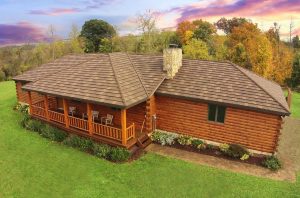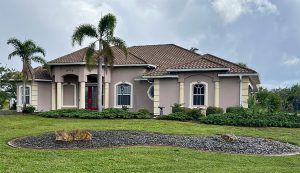
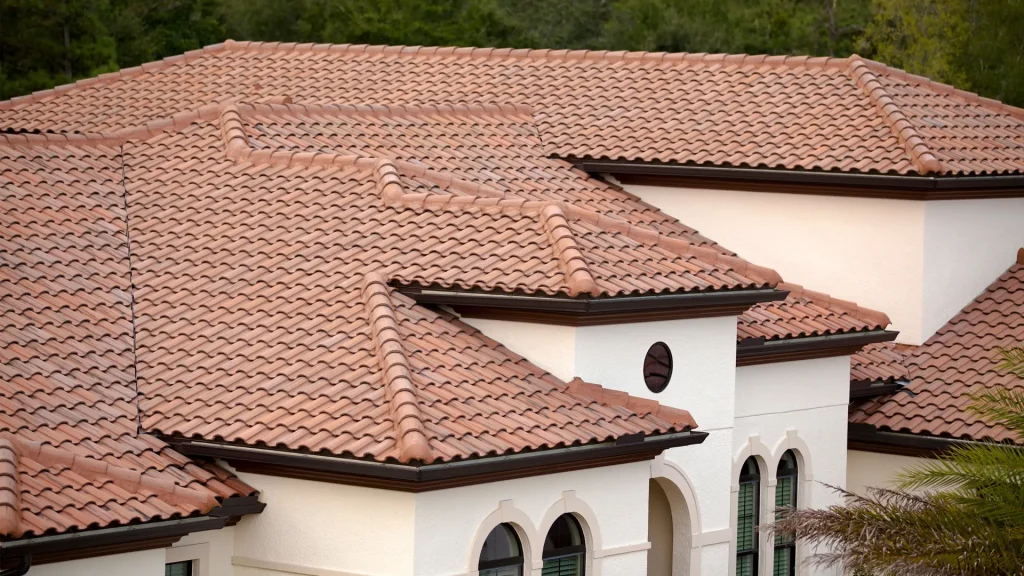
Roofing is one of the most critical elements of any building, providing structural protection, energy efficiency, aesthetic appeal, and long-term value. Among modern roofing solutions, interlocking roof tiles have gained popularity for their strength, durability, and ease of installation, making them a preferred choice for commercial, industrial, and high-end residential projects.
At ROOFGLORY, our factory in Linyi, Shandong, China, produces high-quality interlocking roof tiles designed for B2B clients who demand performance, reliability, and aesthetics. This guide explores everything you need to know about interlocking roof tiles, including materials, design, benefits, installation, costs, and market trends.
What Are Interlocking Roof Tiles?
Interlocking roof tiles are roofing units designed to fit together through a mechanical interlocking system, creating a continuous, secure surface. Unlike traditional shingles or tiles, which overlap loosely, interlocking tiles connect edge-to-edge, preventing water ingress and enhancing wind resistance.
Key Features
- Stone-Coated Steel or Concrete Core: Provides durability, strength, and impact resistance.
- Interlocking Design: Ensures tiles stay firmly in place, reducing risk of displacement.
- Aesthetic Versatility: Available in colors, textures, and profiles that mimic wood, slate, clay, or metal.
For premium interlocking roof tile options, visit ROOFGLORY.com.
Advantages of Interlocking Roof Tiles
Durability and Strength
Interlocking roof tiles are engineered to withstand extreme weather conditions, including heavy rain, wind, snow, and hail. The interlocking system prevents tiles from shifting, ensuring a secure roof surface that can last 50–70 years with proper maintenance.
Weather and Water Resistance
The interlocking edges create a tight seal against water and debris, reducing the risk of leaks. These tiles also provide excellent wind uplift resistance, making them ideal for regions prone to storms or hurricanes.
Aesthetic Flexibility
Interlocking roof tiles are available in a wide variety of styles, allowing architects and building owners to match roofing with any architectural design. They can mimic:
- Traditional wood shakes
- Classic clay tiles
- Modern metal profiles
- Natural slate finishes
This combination of functionality and visual appeal is particularly valuable in commercial and luxury residential projects.
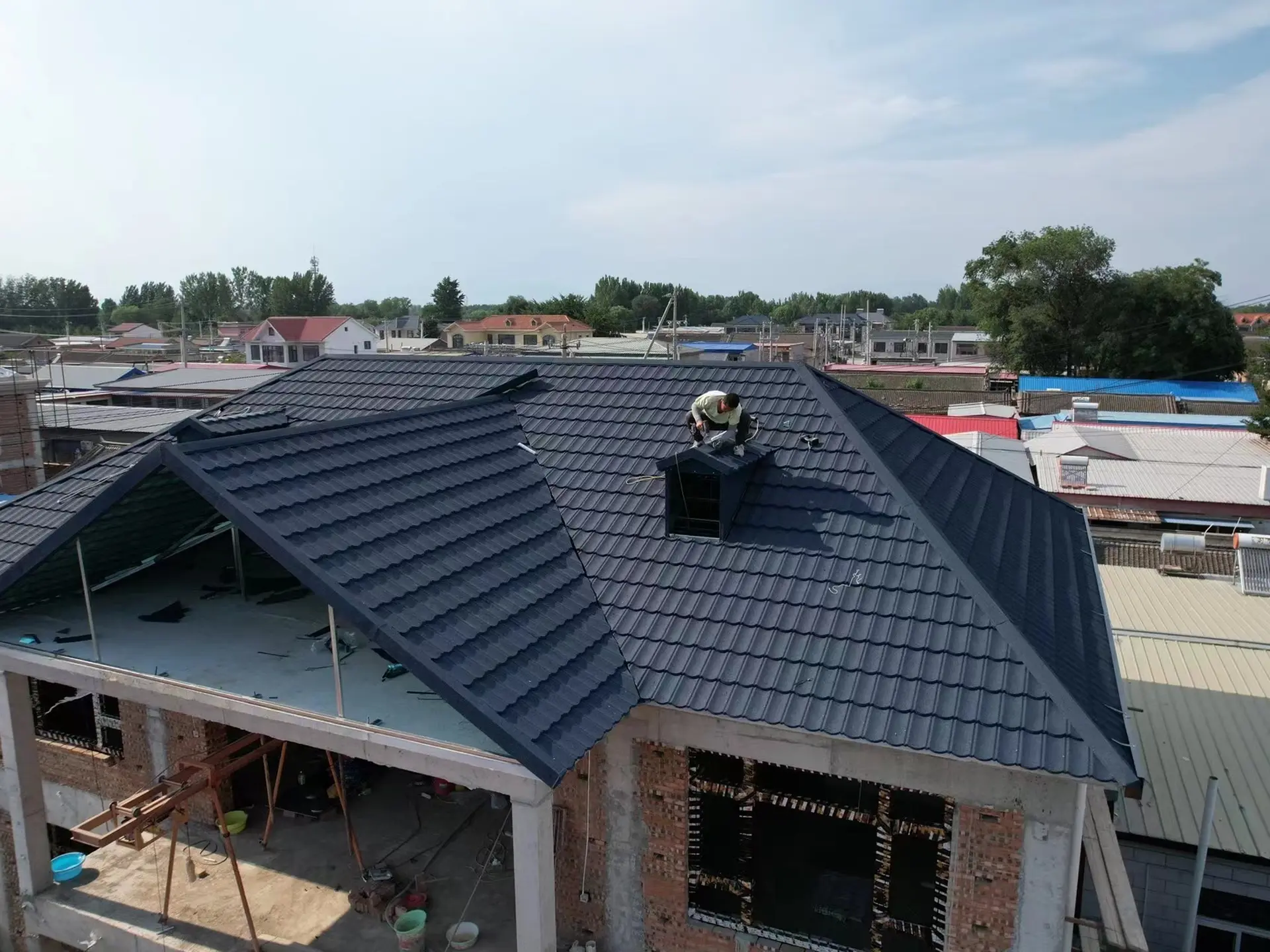
Energy Efficiency
Stone-coated interlocking roof tiles reflect solar heat, reducing cooling costs in summer. When combined with proper insulation, they can improve overall energy efficiency, supporting sustainable building practices.
Fire Resistance
Many interlocking roof tiles achieve Class A fire ratings, offering enhanced safety for industrial, commercial, and residential buildings.
Installation of Interlocking Roof Tiles
Preparation
- Inspect the roof deck for stability and remove old roofing materials if necessary.
- Ensure a clean, level surface for tile placement.
- Install waterproof underlayment for added protection.
Laying Tiles
- Begin at the eaves and work upward.
- Align tiles carefully to ensure proper interlocking.
- Use screws or nails recommended by the manufacturer to secure each tile.
Flashing and Ridge Caps
- Install flashing around chimneys, vents, and valleys.
- Add ridge caps to seal the roof’s peaks.
Final Inspection
- Verify tiles are securely fastened and aligned.
- Check for gaps or misaligned areas to prevent leaks.
For detailed installation guidance, explore ROOFGLORY.com.
Cost Considerations
While interlocking roof tiles are more expensive upfront than traditional asphalt shingles, they provide long-term value:
- Material costs: USD 8–15 per sq. ft.
- Installation costs: USD 6–12 per sq. ft.
- Total investment depends on roof complexity, material selection, and location.
Long-term benefits include lower maintenance costs, extended lifespan, and energy savings, making them cost-effective for commercial projects.
Applications
Commercial Buildings
Interlocking roof tiles are ideal for office buildings, hotels, and retail spaces where durability, aesthetics, and low maintenance are essential.
Industrial Facilities
Warehouses and factories benefit from weather resistance, fire protection, and long-lasting performance.
Luxury Residential Projects
Villas, estates, and high-end homes gain architectural flexibility and premium aesthetics with interlocking roof tiles.
Market Trends and Future Outlook
The interlocking roof tile market continues to grow due to:
- Urbanization and infrastructure development
- Demand for sustainable and energy-efficient roofing materials
- Technological innovations in coatings, profiles, and installation methods
At ROOFGLORY, we continuously innovate our stone-coated interlocking roof tiles to meet the evolving needs of B2B clients worldwide.
FAQ
1. What is the lifespan of interlocking roof tiles?
50–70 years with proper installation and maintenance.
2. Are interlocking roof tiles suitable for commercial buildings?
Yes, they are ideal for offices, warehouses, hotels, and retail spaces.
3. Can they withstand extreme weather?
Yes, interlocking design enhances wind and water resistance, suitable for storms and heavy rain.
4. What maintenance is required?
Minimal; periodic inspection and cleaning of gutters and debris.
5. How do I request a quote?
Visit ROOFGLORY.com for inquiries and personalized consultation.