

For building professionals, contractors, and ambitious property owners, the installation of interlocking roof tiles represents a process where engineering precision meets practical craftsmanship. Unlike traditional roofing materials that rely heavily on installer experience for proper weather protection, interlocking systems are designed with installation efficiency and consistency as core principles. The interlocking mechanism itself serves as a guide, helping to ensure correct alignment and engagement that might otherwise require years of specialized training to achieve consistently.
ROOFGLORY interlocking roof tiles, manufactured at our advanced facility in Linyi, Shandong, China, exemplify this design philosophy. Our systems integrate precision-engineered connections that simplify installation while delivering superior weather resistance and wind performance. This comprehensive guide provides building professionals with the technical knowledge and practical procedures necessary to execute successful installations, whether for new construction or re-roofing projects. Understanding proper installation techniques is essential for realizing the full longevity and performance benefits that make interlocking roof tiles a superior choice for commercial and residential applications.
Understanding the Interlocking System
Before beginning any installation, a thorough understanding of how interlocking roof tiles function as an integrated system is essential. The interlocking design creates a continuous, weather-resistant membrane through mechanical engagement between adjacent tiles.
The Interlocking Mechanism Explained
Interlocking roof tiles feature precision-engineered connection points along their edges that create positive engagement with neighboring tiles. This system serves multiple critical functions:
-
Weather Sealing: The overlapping interlock creates a labyrinth path that water must navigate, effectively preventing infiltration while allowing for necessary thermal movement
-
Wind Resistance: Mechanical engagement distributes wind uplift forces across multiple tiles, preventing individual dislodgement that can compromise conventional roofing
-
Self-Alignment: The interlock guides proper positioning, reducing installation variables that can affect long-term performance
-
Load Distribution: Connections transfer snow, wind, and live loads to the supporting structure through the integrated assembly
Component Types
A complete interlocking roof tile system includes several component types that work together to create a unified roof assembly:
-
Field Tiles: The standard tiles covering the majority of the roof area, available in various profiles including Shake, Shingle, Villa Tile, and Tile designs
-
Starter Tiles: Specialized tiles installed at the eaves to establish the first course and provide proper water runoff
-
Ridge and Hip Tiles: Components that cap the ridges and hips, providing weather protection at these critical junctions
-
Valley Flashing: Metal flashings that manage water flow in roof valleys
-
Penetration Flashings: Specialized flashings around chimneys, vents, and other roof penetrations
Understanding how these components integrate is essential for planning and executing successful installations.
Materials and Tools Required
Proper preparation with the right materials and tools ensures efficient, professional-quality installation.
Primary Materials
-
Interlocking Roof Tiles: Field tiles in the selected profile and color
-
Starter Tiles: Matching starter course components
-
Ridge and Hip Tiles: Matching ridge components
-
Underlayment: High-quality synthetic underlayment meeting manufacturer specifications
-
Fasteners: Corrosion-resistant screws or nails appropriate for the substrate and tile design
-
Flashings: Valley, step, and penetration flashings as required
-
Sealant: Manufacturer-approved sealant for specific applications
-
Drip Edge: Metal edge trim for eaves and rakes
Essential Tools
-
Measuring Tools: Tape measure, chalk line, level, and square
-
Cutting Tools: Tin snips, metal shears, or circular saw with appropriate blade for tile cutting
-
Fastening Tools: Screw gun or hammer appropriate for the specified fasteners
-
Layout Tools: Chalk line for establishing straight lines
-
Safety Equipment: Fall protection, non-slip footwear, gloves, and eye protection
-
Lifting Tools: Flat bar for minor adjustments
-
Alignment Tools: Straight edge for verifying courses
Site Preparation Materials
-
Roof Deck Inspection: Materials for repairing any compromised deck areas
-
Debris Management: Tarps, buckets, and disposal containers
-
Protective Coverings: Tarps for protecting landscaping and building openings
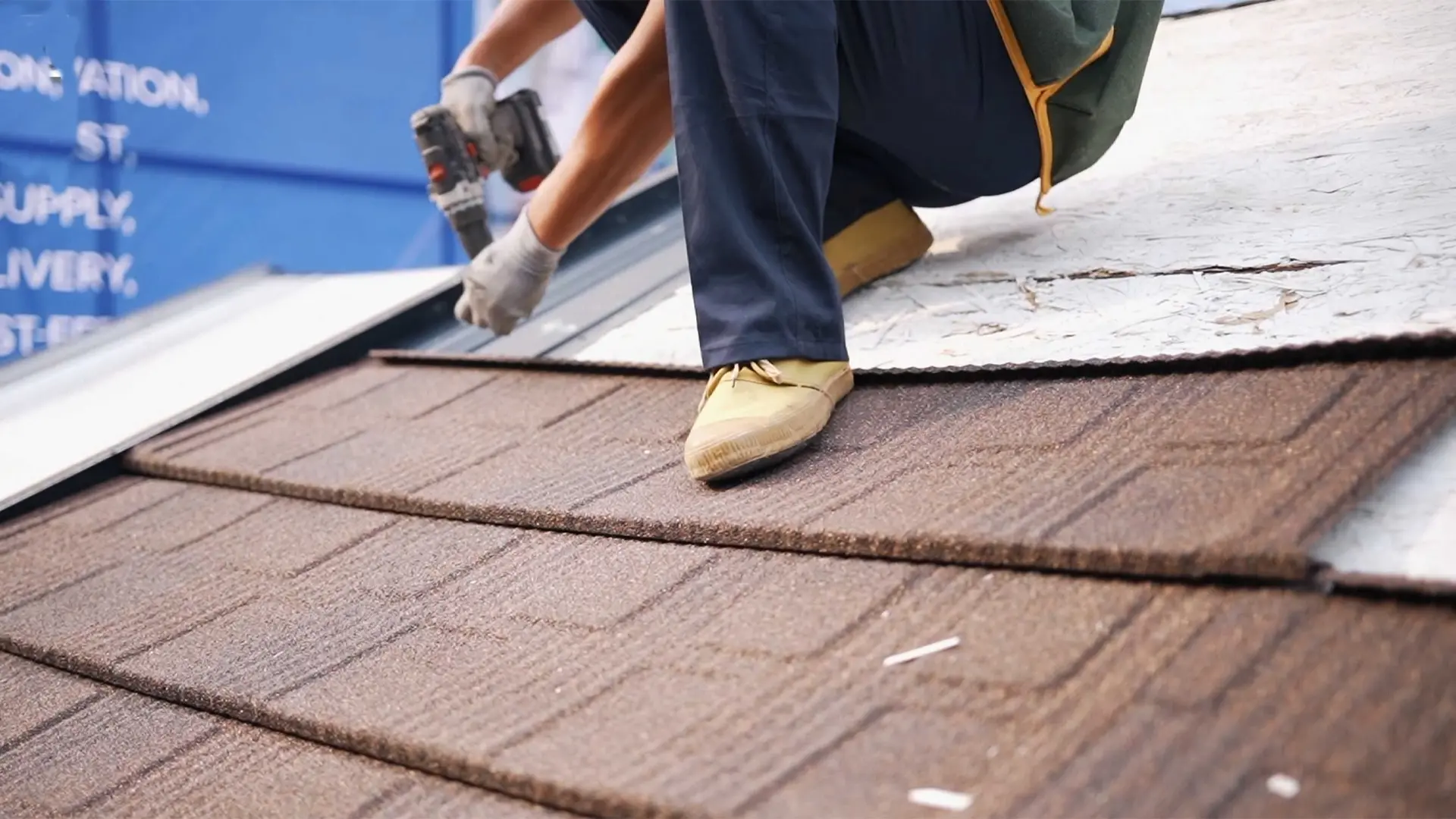
Step-by-Step Installation Instructions
The following procedure outlines the general approach for installing interlocking roof tiles. Specific techniques may vary slightly based on the exact profile and installation method of your ROOFGLORY system.
Step 1: Site Preparation and Safety Setup
Before beginning installation, establish a safe work environment. Set up ladders and scaffolding appropriately, ensuring stable, level footing. Install fall protection systems for all workers who will be working at height. Clear the work area of debris and obstructions. Protect landscaping and building openings with tarps and coverings as appropriate.
Step 2: Roof Deck Preparation
Begin with a thorough inspection of the roof deck. The deck must be structurally sound, clean, and dry. Address any areas of damage, rot, or deterioration before proceeding. For re-roofing projects, remove existing roofing materials down to the deck unless the system is designed for overlay installation.
If required, install ice and water shield in valleys, eaves, and other vulnerable areas according to local building codes and manufacturer specifications.
Step 3: Underlayment Installation
Roll out the synthetic underlayment horizontally across the roof, starting at the eaves. Overlap each subsequent course by the manufacturer-specified amount—typically 4 to 6 inches—to ensure proper water shedding. At ridges, valleys, and hips, install underlayment according to the specific detailing requirements for these areas.
Secure the underlayment with appropriate fasteners or cap nails at the specified spacing. Ensure the underlayment lies flat and smooth, with no wrinkles or bubbles that could telegraph through the finished roofing.
Step 4: Drip Edge Installation
Install metal drip edge along the eaves and rakes before beginning tile installation. At the eaves, the drip edge should be installed over the underlayment, creating a clean edge for water runoff. At the rakes, the drip edge is typically installed under the underlayment on the rake side, with the underlayment lapped over it to prevent water entry.
Secure the drip edge with appropriate fasteners at the recommended spacing, ensuring tight joints between sections.
Step 5: Establishing the Starter Course
The starter course establishes the alignment for the entire roof and is critical for proper water management. Using starter tiles or full field tiles trimmed to the appropriate width, install the first course along the eaves.
Snap a chalk line to establish a straight line parallel to the eaves. Position the starter tiles with the appropriate overhang beyond the drip edge—typically 1 to 1.5 inches—to ensure water sheds properly into the gutters.
Secure the starter course with fasteners at the specified locations. Verify that the course is straight and level before proceeding.
Step 6: Installing Field Tiles
With the starter course in place, begin installing field tiles, working from the eaves toward the ridge and from one rake toward the other.
Alignment and Spacing: Use chalk lines to maintain straight courses. The interlocking mechanism provides lateral alignment, but verifying vertical alignment ensures consistent appearance and proper engagement.
Interlocking Engagement: Each tile should be slid sideways into engagement with its neighbor before being fastened. The connection should feel positive, with the tile seating firmly against the adjacent unit.
Fastening: Secure each tile at the locations specified in the manufacturer’s installation guidelines. For ROOFGLORY tiles, this typically means fastening through the pre-punched holes or at the designated fastening points. Drive fasteners to the correct depth—snug enough to hold securely but not so tight as to deform the tile or restrict thermal movement.
Staggering Courses: For most profiles, stagger the vertical joints between courses to create a random, natural appearance. The specific stagger pattern may vary by profile design.
Cutting Tiles: At rakes, valleys, and penetrations, tiles will need to be cut to fit. Mark tiles carefully, cut with appropriate tools (tin snips for straight cuts, circular saw with fine-tooth blade for complex cuts), and test-fit before final installation. Cut edges should be treated with manufacturer-approved touch-up paint to prevent corrosion.
Step 7: Valley Installation
Valleys require careful detailing to ensure proper water management. There are two primary approaches:
Open Valley: Install metal valley flashing before beginning tile installation. Cut tiles to create a clean edge along the valley, typically maintaining a 4 to 6-inch exposure of the metal flashing. The cut edges should be angled to direct water into the valley.
Closed or Woven Valley: In this approach, tiles are installed continuously across the valley, with one side lapping over the other. This method creates a less visible valley but requires careful attention to water flow and is not suitable for all profiles or climates.
Step 8: Ridge and Hip Installation
After completing the field installation, install ridge and hip tiles to cap the peaks of the roof.
Ridge Preparation: Install ridge venting if required for attic ventilation. Ensure the underlayment extends properly over the ridge.
Ridge Tile Installation: Starting from the bottom on hip roofs or from one end on ridge lines, install ridge tiles with appropriate overlap. Secure each tile with fasteners or clips as specified. The final ridge tile should be sealed with manufacturer-approved sealant to prevent water entry.
Step 9: Penetration Flashing
Install flashings around all roof penetrations, including chimneys, vents, and skylights. These critical details require careful attention to prevent water entry.
Step Flashing: For side walls and chimneys, step flashing should be integrated with the tile courses, with each piece overlapping the tile below and tucked under the wall flashing.
Pipe Flashing: Pre-formed pipe flashings should be installed with the base layer integrated with the tile course and the collar sealed with appropriate sealant.
Step 10: Final Inspection and Cleanup
After completing the installation, conduct a thorough inspection:
-
Verify that all tiles are properly aligned and interlocked
-
Confirm that fasteners are installed at correct locations and depth
-
Check that valley, ridge, and penetration details are properly executed
-
Inspect for any loose tiles, gaps, or misalignments
-
Verify that cut edges are properly sealed
-
Clean debris from the roof surface and gutters
-
Conduct a water test if appropriate to verify water-tightness

Common Mistakes to Avoid
Even experienced installers can encounter challenges with interlocking tile systems. Being aware of common pitfalls helps ensure successful installation.
Improper Underlayment Installation
Inadequate underlayment overlap, insufficient fastening, or improper valley detailing can compromise the entire roof system. Always follow manufacturer specifications for underlayment installation, paying particular attention to valleys, eaves, and ridges where water exposure is greatest.
Incorrect Fastener Placement
Fasteners must be installed at the specified locations and to the correct depth. Over-driving fasteners can deform tiles and restrict thermal movement; under-driving may not provide adequate hold. Using the wrong type or length of fastener can compromise corrosion resistance or fail to penetrate adequately into the roof deck.
Misaligned Starter Course
The starter course establishes the alignment for the entire roof. If it is not straight and level, subsequent courses will compound the error. Take time to verify the starter course alignment before proceeding.
Forced Interlocking
Tiles should engage smoothly with their neighbors. Forcing tiles that are not properly aligned can damage the interlocking mechanism or create stress that leads to premature failure. If a tile does not seat properly, check alignment and adjust as needed.
Inadequate Valley Detailing
Valleys concentrate water flow and are among the most vulnerable areas of any roof. Improper valley detailing is a common source of leaks. Take extra care with valley installations, ensuring proper width, alignment, and integration with the field tiles.
Neglected Penetration Flashing
Each penetration represents a potential water entry point. Rushing penetration flashing or using inappropriate materials can lead to chronic leaks. Follow manufacturer specifications for all penetration details, and take time to ensure proper integration with the tile courses.
Insufficient Ridge Ventilation
If the roof design includes ridge venting, ensure that the vent path remains unobstructed during ridge tile installation. Blocked ventilation can lead to moisture accumulation and premature deterioration of the roof assembly.
Professional vs. DIY Installation: Making the Right Choice
The decision between professional installation and a do-it-yourself approach depends on several factors that building professionals should consider carefully.
Advantages of Professional Installation
Expertise and Experience: Professional roofers bring years of experience with various roofing systems, including interlocking tiles. They have encountered and solved the challenges that can arise during installation.
Proper Equipment: Professional installers have access to the full range of tools, safety equipment, and handling systems needed for efficient, safe installation.
Efficiency: Experienced crews can complete installations faster than individuals working alone, minimizing disruption and potentially reducing overall project costs when time is a factor.
Warranty Protection: Many manufacturer warranties require installation by certified professionals. Self-installation may void or limit warranty coverage.
Quality Assurance: Professional installation includes the quality checks and attention to detail that ensure long-term performance and prevent future issues.
Safety: Roof work involves inherent risks. Professional installers are trained in fall protection and safe work practices, reducing the risk of accidents.
Considerations for DIY Installation
For experienced building professionals, self-installation may be appropriate in certain circumstances:
Small Projects: For sheds, garages, or small additions, experienced DIY installers may achieve acceptable results.
Controlled Conditions: Projects with simple roof geometries, gentle slopes, and easy access may be more suitable for self-installation.
Cost Considerations: While material costs are fixed, labor savings may make self-installation economically attractive for capable professionals.
ROOFGLORY Installation Support
ROOFGLORY supports both professional installers and experienced DIY builders with comprehensive technical resources:
-
Detailed installation manuals for all product lines
-
Technical support available throughout the installation process
-
Training programs for contractors seeking certification
-
Quality materials designed for consistent, predictable installation
Conclusion: Precision Installation for Lasting Performance
The installation of interlocking roof tiles represents a process where engineering meets craftsmanship. The precision of the interlocking mechanism simplifies many aspects of installation while demanding attention to the details that ensure long-term performance. When properly installed, these systems deliver decades of reliable protection, energy efficiency, and aesthetic appeal.
For building professionals, mastering interlocking tile installation techniques adds a valuable capability to their service offerings. For property owners, understanding the installation process enables informed decision-making when selecting contractors and evaluating completed work.
ROOFGLORY stands ready to support your installation projects with quality materials, comprehensive technical resources, and expert guidance. Our interlocking roof tiles, manufactured at our advanced facility in Linyi, Shandong, China, are engineered for installation efficiency and long-term performance, ensuring that the effort invested in proper installation pays dividends for generations.
To access detailed installation manuals, technical specifications, or to locate certified ROOFGLORY installers, we invite you to contact our technical team.
Access ROOFGLORY installation resources and support:
-
Installation Manuals and Guides: Download comprehensive installation documentation for all ROOFGLORY interlocking tile systems.
-
Technical Support: Contact our team for installation guidance and project-specific questions.
-
Find Certified Installers: Connect with trained professionals for your installation projects.
-
Product Specifications: Access detailed information on all ROOFGLORY interlocking roof tile profiles and systems.
-
Warranty Information: Review warranty requirements and ensure installation practices that maintain coverage.