In commercial construction projects, roofing selection is not a design preference—it is a risk-controlled procurement decision.
Contractors, developers, and project consultants must evaluate roofing systems not only based on aesthetics or initial cost, but also based on long-term performance, structural compatibility, maintenance requirements, and supplier reliability.
Unlike residential projects, commercial roofing decisions involve higher stakes:
- Larger surface areas
- Higher installation complexity
- Long-term operational responsibility
- Stricter engineering standards
- Higher financial exposure in case of failure
At ROOFGLORY, a stone coated steel roofing manufacturer based in Linyi, Shandong, China, we work closely with international contractors and project developers who manage roofing selection for hotels, industrial buildings, villas, and large-scale residential developments.
Across these projects, we have observed that successful contractors do not choose roofing materials randomly—they follow a structured decision framework.
This article breaks down that framework.
1. Contractors Do Not Start with Products—They Start with Constraints
One of the biggest misunderstandings in roofing procurement is assuming that material selection begins with product comparison.
In reality, professional contractors begin with project constraints, such as:
- Climate conditions
- Structural load capacity
- Budget limitations
- Project timeline
- Building function
- Maintenance expectations
Only after these constraints are defined does material selection begin.
This is why two projects with identical roofing materials can have completely different outcomes.
2. Step One: Climate Compatibility Assessment
Climate is the first filter in roofing selection.
Contractors evaluate:
Hot climate zones
Key concerns:
- Heat reflection capability
- UV resistance
- Thermal expansion behavior
Roofing systems that perform poorly in heat will increase cooling costs and accelerate material degradation.
Cold climate zones
Key concerns:
- Freeze-thaw resistance
- Snow load capacity
- Ice dam prevention
Roofing systems must maintain structural integrity under repeated temperature fluctuations.
Coastal environments
Key concerns:
- Salt corrosion resistance
- Wind uplift performance
- Fastener durability
Coastal projects require higher corrosion protection standards.

3. Step Two: Structural Compatibility Evaluation
Roofing materials must match the building structure.
Contractors analyze:
- Roof pitch
- Load-bearing capacity
- Substructure type (steel, concrete, wood)
- Wind zone classification
A mismatch between roofing system and structural design is one of the most common causes of premature failure.
For example:
- Heavy roofing on weak structures increases safety risk
- Low-slope roofs require specialized waterproofing systems
- High-wind zones require reinforced fastening systems
4. Step Three: Lifecycle Cost Analysis (Not Just Material Price)
Professional contractors rarely evaluate roofing based on unit price alone.
Instead, they calculate:
Total cost over 20–30 years
This includes:
- Installation cost
- Maintenance cycles
- Repair probability
- Energy efficiency impact
- Replacement frequency
A lower-cost roofing system may appear attractive initially but often leads to higher lifecycle expenditure.
This is one of the main reasons stone coated roofing systems are increasingly adopted in commercial projects.
5. Step Four: Installation Efficiency and Labor Availability
Construction timelines are critical in commercial projects.
Contractors evaluate:
- Installation speed
- Labor skill requirements
- Error tolerance during installation
- Compatibility with local labor capabilities
Some roofing systems require highly skilled installers, while others are more modular and forgiving.
Stone coated interlocking roofing systems are often preferred because they:
- Reduce installation complexity
- Improve alignment accuracy
- Allow faster project completion
6. Step Five: Maintenance and Operational Risk
After construction is complete, responsibility shifts to long-term performance.
Contractors consider:
- Maintenance frequency
- Repair accessibility
- Risk of leakage
- Component replacement difficulty
In commercial projects such as hotels or industrial facilities, maintenance disruption can directly affect business operations.
Therefore, roofing systems with lower maintenance requirements are often prioritized.
7. Step Six: Supplier Reliability and Manufacturing Consistency
In global procurement, material quality alone is not enough.
Contractors must also evaluate:
- Production consistency
- Quality control systems
- Export packaging standards
- Technical documentation support
- Lead time reliability
A roofing system is only as reliable as its manufacturing process.
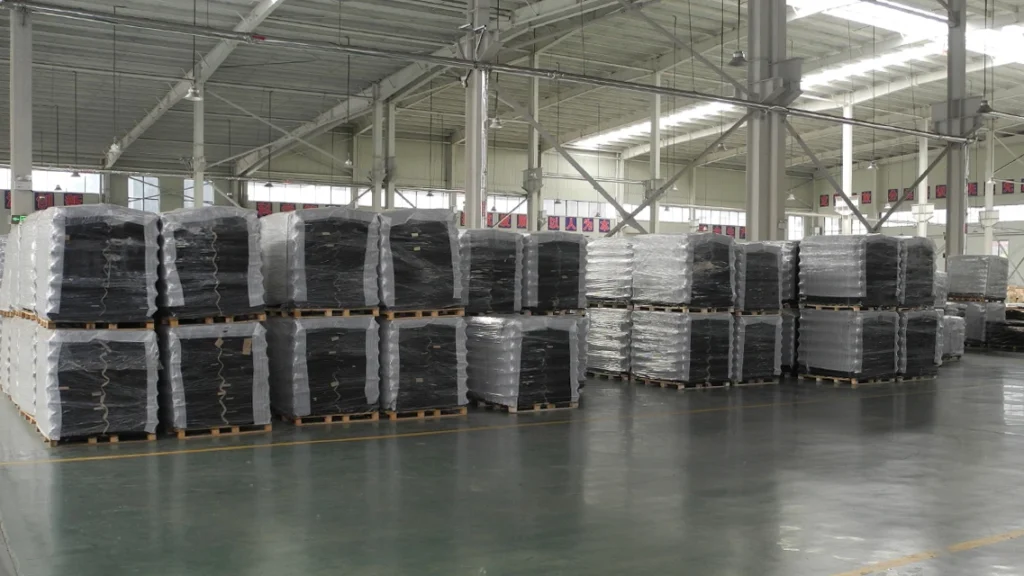
At ROOFGLORY, production is managed in Linyi, Shandong, China, with emphasis on:
- batch consistency
- coating durability control
- interlocking precision
- export-grade packaging
- technical support for installation teams
This reduces project risk for international contractors.
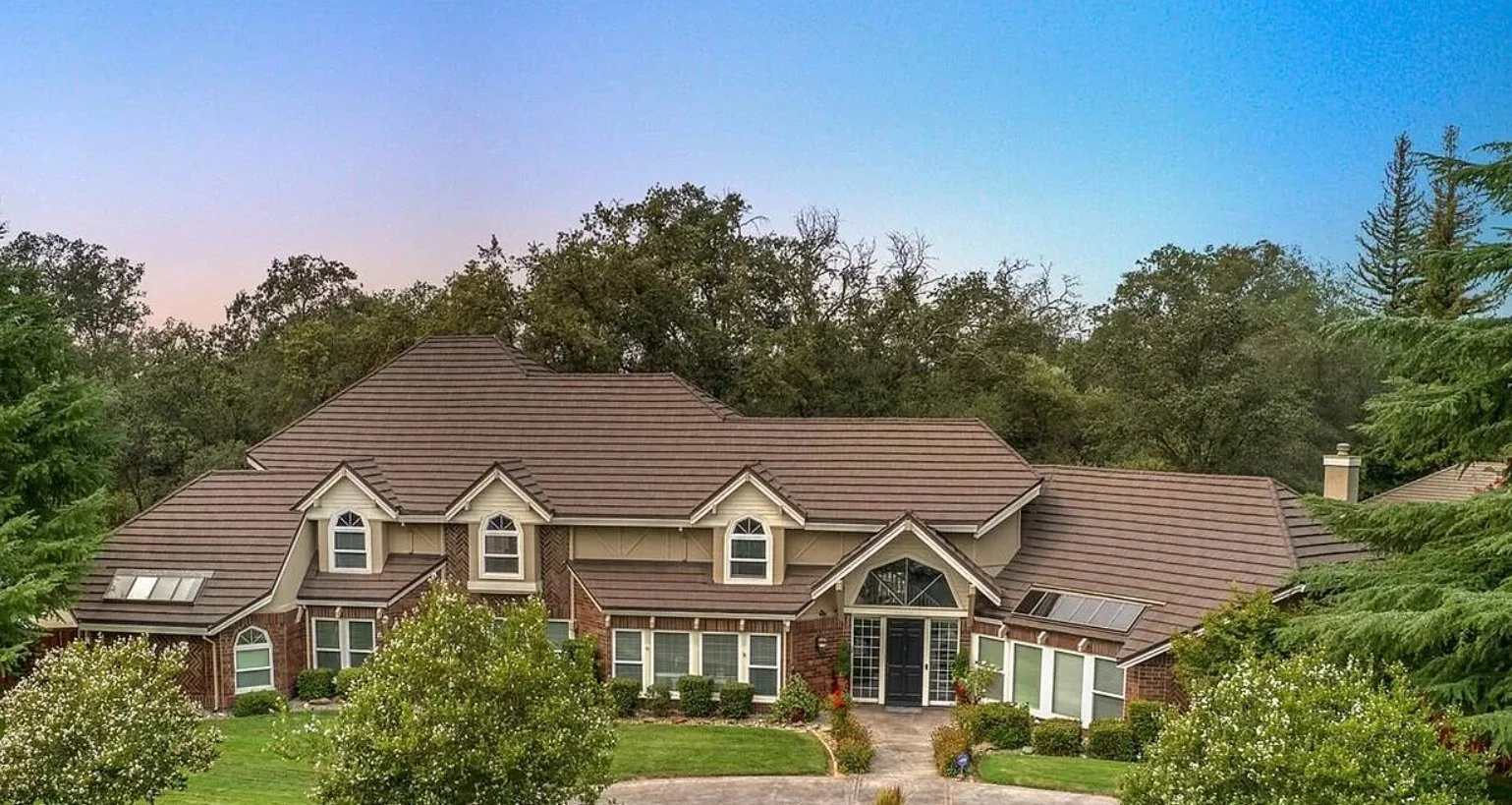
8. Step Seven: Aesthetic and Market Positioning Considerations
In commercial and residential development, roofing also affects market perception.
Contractors and developers evaluate:
- Architectural compatibility
- Visual premium perception
- Branding impact (especially for hotels and resorts)
- Resale or rental value influence
Roofing is not only a technical component—it is part of the building’s commercial identity.
9. Why Stone Coated Roofing Is Increasingly Selected in Commercial Projects
When evaluated through the full contractor decision framework, stone coated roofing performs strongly in multiple categories:
- Climate adaptability
- Structural compatibility
- Lifecycle cost efficiency
- Installation efficiency
- Maintenance stability
- Aesthetic versatility
This combination makes it particularly suitable for:
- hotels and resorts
- villa communities
- commercial office buildings
- large-scale residential developments
- export housing projects
10. The Real Decision Difference: Risk vs Price
At the professional level, roofing selection is not about finding the cheapest option.
It is about minimizing long-term risk exposure.
Contractors must balance:
- upfront cost
- long-term performance
- maintenance liability
- project reputation risk
A roofing failure in a commercial project can lead to:
- financial loss
- legal disputes
- brand damage
- operational disruption
This is why experienced contractors prioritize system reliability over initial savings.
Conclusion: Roofing Selection Is a Systems Engineering Decision
The way contractors choose roofing materials for commercial buildings is fundamentally different from consumer purchasing behavior.
It is a structured engineering and financial evaluation process involving:
- environmental conditions
- structural constraints
- lifecycle economics
- installation efficiency
- supplier reliability
- long-term risk management
Stone coated roofing systems are increasingly chosen not because they are the cheapest option, but because they offer a balanced, predictable performance profile across all decision variables.
At ROOFGLORY, we support global contractors and developers with engineered stone coated roofing systems manufactured in Linyi, Shandong, China, designed for commercial-scale reliability and long-term performance.
To learn more, visit:
https://roofglory.com