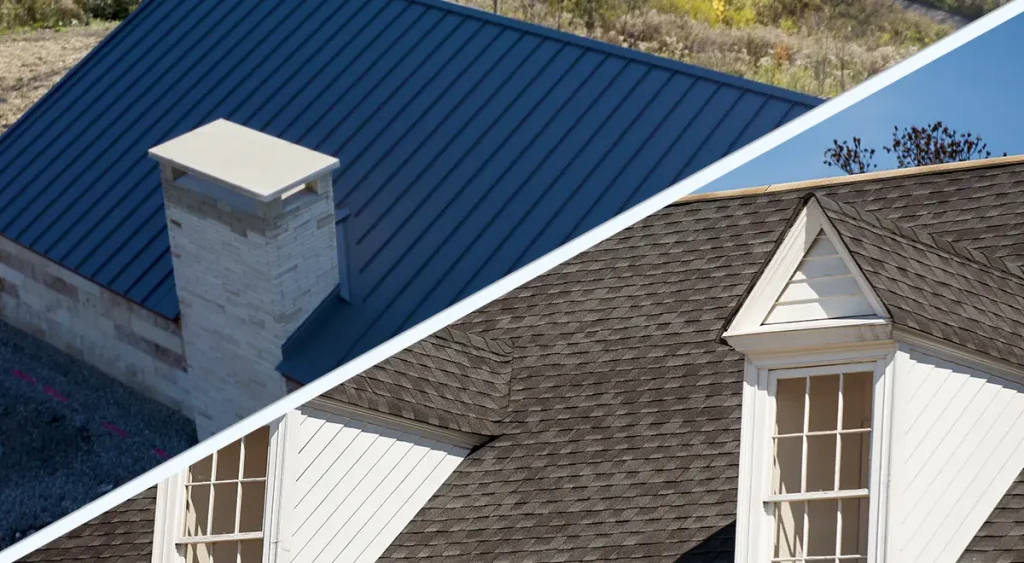
When comparing stone coated metal roofing vs. asphalt shingles, the decision often comes down to more than the initial price. Asphalt shingles are widely used because they are familiar, relatively affordable, and easy to install. Stone coated metal roofing offers a different combination of roof appearance, steel-based construction, profile choices, and long-term ownership considerations.
For homeowners, contractors, developers, and roofing distributors, choosing between these two materials requires understanding how they differ in cost, appearance, installation, maintenance, and suitability for different buildings.
At ROOFGLORY, we manufacture stone coated steel roofing in tile, shingle, and shake-inspired profiles. For buyers who are comparing metal shingles vs. asphalt shingles, stone coated steel is worth considering when the project calls for a traditional roofing appearance combined with a metal roofing product.
In this comparison, we will look at the practical differences between stone coated steel roofing and asphalt shingles, explain which factors matter most when evaluating them, and help buyers identify the right option for their projects.
1. What Is the Difference Between Stone Coated Metal Roofing and Asphalt Shingles?
The most fundamental difference is the material and construction.
Stone coated metal roofing uses formed steel panels with a protective metallic coating and a stone-granule surface finish. The panels can be manufactured in different profiles to resemble traditional roof tiles, shingles, or wood shakes.
Asphalt shingles are manufactured using a base mat, commonly fiberglass, coated with asphalt and finished with mineral granules. They are installed in overlapping courses to create a water-shedding roof covering.
Although both products can create a traditional residential roof appearance, they have different material structures and installation systems.
Stone Coated Metal Roofing
Stone coated steel roofing is available in multiple profiles. Depending on the design, the roof may resemble traditional clay tiles, architectural shingles, or wood shakes.
This profile flexibility is one of the reasons importers and distributors consider stone coated metal roofing for different residential markets. Rather than selling only one visual style, a product range can include different profiles suited to various architectural preferences.
ROOFGLORY’s product range includes:
- Villa Tile: A barrel-style profile inspired by traditional Old World clay tiles.
- Tile: A scalloped-edge profile inspired by Mediterranean clay tiles.
- Shingle XD: A thick-cut shingle-style profile.
- Shake XD: A profile inspired by traditional hand-split wood shakes.
- Shake: A cedar-shake-inspired design.
These profiles provide different visual choices without changing the central steel-based roofing concept.
Asphalt Shingles
Asphalt shingles are one of the most commonly used roofing materials in many residential markets, particularly in North America.
They are available in several product types, including three-tab shingles, architectural or dimensional shingles, and premium designer shingles. These variations offer different thicknesses, patterns, textures, and price levels.
Asphalt shingles are familiar to many roofing contractors, which can make sourcing, installation, repair, and replacement relatively straightforward in established markets.
For homeowners working with limited budgets or contractors handling standard residential reroofing projects, asphalt shingles remain a practical option.
2. Stone Coated Steel Roofing vs. Asphalt Shingles: Cost Comparison
Cost is often the first factor buyers consider when comparing stone coated steel roofing vs. asphalt roofing.
Asphalt shingles generally have a lower upfront material and installation cost. Stone coated steel roofing usually requires a higher initial investment, depending on the selected profile, specifications, roof design, and installation method.
However, the price comparison should not stop at the initial installation.
Initial Roofing Cost
Asphalt shingles are commonly selected for projects where upfront cost is a major priority. Their widespread availability and familiar installation methods can also make labor pricing more competitive.
Stone coated steel roofing has a wider range of profile designs and product specifications. The cost can vary according to steel thickness, coating requirements, profile, accessories, order quantity, and supplier.
The following table illustrates the general cost positioning rather than fixed quotations.
| Cost Factor | Stone Coated Metal Roofing | Asphalt Shingles |
|---|---|---|
| Initial material cost | Generally higher | Generally lower |
| Installation labor | Depends on system and installer experience | Often more widely available and familiar |
| Profile selection | Tile, shingle, shake-inspired styles | 3-tab, architectural, designer styles |
| Replacement frequency | Potentially less frequent, depending on product and conditions | May require earlier replacement |
| Repair costs | Depends on damage, panel access, and system | Individual shingle repairs may be straightforward |
| Total project cost | Depends on roof design and system details | Often attractive for budget-sensitive projects |
For buyers sourcing stone coated metal roofing from a manufacturer, the factory price is only one part of the total purchasing calculation.
The full cost may include roofing panels, ridge caps, hips, flashings, packaging, freight, import duties, customs clearance, and local distribution expenses.
For a more detailed pricing discussion, read our article on Stone Coated Steel Roofing Price: Costs, Profiles and Mediterranean Roofing Options.
Is Stone Coated Metal Roofing More Expensive Than Asphalt Shingles?
In many markets, yes, stone coated metal roofing typically costs more initially than asphalt shingles.
However, the actual difference depends on the product being compared. A basic asphalt shingle should not be compared with a premium roofing system without considering specifications, installation requirements, roof accessories, and expected service life.
For project developers and building owners, the more useful question is not simply which material has the lowest price today, but whether the initial investment is appropriate for the building, ownership period, maintenance plan, and replacement expectations.
For wholesale buyers, product cost should also be evaluated alongside the expected selling price, local demand, and the roofing styles customers are willing to purchase.

3. Durability and Lifespan: Which Roofing Material Lasts Longer?
Durability is one of the main reasons buyers consider metal roofing as an alternative to asphalt shingles.
The actual lifespan of either material depends on product quality, climate, roof design, installation, maintenance, and exposure to weather. Therefore, published lifespan estimates should be treated as general ranges rather than guaranteed service periods.
Stone Coated Metal Roofing Durability
Stone coated steel roofing combines a steel substrate with a protective coating system and textured surface finish.
Its durability depends on the complete construction of the product, including the steel specification, metallic coating, surface layers, manufacturing quality, installation details, and environmental exposure.
When evaluating stone coated steel roofing, buyers should ask the manufacturer for the relevant technical specifications rather than relying solely on broad claims about longevity.
Roofing in coastal, humid, high-wind, or highly exposed environments may require additional attention to corrosion protection, fixing details, and local performance requirements.
Asphalt Shingle Durability
Asphalt shingles are widely used and have established installation and repair practices.
Their service life can be affected by UV exposure, heat, moisture, wind, roof ventilation, algae growth, installation quality, and the condition of the underlying roof structure.
Over time, asphalt shingles may experience granule loss, cracking, curling, or other deterioration. The severity and timing depend on the product and environmental conditions.
For buyers comparing materials, it is important to review the manufacturer’s warranty, installation requirements, and realistic service-life expectations for the local climate.
Comparing Long-Term Ownership
A roof is not a one-time material purchase. It is part of the building’s maintenance and replacement plan.
If a building is expected to remain in service for several decades, the potential cost of future roof replacement may become an important consideration. A lower-priced roofing material may still be the right choice, but buyers should evaluate how many replacement cycles could occur during the building’s expected ownership period.
This is particularly relevant for villas, resort properties, residential developments, and buildings intended for long-term operation.
4. Appearance: Metal Shingles vs. Asphalt Shingles
Appearance is another important reason buyers compare metal shingles vs. asphalt shingles.
Both materials offer a variety of styles, but stone coated metal roofing has an additional advantage in profile variety. The steel panels can be formed into designs that resemble traditional roof tiles, shingles, and shakes.
Asphalt Shingle Appearance
Asphalt shingles are available in different colors and patterns.
Three-tab shingles create a more uniform and flat appearance, while architectural shingles use dimensional layers to create a more textured roof pattern.
Premium asphalt shingles may also imitate the appearance of wood shakes or slate.
For residential projects where customers are already familiar with asphalt shingles, these styles can be an easy choice because they match established preferences.
Stone Coated Metal Roofing Appearance
Stone coated metal roofing is designed for buyers who want a traditional roof appearance but are considering a metal-based product.
Depending on the selected profile, the finished roof can resemble:
- Traditional Mediterranean or Spanish roof tiles.
- Layered architectural shingles.
- Cedar or wood shakes.
- Other traditional roofing patterns offered by the manufacturer.
This flexibility makes stone coated metal roofing relevant for projects where the roof needs to complement the overall architectural style.
If your project requires a metal roofing product with a shingle-like appearance, see our article Metal Roof That Looks Like Shingles: Styles, Benefits and How to Choose.
For buyers looking at different product designs, our article on Stone Coated Steel Roof Tiles: Types, Designs and How to Choose the Right Roofing Profile also explains the differences between tile, shingle, and shake-inspired profiles.
5. Installation: Stone Coated Steel Roofing vs. Asphalt Shingles
Installation requirements can influence both the project cost and the choice of roofing material.
Asphalt shingles are familiar to many roofing contractors. The installation process is relatively standardized in markets where asphalt shingles are widely used, and contractors may already have the necessary tools, experience, and installation crews.
Stone coated metal roofing requires installers to understand the particular panel system, layout, fixing method, roof details, and accessories. The installation method may vary by manufacturer and profile.
Installation Considerations for Asphalt Shingles
Asphalt shingle installation typically involves:
- Preparing the roof deck.
- Installing underlayment and required waterproofing details.
- Laying shingles in the correct pattern.
- Installing flashing around roof penetrations and transitions.
- Completing ridge and edge details.
Because asphalt shingles are widely used in many markets, contractors may find replacement materials and repair services relatively easy to obtain.
Installation Considerations for Stone Coated Metal Roofing
Stone coated metal roofing requires attention to panel layout, overlaps, fixing points, roof edges, ridges, valleys, and penetrations.
Buyers and contractors should confirm the manufacturer’s installation documentation, including:
- Minimum roof pitch requirements.
- Panel installation sequence.
- Fixing and fastening requirements.
- Underlayment specifications.
- Flashing and accessory details.
- Cutting and finishing instructions.
For distributors, installation support and documentation can also be important when introducing a new roofing product into a market where contractors have limited experience with stone coated steel roofing.
Do not assume that all stone coated steel profiles share the same installation details. Always follow the documentation for the specific product being installed.
6. Maintenance and Repair: Which Roof Is Easier to Maintain?
Maintenance requirements depend on the roof design, installation quality, surrounding environment, and the type of damage that occurs.
Asphalt Shingle Maintenance
Asphalt shingle roofs should be inspected regularly for missing or damaged shingles, granule loss, flashing problems, debris accumulation, and signs of water infiltration.
Because individual shingles can often be replaced, localized repairs may be relatively straightforward when the correct product is available and the underlying roof structure remains in good condition.
However, matching the color and appearance of older shingles may become more difficult if the original product has faded or is no longer available.
Stone Coated Metal Roofing Maintenance
Stone coated steel roofing should also be inspected periodically.
Buyers and building owners should pay attention to panel damage, loose or improperly installed components, roof penetrations, flashings, gutters, debris, and any signs of corrosion or surface deterioration.
Maintenance should follow the manufacturer’s recommendations. Damaged areas should be assessed properly rather than repaired with materials or methods that may be incompatible with the roofing system.
For long-term property management, inspection records and the availability of matching components can make maintenance planning more manageable.
Neither roofing material should be considered maintenance-free. Regular inspection is important regardless of the material selected.
7. Which Roofing Material Is Better for Different Projects?
There is no universal answer to whether metal roofing vs. asphalt shingles is better. The choice depends on the project’s priorities.
Asphalt Shingles May Be a Better Fit When:
- The project has a tight initial construction budget.
- Asphalt shingles are widely available in the local market.
- Contractors have extensive experience with asphalt installation.
- The building follows a conventional residential roof design.
- Straightforward repair and replacement are important considerations.
Stone Coated Metal Roofing May Be Worth Considering When:
- The buyer wants a metal roofing alternative with a traditional appearance.
- The project requires tile, shingle, or shake-inspired profiles.
- Long-term roofing considerations are important.
- The building’s architectural style calls for more dimensional roof patterns.
- The importer or distributor wants to offer different roofing styles within one product range.
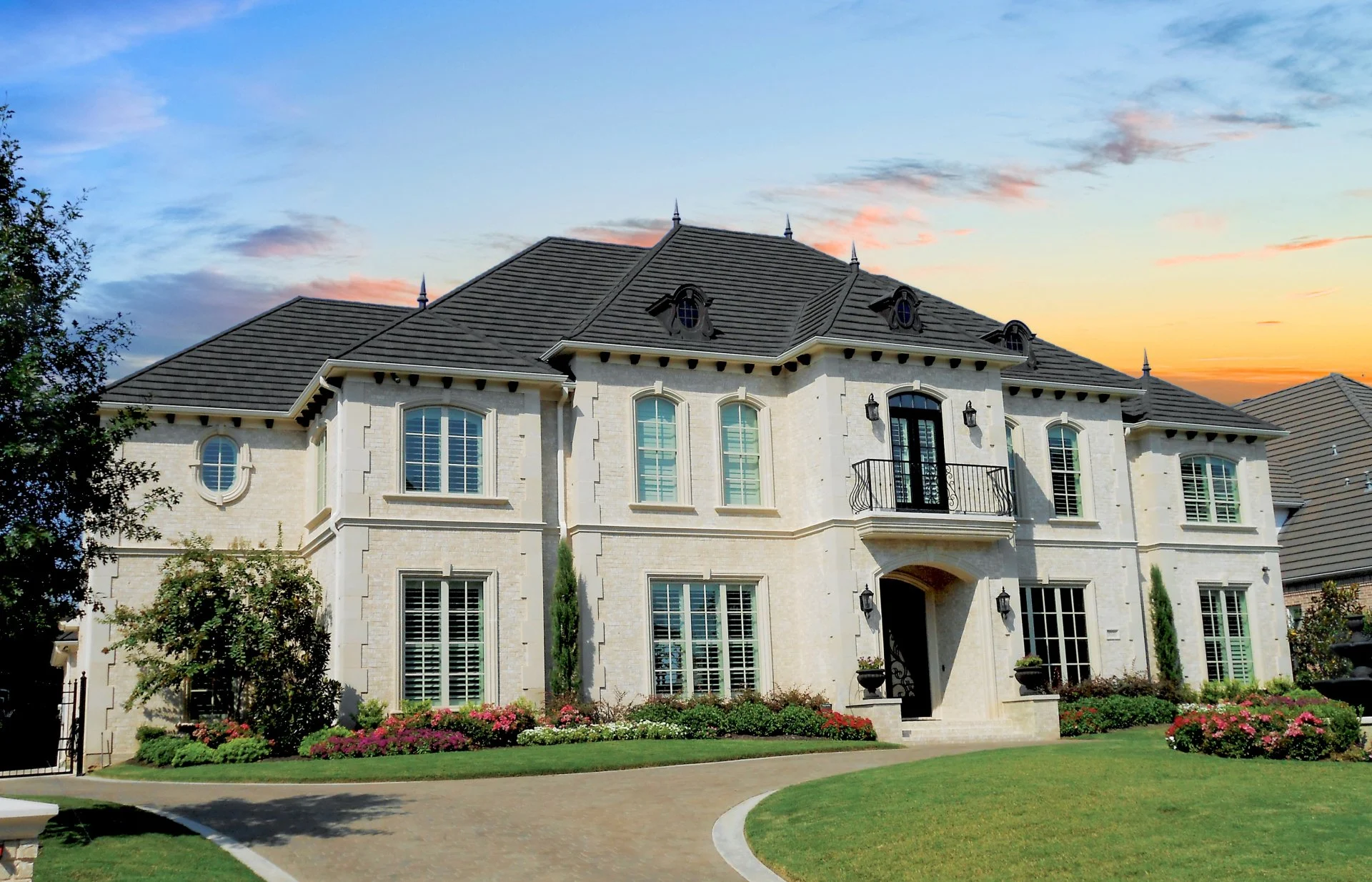
For villa projects, stone coated steel tile profiles may be particularly relevant when the building design calls for traditional clay tile aesthetics.
For residential developments, shingle-style profiles can be considered when the target customer prefers the appearance of conventional shingles but wants to evaluate metal roofing alternatives.
For resort and hospitality projects, shake or tile-inspired profiles may be considered according to the building’s design theme.
8. Why Roofing Distributors Should Consider Stone Coated Steel Shingles
For roofing distributors and building material importers, the comparison between stone coated steel shingles vs. asphalt shingles is also a business decision.
Asphalt shingles already have established demand in many markets. Their familiarity can make them easier to sell, but it also means distributors may face competition from numerous suppliers offering similar products.
Stone coated steel roofing provides another product category that can serve customers looking for different material characteristics and roof appearances.
A distributor may consider introducing stone coated steel roofing for several reasons:
Broader product selection
Tile, shingle, and shake-inspired profiles can help distributors serve different architectural preferences without limiting their range to one roof style.
Different customer segments
The product may be relevant to villa developers, residential contractors, renovation projects, resort operators, and customers who want a traditional appearance in a metal roofing format.
Product differentiation
The textured stone-coated surface and formed profiles create a distinct appearance compared with standard flat metal sheets.
Wholesale sourcing opportunities
Working directly with a manufacturer allows buyers to discuss product specifications, profile availability, packaging, order quantity, and export arrangements.
Before adding a new roofing category, distributors should evaluate local demand, competitor products, price positioning, installation familiarity, and the availability of supporting technical information.
9. Why Choose ROOFGLORY Stone Coated Steel Roofing?
ROOFGLORY manufactures stone coated steel roofing in Linyi, Shandong, China, with a product range covering tile, shingle, and shake-inspired profiles.
For buyers comparing metal shingles vs. asphalt shingles, we offer products designed to combine traditional roof appearances with a steel-based roofing construction.
Our available profiles include:
- Villa Tile: Barrel-style design inspired by traditional Old World clay tiles.
- Tile: Scalloped-edge profile inspired by Mediterranean clay tiles.
- Shingle XD: Thick-cut shingle-style appearance.
- Shake XD: Traditional hand-split wood shake-inspired profile.
- Shake: Cedar-shake-inspired appearance.
These products give importers, distributors, contractors, and developers different styles to evaluate based on the target market and project requirements.
If you are planning to introduce stone coated steel roofing into your market, our team can help you review suitable profiles and discuss product specifications for your order.
We recommend comparing the product details, effective coverage, accessories, packaging, and quotation conditions before making a purchasing decision.
10. Request a Stone Coated Metal Roofing Quote
Choosing between stone coated metal roofing and asphalt shingles requires balancing initial cost, roof appearance, installation requirements, maintenance, and long-term expectations.
Asphalt shingles remain a practical option for many budget-conscious residential projects. Stone coated steel roofing provides an alternative for buyers looking for traditional tile, shingle, or shake-inspired appearances in a metal roofing product.
If you are an importer, wholesaler, contractor, or developer sourcing stone coated steel roofing, ROOFGLORY can help you review the available product profiles.
When requesting a quotation, provide:
- Your target country or sales market.
- The preferred roofing profile.
- Estimated order quantity or roof area.
- Color requirements.
- Technical specifications, if applicable.
- Destination port or delivery location.
Contact ROOFGLORY to discuss stone coated metal roofing profiles, wholesale pricing, and product options for your next roofing project.