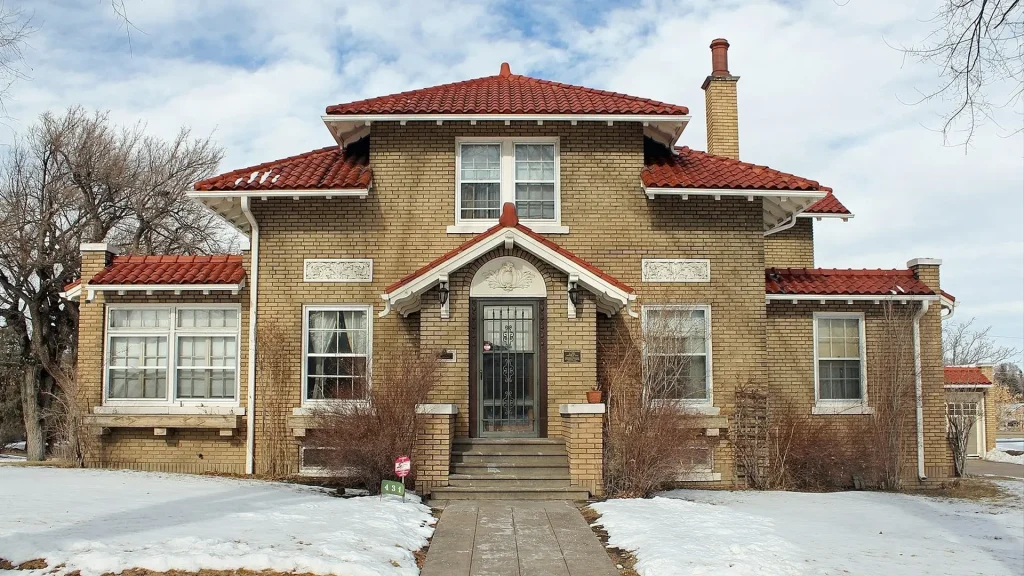
Mediterranean-style villas are recognized for their warm exterior colors, textured walls, curved rooflines, and distinctive tile roofs. Whether a project is a private residence, a luxury villa development, or a resort property, the roof plays an important role in defining the building’s architectural character.
For developers, contractors, and building material distributors, however, choosing Mediterranean roofing materials involves more than matching a traditional appearance. The selected roofing system must also meet project requirements for structural loading, weather conditions, installation, maintenance, and purchasing costs.
Traditional clay tiles remain a familiar choice, but they are not the only option. Stone coated steel roofing offers another way to achieve the appearance of Mediterranean tile roofs while using a steel-based roofing system.
At ROOFGLORY, we manufacture stone coated steel roofing products for international B2B buyers. Our Villa Tile and Tile profiles are designed around traditional tile aesthetics, giving importers, distributors, and construction businesses additional options when sourcing roofing materials for Mediterranean-style villas.
This article explains how to evaluate different Mediterranean roofing materials, choose suitable tile profiles, and plan product sourcing for residential and commercial villa projects.
1. What Makes Mediterranean Roofing Different?
Mediterranean architecture draws inspiration from buildings found across southern European coastal regions, particularly Spain, Italy, and Greece. Although architectural styles vary, their roofs often share recognizable characteristics.
Traditional Mediterranean roofs commonly feature curved or barrel-shaped tiles, warm terracotta colors, textured surfaces, and visible roof patterns. These elements create a strong visual connection between the roof, exterior walls, and surrounding landscape.
For modern villa projects, the roof is therefore not simply a protective building component. It is an important part of the overall architectural design.
Traditional roof shapes and tile profiles
The shape of the roofing material has a major influence on the finished appearance.
Spanish and Mediterranean-inspired villas often use curved or S-shaped tile profiles that create repeating patterns across the roof. Other designs use barrel-style tiles to produce a more pronounced three-dimensional appearance.
These profiles are especially relevant for developers working on:
- Mediterranean-style residential villas.
- Spanish-style and Italian-inspired homes.
- Luxury holiday properties and resort developments.
- Residential communities with a consistent architectural theme.
- Renovation projects where the original roof appearance needs to be maintained.
For distributors, understanding these design preferences helps identify which roofing products are worth introducing to the local market.
Color is just as important as profile
Mediterranean roofing is strongly associated with warm, natural colors. Terracotta, clay red, brown, sandstone, and weathered earth tones are common choices.
However, modern villa projects are not limited to traditional red roofs. Depending on the exterior materials and architectural direction, customers may also prefer darker brown, gray, or blended finishes.
When selecting colors for a project, consider the roof together with the exterior walls, window frames, doors, paving, and surrounding environment.
For importers and distributors, offering a carefully selected color range can be more commercially useful than stocking too many variations without a clear understanding of local demand.
2. Comparing Mediterranean Roofing Materials for Villa Projects
Several roofing materials can be used to create a Mediterranean appearance. The right choice depends on the project budget, building structure, local conditions, design expectations, and installation requirements.
For B2B buyers, it is important to compare complete roofing systems rather than evaluate products based on appearance or unit price alone.
Clay roof tiles: The traditional Mediterranean choice
Clay roof tiles have a long history in Mediterranean architecture. Their natural material appearance, warm colors, and curved profiles make them a familiar choice for Spanish, Italian, and other traditional villa designs.
Their main appeal is architectural authenticity. For projects that specifically require conventional clay roofing, these tiles may be the preferred solution.
However, buyers should consider their weight, transportation, handling, installation requirements, and compatibility with the roof structure. Clay tiles can also be vulnerable to breakage during handling or under certain impact conditions, depending on the product and circumstances.
For large developments or international sourcing projects, the total procurement and installation requirements should be evaluated before choosing clay tiles.
Concrete roof tiles: A practical alternative
Concrete tiles can reproduce many traditional roof designs and are available in different shapes, colors, and finishes.
They are used in various residential markets and may offer a practical option where local contractors are familiar with concrete tile installation.
However, concrete roofing systems can impose considerable dead loads on the roof structure. Buyers should confirm the actual product weight, roof framing requirements, and installation specifications for the selected system.
For villa developers, the decision should also account for how well the tile profile and finish match the intended architectural style.
Stone coated steel roofing: Traditional appearance with a steel substrate
Stone coated steel roofing combines a formed steel substrate with a stone-coated surface. Different profiles can create the appearance of traditional roofing materials, including tile and shingle designs.
This makes it particularly relevant to projects where the visual character of Mediterranean roofing is important, but the buyer wants to consider an alternative to conventional clay or concrete tiles.
For developers and distributors, several characteristics deserve attention:
- Profile selection: Different tile shapes create different roof patterns and architectural effects.
- Color options: Stone-coated finishes provide opportunities to coordinate roofing with exterior design.
- Product weight: Steel-based roofing systems can be lighter than many conventional tile systems, although the actual installed weight must be checked against the product specification.
- Transportation and handling: Product dimensions, packaging, and loading arrangements should be considered when planning international orders.
- Installation requirements: The selected roofing system must be installed according to its technical instructions and compatible accessory requirements.
Stone coated steel roofing is not automatically the right choice for every villa. Nevertheless, it gives developers and distributors another product category to consider when balancing architectural appearance and project requirements.
At ROOFGLORY, our Villa Tile and Tile profiles are particularly relevant to this type of application. They offer two different approaches to traditional tile-inspired roof designs, allowing buyers to evaluate which appearance better suits their projects.
3. Choosing the Right Mediterranean Roof Tile Profile
The profile is one of the most important decisions when sourcing Mediterranean roofing materials. Two products may use similar colors but create very different roof appearances because of their shapes and surface patterns.
For importers and project purchasers, choosing the profile before finalizing colors and quantities makes the product selection process more efficient.
Villa Tile: For a pronounced barrel-tile appearance
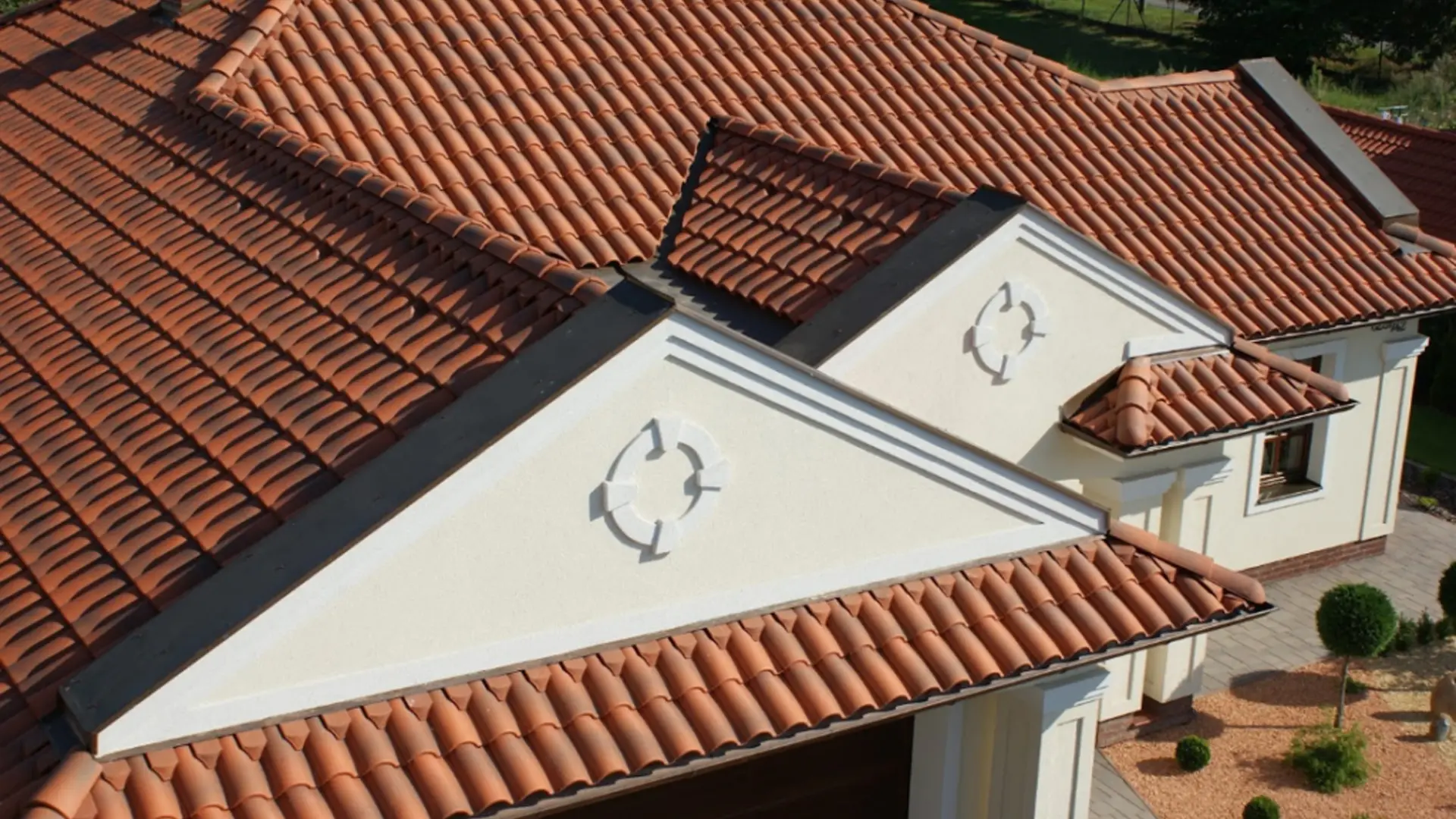
The Villa Tile profile is designed to reproduce the appearance of traditional barrel-style clay roofing.
Its curved shape is suitable for projects inspired by Old World Italian architecture, Spanish villas, and other Mediterranean designs where the roof has a more pronounced tile pattern.
This profile may be worth considering for:
- Luxury residential villas.
- Spanish and Italian-inspired developments.
- Resort and hospitality properties.
- Projects where the roof is a prominent architectural feature.
For buyers sourcing roofing products for a specific development, the Villa Tile profile should be evaluated alongside the building’s roof pitch, dimensions, design drawings, and accessory requirements.
Tile: For a scalloped Mediterranean appearance
The Tile profile offers a different interpretation of traditional Mediterranean roofing, with a scalloped tile appearance.
It can be considered for projects that require a more traditional curved-tile visual effect while maintaining the appearance of individual tile patterns across the roof.
This makes it relevant to residential developments, villa renovations, and other projects where the roof needs to complement Mediterranean-inspired exterior design.
The Villa Tile and Tile profiles should not be treated as interchangeable. Their visual effects are different, and the preferred option should be determined by the architectural design rather than the product name alone.
For ROOFGLORY buyers, reviewing actual product samples and roof application images is a useful step before confirming a bulk order.
How should buyers select between the two?
Start with the overall architectural appearance.
If the project uses a more pronounced barrel-style roof design, Villa Tile may be the more suitable profile to evaluate. If the design calls for a scalloped tile appearance, the Tile profile may be worth considering.
Next, compare available colors and finishes against the building’s exterior materials.
Finally, confirm the technical details, including product dimensions, effective coverage, installation method, accessories, and applicable specifications.
This sequence helps prevent a common purchasing problem: selecting a product based on a photograph before confirming whether it actually fits the project.
4. What Should Developers Consider Before Selecting Mediterranean Roofing Materials?
A roofing material can look suitable in a product catalogue but still be unsuitable for a particular development. Before confirming the material, project teams should evaluate the following factors.
Roof structure and product weight
Different roofing materials have different weights and structural requirements.
Clay and concrete tiles can place significant loads on roof framing, while steel-based roofing products generally have a different weight profile.
However, buyers should not assume that a lighter roofing material automatically makes a project structurally suitable. The complete roofing assembly, including supporting components, underlayment, battens where applicable, and other accessories, must be considered.
Developers should confirm structural requirements with the project engineer and review the manufacturer’s technical documentation before specifying a product.
Climate and local building requirements
Mediterranean-style villas are now constructed in many regions beyond the Mediterranean itself. Projects may be located in tropical areas, coastal environments, dry regions, or locations with seasonal storms.
As a result, the same roof design may need different product specifications depending on where it will be installed.
Before purchasing, confirm the requirements for:
- Local wind and uplift resistance.
- Rainfall and roof drainage.
- Corrosion exposure, especially in coastal locations.
- Fire performance requirements.
- Applicable building codes and product approvals.
- Installation methods appropriate to the roof design.
Importers should also verify whether the manufacturer can provide the technical documentation required by the destination market.
Do not rely on general statements that a roofing product is suitable for all climates. The actual specifications and test evidence must match the project requirements.
Installation and compatible accessories
A Mediterranean roof is a complete roofing system, not just a collection of visible tiles.
Ridge components, hips, valleys, eaves, flashing, roof penetrations, and drainage details all influence the finished installation.
Before placing an order, confirm which accessories are available for the selected profile and how the roofing system is installed.
This is particularly important for international projects where local contractors may be unfamiliar with a specific product.
For distributors, having clear installation information and accessory details also makes it easier to support customers after the products arrive.
Color consistency and project appearance
For large villa developments, roof color consistency is important because several buildings may use the same roofing material.
Buyers should confirm available color options, production arrangements, and sample approval procedures before ordering.
Digital photographs are useful for initial selection, but screen displays and lighting conditions can affect how colors appear. Physical samples should be reviewed whenever accurate color matching is important.
For larger projects, it is also sensible to confirm the quantity required for each color before production rather than placing separate orders without coordinating the overall appearance.
5. How Importers and Distributors Should Source Mediterranean Roofing Products
For roofing importers and building material distributors, sourcing is not simply about finding a manufacturer with an attractive product catalogue.
The supplier must be able to provide clear specifications, communicate order requirements, and help buyers understand whether the selected products match their intended market.
Select products according to your target customers
Before requesting quotations, define the customers you want to serve.
For example:
- Villa developers may prioritize architectural appearance, color coordination, and consistent specifications across multiple buildings.
- Roofing distributors may need several profiles and popular colors to serve different customer preferences.
- Building material wholesalers may focus on order quantities, packaging, shipping arrangements, and repeat purchasing.
- Contractors may prioritize installation details, accessories, technical documentation, and product availability.
A supplier discussion becomes more productive when the buyer has already identified the intended application and customer group.
Compare specifications, not just factory prices
When evaluating Mediterranean roofing materials from different manufacturers, make sure the quotations refer to comparable products.
Check the steel substrate, thickness, coating system, stone-coated finish, dimensions, effective coverage, and available accessories.
Also confirm what is included in the quotation. Packaging, loading, and other order-related arrangements can affect the actual purchasing cost.
A product with a lower quoted price is not necessarily the better commercial choice if its specifications, coverage, or accessory requirements differ.
For importers, comparing products on a consistent basis helps reduce sourcing uncertainty and makes it easier to calculate the expected landed cost.
Confirm production, packaging, and delivery arrangements
International roofing orders involve more than manufacturing.
Buyers should discuss minimum order quantities, production lead times, packaging methods, container loading, shipping arrangements, and the information required for export documentation.
For large villa projects, delivery planning is especially important. Product quantities and arrival schedules may need to be coordinated with construction progress and installation teams.
Before confirming an order, establish the agreed specifications and commercial terms in writing.
Work with a manufacturer that understands your requirements
A good sourcing relationship begins with clear communication.
Rather than asking only for a general catalogue and price list, provide the manufacturer with the information needed to recommend relevant products.
For example, a buyer sourcing Mediterranean roofing for a villa development can share the architectural style, approximate roof area, preferred profile, target color, destination country, and estimated purchasing quantity.
This allows the manufacturer to discuss more relevant product options instead of offering a generic selection.
At ROOFGLORY, we work with international B2B buyers looking for stone coated steel roofing products. Our Villa Tile and Tile profiles provide options for projects that require traditional Mediterranean-inspired roof designs.
Whether you are sourcing for a single development or building a product range for wholesale distribution, we encourage you to discuss the actual project requirements with our team before finalizing your selection.
6. Why Consider ROOFGLORY for Mediterranean Villa Roofing Projects?
Choosing a roofing manufacturer is an important part of planning a villa development or building material distribution business.
The product must match the architectural requirements, but the sourcing process also needs clear specifications, practical communication, and a purchasing arrangement that suits the project.
ROOFGLORY manufactures stone coated steel roofing products in Linyi, Shandong, China, serving international buyers looking for roofing solutions for residential and construction-related applications.
For Mediterranean-style projects, two product profiles deserve particular attention:
ROOFGLORY Villa Tile
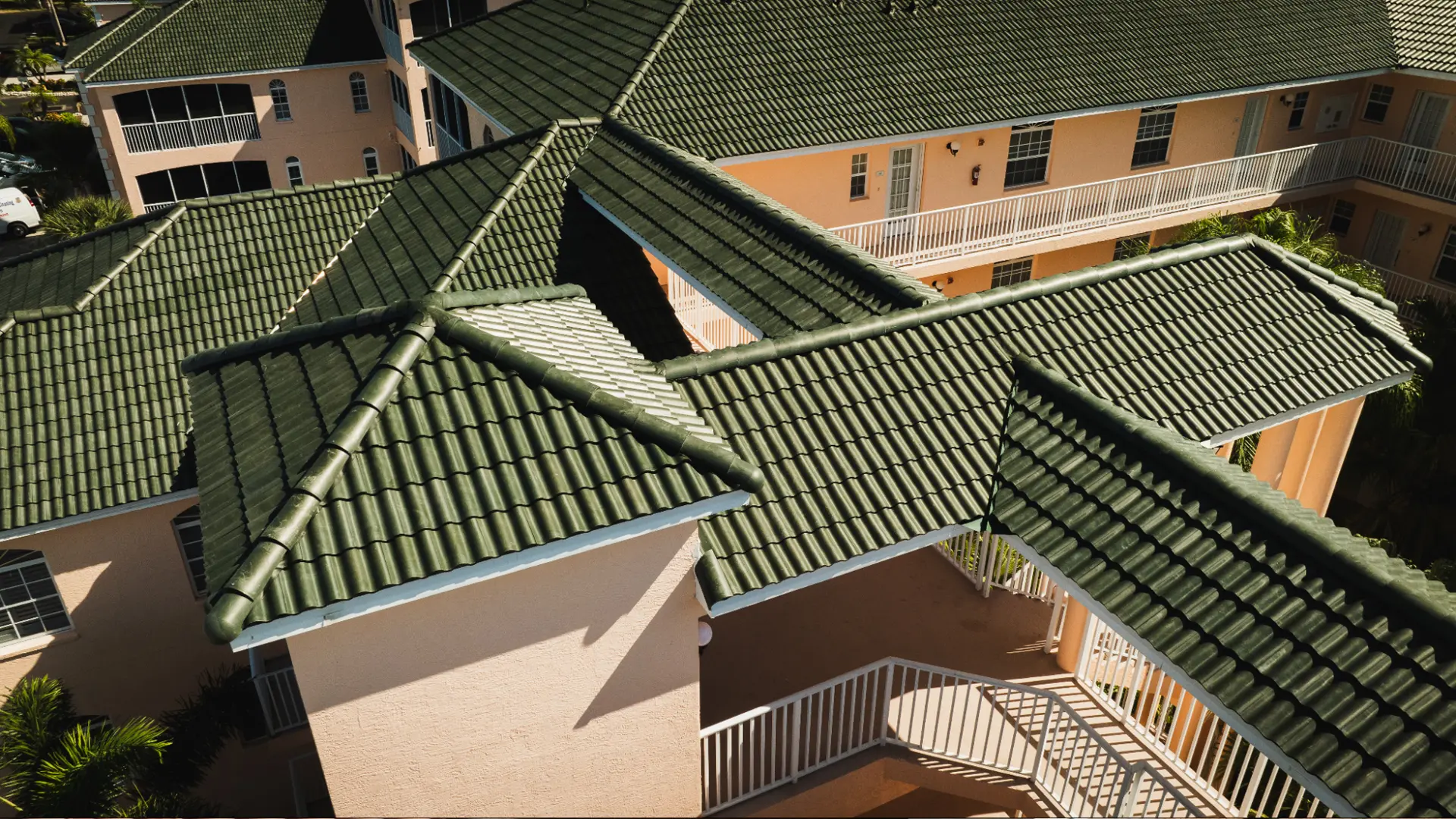
Designed around the traditional barrel-style clay tile appearance, Villa Tile is an option for buyers developing Spanish, Italian, and other Mediterranean-inspired villa projects.
ROOFGLORY Tile
With its scalloped Mediterranean tile appearance, this profile offers another option for projects that require a traditional curved-tile visual effect.
For importers and distributors, these products can also provide opportunities to expand an existing roofing range with tile-inspired stone coated steel options.
Rather than selecting products based only on photographs, buyers should confirm the relevant dimensions, technical specifications, available colors, accessories, and installation requirements.
If you are planning a villa development or sourcing Mediterranean roofing products for distribution, you can contact ROOFGLORY with the following information:
- Target country or market.
- Project type and architectural style.
- Preferred profile: Villa Tile or Tile.
- Approximate roof area or estimated order quantity.
- Preferred colors and technical requirements.
- Destination port or delivery location.
With these details, our team can discuss suitable product options and the information needed to prepare a quotation.
You can also visit the ROOFGLORY website to explore our stone coated steel roofing range.
Conclusion: Choose Mediterranean Roofing That Fits Both the Design and the Project
Mediterranean roofing is defined by more than warm colors and traditional tile shapes. The selected material must also work with the building structure, local climate, installation requirements, and overall project budget.
Clay tiles and concrete tiles remain established choices, but stone coated steel roofing offers another option for developers and distributors seeking traditional tile-inspired designs with a steel-based roofing system.
For modern villa projects, the most practical approach is to begin with the architectural style, compare suitable profiles, confirm technical requirements, and then evaluate manufacturers and purchasing arrangements.
If you are sourcing Mediterranean roofing materials for a villa development, wholesale business, or distribution market, ROOFGLORY can help you explore its Villa Tile and Tile profiles for your project.
Share your project details, preferred roof profile, estimated quantity, and destination market with our team to start a more focused product and quotation discussion.