
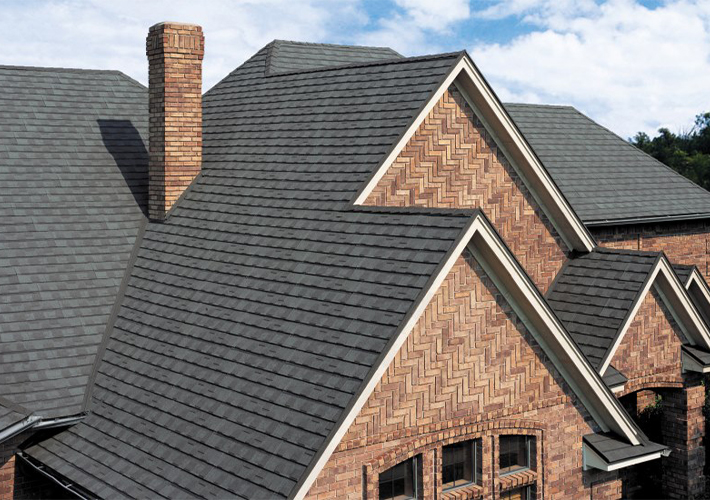
The stone coated steel roofing market offers opportunities for roofing distributors, building material importers, contractors, and construction companies looking to expand their product portfolios. Combining a steel base with a stone-coated surface, these roofing products offer a distinctive appearance and an alternative to traditional roofing materials.
However, entering this market successfully requires more than identifying growing demand. Buyers need to understand which products suit their target customers, how to evaluate manufacturers, and how to build a product range that balances appearance, performance, and purchasing costs.
At ROOFGLORY, we manufacture stone coated steel roofing products for international B2B buyers. For importers and distributors exploring new opportunities, working with a manufacturer that understands product specifications, roofing profiles, and bulk purchasing requirements can make the sourcing process more straightforward.
This article examines the key opportunities in the stone coated steel roofing market and explains how businesses can turn market demand into a more competitive roofing product offering.
1. Why the Stone Coated Steel Roofing Market Deserves Attention
The roofing industry serves customers with different priorities. Some focus on initial material costs, while others place greater importance on appearance, long-term use, weather resistance, and the overall value of a roofing system.
Stone coated steel roofing occupies a distinctive position in this market. Its steel substrate provides the underlying structure, while the stone-coated surface creates a textured appearance that can resemble traditional roofing materials.
For distributors and importers, this combination creates an opportunity to offer something different from conventional asphalt shingles, concrete tiles, clay tiles, or standard metal roofing panels.
A product that combines appearance and practicality
Roof appearance plays an important role in residential construction, villa developments, resort projects, and renovation work. Buyers may want the traditional look of tile or shingle roofing without choosing a conventional heavy roofing material.
Stone coated steel roofing offers a range of profiles and colors that can serve these preferences. Depending on the product design, distributors can build a portfolio that appeals to customers seeking classic, contemporary, or architectural roofing styles.
This variety also creates opportunities for businesses serving different customer segments. Rather than competing only on the lowest price per square meter, distributors can differentiate their offerings through product appearance, profile selection, and suitability for specific projects.
For buyers developing a roofing product line, the key question is not simply whether stone coated steel roofing is popular. It is whether the available profiles, colors, specifications, and price positioning match the customers they want to serve.
Opportunities beyond new residential construction
New residential projects are only one potential source of demand.
Stone coated steel roofing may also be considered for villa renovations, residential extensions, hospitality developments, holiday properties, and other projects where the roof contributes to the building’s visual identity.
These applications give distributors more ways to position their products. A business serving residential contractors may emphasize profile selection and installation requirements, while a supplier targeting villa developers may focus more heavily on architectural appearance and coordinated product options.
The opportunity is to identify a specific customer group and build a suitable offering around its needs, rather than trying to sell the same product to every market.
Why product differentiation matters for distributors
Roofing products can become difficult to differentiate when customers compare suppliers mainly by price.
A well-planned stone coated steel roofing range gives distributors additional ways to compete. Different profiles, colors, and product specifications can help them serve distinct project requirements and establish a clearer position in their local market.
This is particularly relevant for importers building relationships with contractors, roofing installers, building material retailers, or project developers.
The commercial objective should be to develop a product range customers have a reason to choose—not simply to import the cheapest available roofing tiles.

2. Where Are the Opportunities in the Stone Coated Steel Roofing Market?
Market opportunities vary by country, climate, construction practices, purchasing power, and customer familiarity with different roofing materials. Importers should therefore evaluate their own target markets rather than assume that demand will be identical everywhere.
North America: Focus on product positioning and local requirements
North America is an important market to investigate for stone coated steel roofing. However, buyers entering this market should examine regional building practices, competing roofing materials, local installation preferences, and applicable product requirements before making purchasing decisions.
For distributors, the opportunity may lie in serving customers who want an alternative to conventional roofing products or who value the appearance of traditional shingles and tiles.
Product selection matters. A profile that suits one customer segment may not be the best option for another, and buyers should confirm installation details and relevant performance documentation before committing to a product range.
Importers should also consider how products will be presented to their customers. Clear specifications, product photographs, installation information, and consistent communication with the manufacturer can make it easier to introduce an unfamiliar roofing product.
Australia and New Zealand: Consider the roofing environment
Australia and New Zealand are also worth evaluating when researching stone coated steel roofing opportunities.
Roofing requirements can vary significantly between locations, particularly where wind exposure, rainfall, coastal conditions, and local building regulations influence material selection.
For distributors, the important task is to identify the products that match the conditions and expectations of their intended customers. This includes confirming the manufacturer’s available specifications and determining whether additional testing or compliance documentation is required for the target market.
A supplier should be able to explain the specifications of its products clearly. Buyers should not rely on a general claim that a roofing product is suitable for every climate or building type.
ROOFGLORY can work with B2B buyers to discuss available roofing profiles and product specifications according to their purchasing requirements. Importers can start by identifying their destination market, preferred product style, and intended application.
Asia-Pacific: Evaluate both new construction and replacement demand
The Asia-Pacific region contains diverse construction markets, ranging from rapidly developing urban areas to established residential markets.
In some locations, demand may be associated with new residential construction. In others, renovation, villa development, or hospitality projects may provide more relevant opportunities.
Importers should investigate which roofing materials are already familiar to local contractors and what customers expect from an alternative product.
For example, if the target market is dominated by traditional concrete tiles, the sales proposition for stone coated steel roofing may need to emphasize appearance, product specifications, and the practical requirements of the roofing system. If customers are already familiar with metal roofing, profile design and product differentiation may become more important.
The best entry strategy depends on local competition and customer preferences, not simply the size of the construction industry.
Middle East, Africa, and Latin America: Match the product to the market
These regions should not be treated as one uniform market. Construction methods, climate conditions, import costs, purchasing power, and distribution networks vary considerably between countries.
For businesses exploring these markets, a targeted approach is generally more useful than launching a broad product range immediately.
Start by investigating the type of buildings being constructed, the roofing materials commonly used, the availability of local installers, and the price range customers are willing to consider.
Then determine which stone coated steel roofing profiles and specifications fit those requirements.
This is also where supplier communication becomes important. A manufacturer that can clearly explain available products, packaging, order requirements, and technical specifications can help buyers assess whether a proposed product range is commercially practical.
3. How Stone Coated Steel Roofing Competes with Other Roofing Materials
Understanding competing products is essential when evaluating the stone coated steel roofing market. Buyers need to know not only what their products offer, but also why a customer might choose them over an alternative.
Stone coated steel roofing vs. asphalt shingles
Asphalt shingles are established roofing products in many markets and can be attractive to customers looking for a relatively economical initial material cost.
Stone coated steel roofing offers a different combination of material structure, surface appearance, and product design. Depending on the profile, it can provide a tile-like or shingle-like aesthetic while using a steel base.
For distributors, the distinction creates an opportunity to serve customers who want a different appearance or are considering alternatives to conventional asphalt shingles.
However, the comparison should account for more than material price. Buyers should evaluate the complete roofing specification, installation requirements, expected service conditions, and any applicable warranty terms.
The most effective sales approach is to explain the differences clearly and target customers for whom the product’s specific characteristics matter.
Stone coated steel roofing vs. concrete and clay tiles
Concrete and clay tiles are widely recognized for their traditional appearance and established place in residential construction.
Stone coated steel roofing can appeal to buyers seeking a similar architectural effect through a different material system. Its steel substrate and profile options may also provide flexibility for certain building designs.
However, the two categories are not interchangeable in every project. Roof structure, installation details, local building requirements, and product specifications all need to be considered.
For distributors serving villa projects and residential developments, profile selection can be an important selling point. Different designs can help them serve customers who want a traditional roof appearance without choosing conventional concrete or clay tiles.
Stone coated steel roofing vs. conventional metal roofing
Conventional metal roofing panels are often selected for their straightforward forms and functional appearance. Stone coated steel roofing adds a textured surface and a wider range of tile-like profiles.
This difference can be commercially useful for distributors serving residential customers who want the practical characteristics associated with metal roofing but prefer an appearance closer to traditional shingles or tiles.
The right comparison depends on the specific products involved. Buyers should review substrate specifications, coating systems, available profiles, installation methods, and relevant performance information instead of assuming that every metal roofing product performs identically.
For distributors, the key opportunity is to position stone coated steel roofing as a distinct product category—not merely another metal roof.
If your customers value architectural appearance and product variety, it may be worth developing a dedicated range rather than placing these products in direct competition with every low-cost roofing option.
4. What Importers Should Check Before Entering the Market
Identifying demand is only the first step. The commercial outcome depends on choosing appropriate products, controlling purchasing costs, and working with a manufacturer that can support the order requirements.
Start with the customers you want to serve
Before requesting quotations, define your intended customer group.
Are you supplying roofing retailers, contractors, construction companies, villa developers, or building material wholesalers? Each group may have different expectations for product selection, order quantities, technical information, and delivery.
A distributor serving retail customers may need a carefully selected range of popular colors and profiles. A project supplier may place greater emphasis on specification consistency, quantities, packaging, and delivery coordination.
Once the customer group is clear, it becomes easier to determine which products deserve priority.
ROOFGLORY encourages buyers to begin with their intended application and purchasing requirements. This helps make the product discussion more specific than a general request for a catalogue.
Evaluate product specifications before comparing prices
Two quotations are not necessarily comparable simply because both suppliers describe their products as stone coated steel roofing.
Buyers should confirm the specifications that affect the product they will receive, including:
- Steel substrate specifications and thickness.
- Surface coating and stone-coated finish.
- Roofing profile, dimensions, and effective coverage.
- Available colors and product variations.
- Installation details and compatible accessories.
- Relevant test reports, compliance documents, and warranty terms, where applicable.
The exact information required depends on the destination market and intended application.
A clear specification helps buyers compare suppliers on a consistent basis and reduces the risk of ordering products that do not match the original requirements.
When discussing an order with ROOFGLORY, buyers can identify the desired profile, technical requirements, color preferences, and target application so that the available options can be evaluated more efficiently.

Calculate the landed cost, not just the factory price
A low factory quotation does not automatically mean a more profitable import.
The total purchasing cost may include product prices, packaging, inland transportation, international freight, insurance, customs duties, taxes, port charges, and delivery to the final destination.
Depending on the market, buyers may also need to account for local storage, handling, compliance checks, and distribution expenses.
These costs can affect the final selling price and the margin available to the importer.
Before placing a bulk order, compare quotations using the same product specifications and a consistent understanding of shipping terms. Confirm which costs are included in each quotation and which remain the buyer’s responsibility.
If you are planning to import stone coated steel roofing from China, provide the destination port or delivery location, estimated quantity, and preferred product specifications when requesting a quotation. These details help establish a more useful basis for evaluating the total purchasing cost.
Assess the manufacturer’s ability to support repeat orders
A supplier relationship should be evaluated beyond the first transaction.
For distributors, future business may depend on whether they can reorder the same product specifications, maintain a consistent product offering, and communicate changes or requirements effectively.
Before choosing a manufacturer, ask about production arrangements, order quantities, lead times, packaging, quality-control procedures, and how product specifications are documented.
It is also important to establish which requirements the manufacturer can confirm and which need further verification. For example, destination-market compliance should be supported by relevant documentation rather than broad assurances.
The goal is to build a sourcing relationship that fits your business model and supports future purchasing decisions.
As a manufacturer of stone coated steel roofing products, ROOFGLORY works with buyers to discuss product options and order requirements. Importers can share their expected order volume, target market, and preferred products to determine whether the available range fits their plans.
5. How to Build a More Competitive Stone Coated Steel Roofing Product Range
A successful product range should reflect the market you intend to serve. Ordering too many variations at the beginning can complicate inventory management, while offering too few options may limit your ability to meet customer preferences.
Choose profiles based on customer demand
Start by identifying the architectural styles and roofing profiles that are most relevant to your customers.
For example, businesses serving villa developers may prioritize profiles that complement residential architecture. Distributors working with general roofing contractors may need to consider ease of specification, product availability, and the types of projects most common in their area.
Rather than selecting products based on appearance alone, compare the intended application, installation requirements, available specifications, and expected customer demand.
ROOFGLORY’s stone coated metal shake roofing products can be a starting point for buyers exploring shingle-inspired roofing designs. The appropriate selection will depend on the project and the requirements of the destination market.
Develop a practical color strategy
Color selection affects both product presentation and inventory planning.
Some distributors may prefer a focused range of widely requested colors, while others serving custom residential projects may need more options.
Before committing to a large order, investigate local preferences and confirm the colors available for the selected product profile. Where color matching or specific finish requirements matter, communicate those requirements clearly before production.
A carefully selected range can make it easier to manage stock and explain the available choices to customers.
Prepare product information that helps customers make decisions
A competitive product range needs more than a catalogue.
Distributors should have clear product specifications, dimensions, installation information, color references, packaging details, and relevant supporting documents. Product images can also help customers understand the differences between profiles.
This information supports sales discussions and reduces repeated questions from contractors, retailers, and project buyers.
It also helps distributors present the product professionally, especially when stone coated steel roofing is unfamiliar to some customers in their market.
When contacting ROOFGLORY, buyers can explain which product information they need for their sales channels. This makes it easier to discuss the specifications and materials relevant to their business.
Start with a defined purchasing plan
Before placing an initial order, establish an approximate quantity, a target delivery schedule, and the product variations required.
The plan should account for expected customer demand, storage capacity, transportation costs, and the time needed to introduce a new roofing product to the market.
If demand is not yet established, a focused initial range may be more practical than purchasing numerous profiles and colors at once. The right order strategy will depend on the supplier’s minimum order requirements and the buyer’s commercial objectives.
Discuss these factors with the manufacturer before confirming the order. Clear expectations at the quotation stage can help prevent avoidable misunderstandings later.
6. Why Work with ROOFGLORY for Stone Coated Steel Roofing?
For importers and distributors, choosing a manufacturer is part of building a sustainable product business. The right supplier should be able to discuss product specifications clearly and help buyers determine whether the available products fit their target market.
ROOFGLORY manufactures stone coated steel roofing products in Linyi, Shandong, China, and serves international B2B buyers looking for roofing products for distribution and construction-related applications.
We understand that different buyers have different priorities. A wholesaler developing a new product category may need to compare profiles and colors, while a contractor or project purchaser may need to confirm dimensions, quantities, and technical specifications.
Rather than starting with a generic product recommendation, we encourage buyers to share their actual requirements.
When contacting ROOFGLORY, you can provide:
- Target market: The country or region where the products will be sold or installed.
- Product preference: The roofing profile, appearance, or product type you are considering.
- Technical requirements: Any known specifications or project requirements.
- Estimated quantity: Your expected purchasing volume or project demand.
- Delivery information: Your destination port or delivery location, if known.
With this information, we can discuss the relevant product options and the details needed to prepare a quotation.
If you are building a roofing distribution business, sourcing for a construction project, or evaluating manufacturers for a new product line, start by reviewing the ROOFGLORY website and identifying the products most relevant to your customers.
You do not need to finalize every specification before making an inquiry. Sharing your initial requirements is a practical first step toward understanding the available options, pricing considerations, and purchasing arrangements.
Conclusion: Turn Market Research into a Sourcing Opportunity
The stone coated steel roofing market offers opportunities for businesses that understand their customers and select products accordingly. However, market demand alone does not guarantee a profitable result.
Importers and distributors need to assess local competition, choose suitable roofing profiles, confirm product specifications, calculate landed costs, and establish a reliable sourcing process.
The most effective approach is to begin with a clear target market and a defined purchasing objective, then work backward to identify the products and supplier arrangements that make commercial sense.
If you are planning to introduce stone coated steel roofing to your market or expand your existing roofing product range, ROOFGLORY can help you discuss suitable product options and prepare for your next purchasing decision.
Contact ROOFGLORY with your target market, preferred roofing profile, estimated quantity, and delivery destination to start a more focused product and quotation discussion.