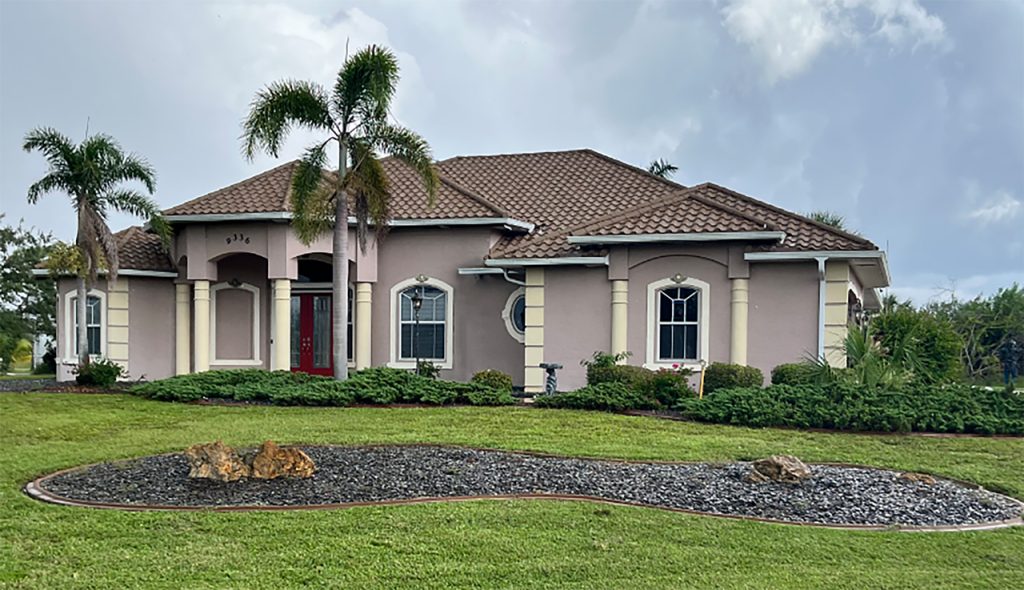
When people search for a metal roof that looks like shingles, they are usually looking for a combination of two things: the familiar appearance of traditional shingles and the performance characteristics associated with metal roofing.
This search phrase is also used by homeowners, builders, architects, developers, and roofing distributors who may not know the exact technical name of the product they need.
They may be looking for a roof that resembles:
- Traditional asphalt shingles
- Cedar wood shingles
- Cedar shakes
- Slate tiles
- Traditional stone-coated roofing
- Other residential shingle profiles
The common idea is simple:
Get the appearance of a conventional shingle roof without necessarily using conventional shingle materials.
This has made shingle-look metal roofing an increasingly relevant category for residential construction, villas, resorts, housing developments, and roofing distribution businesses.
For importers, however, choosing the right product involves more than selecting a style from a catalog. Material, profile, dimensions, coating, installation method, accessories, packaging, and supplier capability all affect the final product.
This guide explains the main types of metal roofing that look like shingles and what buyers should consider before choosing a product or manufacturer.
What Does “Metal Roof That Looks Like Shingles” Mean?
The phrase metal roof that looks like shingles is not one specific roofing product.
It describes a group of metal roofing systems designed to reproduce the appearance of traditional shingle-style roofing.
Instead of using large, visibly flat metal panels, these products are formed into smaller individual-looking units or modular profiles.
The finished roof can therefore have the visual rhythm of traditional shingles while using metal as the primary roofing material.
Depending on the design, the product may be marketed as:
- Metal shingles
- Steel shingles
- Stone-coated steel shingles
- Metal shake roofing
- Cedar-look metal roofing
- Metal cedar shake roofing
- Metal tile roofing
- Shingle-style metal roofing
This terminology can vary between manufacturers and markets.
For buyers, the important point is to look beyond the product name and compare the actual construction and specifications.
Why Choose a Metal Roof That Looks Like Shingles?
Traditional shingles remain popular because they fit a wide range of residential architectural styles.
However, some builders and property owners want an alternative material with different characteristics.
Metal roofing can provide the visual appearance of a traditional shingle roof while offering a different combination of:
- Weight
- Durability
- Weather resistance
- Maintenance requirements
- Installation methods
- Product lifespan
- Design flexibility
This makes shingle-look metal roofing particularly interesting for projects where appearance matters but the project team does not want to rely exclusively on traditional roofing materials.
For architects and builders, it can also provide more freedom when combining traditional architectural styles with modern construction materials.
Different Types of Metal Roofing That Looks Like Shingles
Not every shingle-look metal roof has the same appearance.
Understanding the differences is important when selecting a product.
Metal Shingles
Metal shingles are designed to reproduce the general visual pattern of conventional shingles while using formed metal as the roofing material.
They can have relatively clean and regular profiles, making them suitable for modern residential projects as well as traditional-style buildings.
The exact dimensions and installation system vary between manufacturers.
For distributors, metal shingles can be an attractive product category because they are easier to position as an alternative to conventional roofing while still offering a familiar appearance.
Metal Roof That Looks Like Cedar Shakes
Cedar shake roofing has a distinctive appearance created by the irregular texture and visual depth of split wood.
A metal roof can be manufactured with a profile designed to reproduce some of these characteristics.
This type of product is commonly described as:
Metal cedar shake roof
or
Cedar-look metal roofing.
It can be particularly suitable for:
- Luxury villas
- Resorts
- Mountain homes
- Country-style residences
- High-end residential developments
- Commercial properties requiring a traditional architectural appearance
For buyers specifically looking for cedar-style aesthetics without using natural wood, this product category deserves closer consideration.
ROOFGLORY also produces metal shake-style roofing solutions for buyers developing residential and architectural roofing product lines.
You can learn more about the company’s existing metal shake roofing range.
Stone-Coated Metal Roof That Looks Like Shingles
Stone-coated steel roofing is another important category.
Instead of leaving the metal surface with a conventional smooth painted finish, stone-coated products use a granular surface to create a textured appearance.
This can produce a more tile-like or shingle-like visual effect.
Depending on the profile, stone-coated steel roofing can resemble:
- Asphalt shingles
- Wood shakes
- Traditional tiles
- Slate
- Other architectural roofing styles
This is one reason stone-coated steel roofing has become relevant in residential and villa projects where the appearance of the roof is an important architectural consideration.
For importers, however, “stone-coated” alone does not tell you everything about the product.
You should still evaluate the substrate, coating system, dimensions, thickness, weight, accessories, and installation requirements.
Metal Shingles vs Metal Shakes
The terms metal shingle and metal shake are sometimes used interchangeably, but they can describe different visual styles.
A shingle-style product generally has a more regular, repeated appearance.
A shake-style product attempts to reproduce the deeper texture and more natural visual variation associated with wood shakes.
The choice is largely architectural.
A contemporary villa may benefit from a cleaner shingle profile, while a traditional resort or luxury residence may be better suited to a cedar-shake appearance.
For B2B buyers, it is therefore useful to request actual samples rather than making a purchasing decision based only on product names.

Metal Roofing That Looks Like Asphalt Shingles
Asphalt shingles are widely recognized because of their relatively small repeated units and familiar residential appearance.
Some metal roofing products are designed to reproduce a similar visual pattern.
The result can provide:
Traditional residential appearance + metal roofing construction
This can be useful for projects where the architect or developer wants the roof to fit an established residential aesthetic.
However, the appearance of metal shingles does not mean the installation process is identical to asphalt shingles.
The supporting structure, fixing method, overlap, accessories, and installation details can be different.
Builders should therefore follow the installation requirements of the specific metal roofing system.
Metal Roofing That Looks Like Wood Shingles
Wood is an important reference point for many architectural roofing designs.
Natural wood shingles and shakes can create a warm, textured appearance, but they also require consideration of maintenance, moisture, fire performance, local regulations, and long-term material behavior.
Metal roofing with a wood-look profile provides an alternative approach.
Instead of reproducing every characteristic of natural wood, manufacturers use formed metal profiles, surface textures, colors, and coatings to create a similar visual impression.
This can be particularly useful for:
- Villas
- Resorts
- Eco-lodges
- Mountain properties
- Holiday homes
- Premium residential communities
The goal is not necessarily to make the material indistinguishable from natural wood.
Instead, the objective is to combine a recognizable wood-inspired appearance with the characteristics of a metal roofing system.
What Makes a Good Shingle-Look Metal Roof?
For buyers, appearance is only the beginning.
A good product should also have consistent manufacturing quality.
Important characteristics include:
Consistent Dimensions
Tiles should maintain consistent dimensions and profile geometry.
This affects installation and the visual appearance of the completed roof.
Reliable Interlocking
If the product uses an interlocking design, the joints should be manufactured consistently so that the tiles fit together as intended.
Stable Coating
The surface finish should be consistent across the production batch.
Color differences can become particularly noticeable on large residential projects.
Suitable Fastening System
The fixing method should be appropriate for the product and local environmental conditions.
Matching Accessories
Ridge, hip, valley, flashing, and edge components should be compatible with the main roofing profile.
A visually attractive tile is much less useful if the manufacturer cannot provide the components needed to complete the roof.
Is a Metal Roof That Looks Like Shingles More Durable?
The answer depends on the exact product.
“Metal” is not itself a guarantee of a particular service life.
The performance of metal roofing depends on factors including:
- Substrate
- Material thickness
- Corrosion protection
- Coating
- Manufacturing quality
- Installation
- Climate
- Maintenance
A properly designed metal roofing system can provide long-term service, but buyers should avoid comparing products solely by the word “metal.”
For B2B procurement, technical specifications are more useful than broad marketing claims.
Ask manufacturers for information about the actual material and coating system.
What About Heavy Rain?
A shingle-look metal roof can be designed to manage rainfall effectively, but waterproofing depends on the entire roof system.
Important factors include:
- Roof pitch
- Tile overlap
- Interlocking design
- Underlayment
- Flashing
- Valleys
- Ridge details
- Roof penetrations
- Installation quality
The main roof tiles are only one component.
This is particularly important in tropical markets where heavy rainfall can occur within short periods.
For a deeper discussion of water management, see our article on whether interlocking roof tiles leak and how to prevent common problems.
What About Wind?
Wind performance should also be considered as a system.
A metal shingle or shake profile may be lightweight compared with some traditional roofing materials, but the actual performance depends on how the tiles are secured to the roof structure.
Important considerations include:
- Fastener type
- Fastener spacing
- Roof perimeter detailing
- Ridge and hip fixing
- Roof geometry
- Local wind loads
- Installation quality
For cyclone-, typhoon-, or hurricane-prone markets, local engineering and building requirements should take priority.
Importers should ask the manufacturer for the recommended fixing system and available technical information.
Does a Metal Shingle Roof Work for Villas?
Yes, this is one of the applications where shingle-look metal roofing can be particularly interesting.
Villas often require roofing materials that combine:
Architectural appearance + weather performance + manageable weight + long-term value
A metal roof that looks like shingles can fit a wide range of architectural styles.
For example:
Modern Villas
A clean metal shingle profile can complement minimalist architecture.
Traditional Villas
Cedar-look or stone-coated profiles can provide a more classic appearance.
Resort Villas
Wood-look metal roofing can create a natural architectural appearance while using a manufactured roofing system.
Luxury Residential Projects
Textured stone-coated or shake-style roofing can add visual depth to large roof surfaces.
This makes the category relevant not only to individual homeowners but also to developers and construction companies purchasing roofing materials in volume.
Metal Roof That Looks Like Shingles for Commercial Projects
Although shingle-look roofing is strongly associated with residential architecture, it can also be used for certain commercial applications.
Potential applications include:
- Resorts
- Hotels
- Restaurants
- Clubhouses
- Retail buildings
- Guest houses
- Tourist facilities
- Recreational buildings
The appropriate product depends on the building design and local regulations.
For commercial buyers, additional considerations may include:
- Fire requirements
- Wind requirements
- Warranty
- Maintenance access
- Project schedule
- Quantity
- Replacement availability
- Long-term supply
The purchasing decision therefore involves more than the appearance of the roof.
What Should Importers Look for When Buying Metal Shingle Roofing?
For an importer, the purchasing process is different from buying a few roofing samples for a private home.
The supplier needs to be evaluated as well as the product.
Product Specification
Confirm:
- Material
- Thickness
- Dimensions
- Effective coverage
- Weight
- Profile
- Coating
- Color
- Surface finish
Accessories
Ask whether the manufacturer supplies:
- Ridge components
- Hip components
- Valley components
- Flashing
- Eave components
- Fasteners
- Other matching accessories
Production
Ask about:
- MOQ
- Production capacity
- Lead time
- Quality control
- Sample availability
- Customization
Packaging
Confirm:
- Package dimensions
- Number of pieces per package
- Gross weight
- Pallet configuration
- Container loading quantity
Export
Ask whether the manufacturer has experience supplying international B2B customers and whether it can coordinate with your freight forwarder.
These questions help turn a product inquiry into a practical procurement evaluation.

Don’t Compare Metal Roofing Only by Price Per Piece
This is particularly important for importers.
Suppose Supplier A offers a lower price per tile than Supplier B.
That does not necessarily mean Supplier A offers the lower overall cost.
The products may have different:
- Dimensions
- Coverage
- Weight
- Thickness
- Coating
- Packaging
- Accessory costs
Instead, calculate the cost on a comparable basis.
A useful starting point is:
Product cost per usable square meter
Then add:
Freight + insurance + import costs + local logistics
This produces a more meaningful estimate of the landed cost.
Why Samples Matter
When buying a metal roof that looks like shingles, visual appearance is part of the product specification.
A website photograph cannot always show:
- Actual texture
- Surface gloss
- Color variation
- Edge detail
- Tile thickness
- Interlocking fit
- Coating consistency
A physical sample allows the buyer to evaluate these details.
For distributors, approved samples can also become the reference standard for future orders.
This is particularly useful when the same product will eventually be supplied to multiple construction projects.
Can Metal Shingle Roofing Be Customized?
Many manufacturers offer some level of customization.
Depending on the production system, buyers may request:
- Custom colors
- Different profiles
- Packaging
- Private labeling
- Accessory configurations
However, customization usually involves additional requirements.
These may include:
- Higher MOQ
- Longer lead time
- Custom tooling
- Color matching
- Special packaging
- Production approval
For this reason, importers should discuss customization during the quotation stage rather than after production begins.
Choosing Between Metal Shingles and Metal Shakes
The decision should start with the architectural objective.
Choose a metal shingle style when you want:
- A cleaner repeated pattern
- A conventional shingle appearance
- A modern residential look
- Straightforward visual consistency
Consider a metal shake style when you want:
- A more textured appearance
- A wood-inspired architectural style
- Cedar or shake aesthetics
- A more traditional or resort-oriented appearance
Neither style is universally better.
The appropriate choice depends on the building design and the market you are serving.
Metal Roof That Looks Like Shingles vs Traditional Wood Shingles
Natural wood remains an attractive roofing material for certain architectural projects.
However, it also has characteristics that need to be considered, including moisture exposure, maintenance, local availability, installation practices, and applicable regulations.
Metal roofing offers a different material solution while retaining some of the visual characteristics associated with traditional wood shingles or shakes.
For a developer or importer, the decision should therefore consider the complete project requirements rather than simply asking which material has the more attractive appearance.
A useful comparison can include:
| Factor | Metal Shingle / Shake | Natural Wood Shingle / Shake |
|---|---|---|
| Appearance | Wood-inspired or shingle-style options | Natural wood |
| Material consistency | Manufactured consistency | Natural variation |
| Maintenance | Depends on coating and system | Depends on wood species and environment |
| Weight | Varies by product | Varies by wood species |
| Custom colors | Often available | More limited |
| Manufacturing consistency | Generally high when properly produced | Natural variation |
| Supply | Factory production | Dependent on wood supply |
| Installation | Product-specific | Wood-shingle specific |
The final selection should also consider local building codes and climate.
How ROOFGLORY Approaches Metal Shingle and Shake Roofing
ROOFGLORY is a roofing manufacturer based in Linyi, Shandong, China, serving international B2B customers.
The company focuses on roofing products for applications including residential projects, villas, developments, and other architectural buildings.
For buyers looking for a metal roof that looks like shingles, the product discussion can start with the intended architectural appearance and then move into the technical requirements.
For example, an importer may be looking for:
A cedar-style roof for villa projects in a tropical market.
The appropriate specification may then involve a particular profile, color, surface finish, coating, fixing method, and accessory package.
Another buyer may instead want:
A stone-coated shingle-style roofing product for wholesale distribution.
That requires a different commercial and product discussion.
This is why ROOFGLORY works with B2B buyers around the actual project or distribution requirements rather than treating every roofing inquiry as the same product.
You can visit the ROOFGLORY website to explore the company’s roofing product range.
For buyers specifically interested in shake-style metal roofing, the existing metal shake roofing page provides a useful starting point.
Questions to Ask Before Choosing a Manufacturer
If you are sourcing shingle-look metal roofing from China, consider asking the manufacturer:
What material is used for the substrate?
This helps you understand the basic construction of the product.
What is the actual thickness?
Make sure the specification is clearly defined.
What is the effective coverage?
This is important for project quantity and cost calculations.
What coating system is used?
Do not rely only on a generic statement such as “weather resistant.”
What accessories are available?
A complete roofing system should include compatible components.
What is the MOQ?
This matters for distributors testing a new product.
How many square meters fit in a container?
This helps estimate landed cost.
Can samples be provided?
Always consider sampling before a large first order.
Can colors or packaging be customized?
This is particularly relevant for private-label distributors.
What installation information is available?
Your local installation team needs enough information to install the system correctly.
Is a Metal Roof That Looks Like Shingles Right for Your Project?
There is no universal answer.
The right roofing product depends on what you are trying to achieve.
If the priority is a familiar residential appearance, a metal shingle profile may be appropriate.
If the project requires a natural wood-inspired appearance, a metal cedar shake profile may be more suitable.
If the market prefers a textured stone-coated appearance, stone-coated steel roofing may be the better product category.
If the project is in a high-rainfall or coastal environment, the climate requirements need to be incorporated into the specification.
For B2B buyers, the correct approach is therefore:
Start with the application → define the appearance → establish the technical requirements → compare manufacturers → evaluate samples → calculate landed cost → confirm the complete roofing system.
Final Thoughts
A metal roof that looks like shingles can provide an interesting alternative for buyers who want the architectural appearance of traditional shingles, shakes, or wood roofing while using a manufactured metal roofing system.
The category includes several different styles, from conventional metal shingles to cedar-look metal shakes and stone-coated steel roofing.
The visual appearance is important, but it should not be the only purchasing criterion.
For builders and importers, the more important questions are:
What is the product made from?
How is it coated?
How much roof area does it cover?
How is it installed?
What accessories are available?
Is it appropriate for the project’s climate?
Can the manufacturer provide consistent supply?
What is the real landed cost?
These questions help turn a broad search such as “metal roof that looks like shingles” into a specific and workable roofing specification.
For international buyers developing residential, villa, resort, or distribution projects, ROOFGLORY can discuss the product requirements, provide samples, and work with buyers on specifications, packaging, production, and export arrangements from its manufacturing base in Linyi, Shandong, China.
If you already know the style you want, send ROOFGLORY the target market, approximate roof area, preferred appearance, and estimated order quantity. The product specification can then be developed around the actual application rather than choosing a roofing product based only on a catalog image.