In the global roofing industry, the size of roofing materials directly affects not only installation efficiency, but also structural performance, wind resistance, waterproof capability, and overall architectural appearance. For contractors, developers, distributors, and project owners, understanding stone roof shingles sizes is essential when selecting the right roofing system for residential, commercial, or industrial projects.
As a professional roofing manufacturer, ROOFGLORY produces high-quality stone-coated roofing systems in our factory located in Linyi, Shandong, China. Our products are designed for international B2B markets, offering durability, aesthetic flexibility, and reliable performance under various climate conditions. You can explore more product specifications and roofing solutions at https://roofglory.com.
This guide provides a comprehensive introduction to stone roof shingles sizes, including standard dimensions, profile variations, installation coverage, thickness options, regional preferences, and practical considerations for selecting the best roofing size for your project.
What Are Stone Roof Shingles?
Stone roof shingles, also known as stone-coated steel roofing shingles, are roofing materials manufactured from galvanized steel or aluminum-zinc steel sheets coated with natural stone granules. They are designed to replicate the appearance of traditional roofing materials such as:
- Wood shakes
- Asphalt shingles
- Clay tiles
- Slate roofing
Unlike conventional roofing products, stone-coated shingles combine lightweight metal construction with superior weather resistance and long service life.
The size of these shingles varies depending on profile design, roofing style, and regional construction requirements.
Why Stone Roof Shingle Size Matters
Many buyers focus only on roofing appearance or price, but experienced contractors understand that shingle dimensions have a major impact on:
- Installation speed
- Material waste
- Roof structural load
- Wind uplift resistance
- Waterproof overlap performance
- Transportation efficiency
- Labor costs
- Visual roof proportions
A properly sized roofing shingle can significantly improve installation efficiency and reduce project costs over time.
For large commercial roofing projects, selecting the correct stone roof shingle size may reduce labor requirements by 15–25%.
At ROOFGLORY, we help distributors and project contractors select the ideal roofing profile and dimensions based on local climate conditions and building structures.
Standard Stone Roof Shingles Sizes
Although dimensions vary between manufacturers and roofing profiles, most stone-coated steel roof shingles follow several common size standards.
Typical Overall Dimensions
The average stone-coated roofing shingle size usually falls within:
| Roofing Type | Overall Length | Overall Width |
|---|---|---|
| Bond Tile | 1300–1350 mm | 370–420 mm |
| Shingle Style | 1300–1400 mm | 350–400 mm |
| Roman Tile | 1300–1340 mm | 400–420 mm |
| Shake Tile | 1300–1350 mm | 370–410 mm |
| Classic Tile | 1300–1400 mm | 360–420 mm |
These dimensions include overlap areas required for waterproof installation.
Effective Coverage Area
One of the most important concepts in roofing is the difference between:
- Overall tile size
- Effective installation coverage size
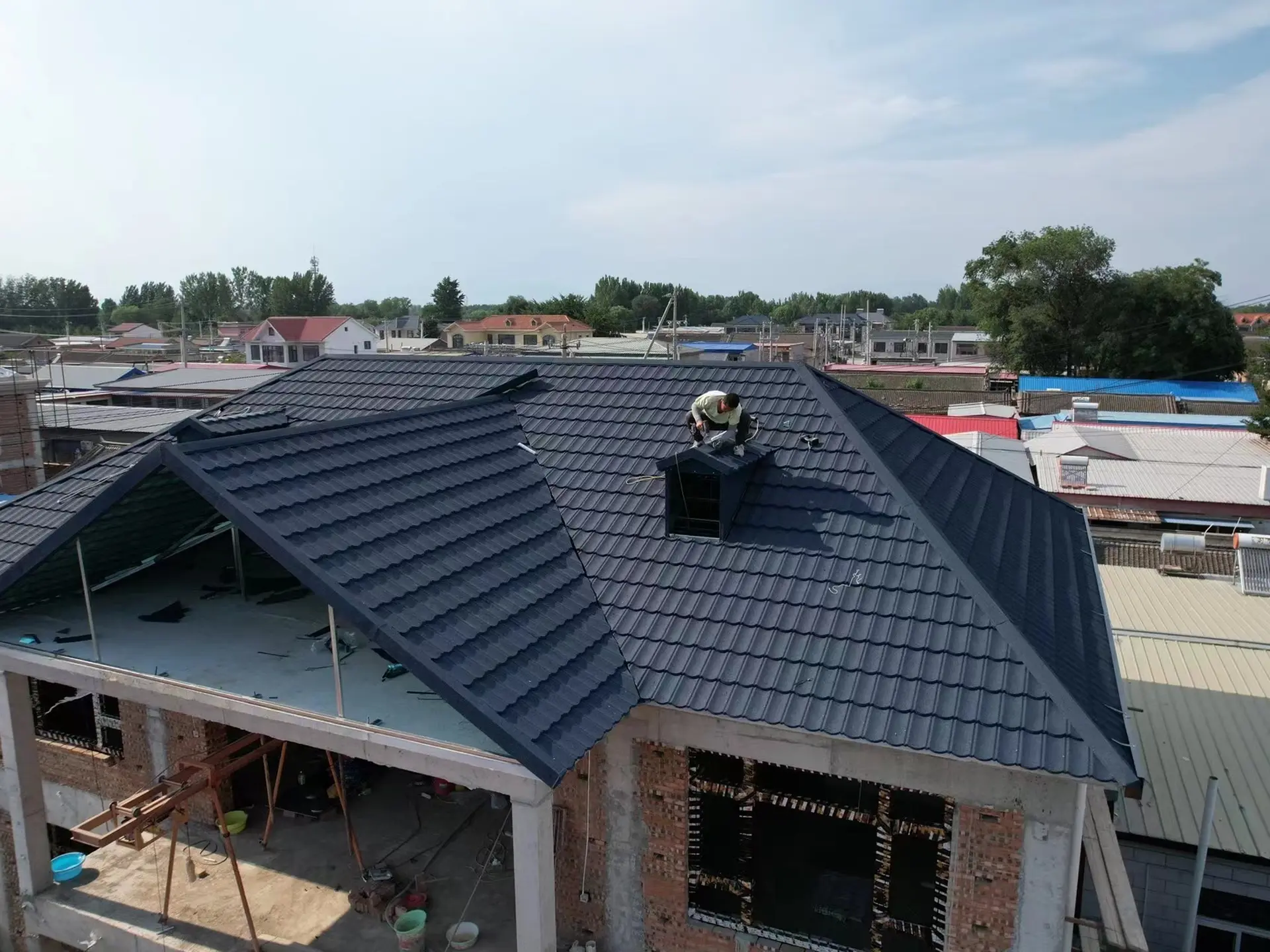
Because roofing shingles overlap during installation, the usable coverage area is smaller than the physical dimensions.
For example:
- A tile measuring 1340 mm × 420 mm may only provide an effective coverage area of approximately 0.45–0.50 square meters.
This overlap is critical for:
- Waterproofing
- Wind resistance
- Structural stability
Professional roofing contractors always calculate projects using effective coverage rather than actual tile dimensions.
Stone Roof Shingle Thickness Introduction
Besides length and width, thickness also plays a major role in roofing performance.
Common Thickness Range
Stone-coated roofing shingles are commonly manufactured using steel thicknesses between:
- 0.35 mm
- 0.40 mm
- 0.45 mm
- 0.50 mm
- 0.55 mm
Commercial and export-grade roofing systems usually use:
- 0.40–0.50 mm aluminum-zinc steel
At ROOFGLORY, we typically recommend thicker roofing materials for:
- Coastal regions
- High wind areas
- Heavy snowfall zones
- Commercial buildings
- Hurricane-prone markets
Weight Per Roofing Tile
Roof tile size directly affects roof weight.
Average stone-coated steel shingles weigh approximately:
- 2.3–3.3 kg per tile
Compared with traditional concrete or clay tiles, stone-coated roofing systems are significantly lighter.
Comparison with Traditional Roofing
| Roofing Material | Average Weight |
|---|---|
| Clay Tile | 40–60 kg/m² |
| Concrete Tile | 45–70 kg/m² |
| Asphalt Shingles | 10–15 kg/m² |
| Stone-Coated Steel Roofing | 6–8 kg/m² |
The lightweight structure reduces:
- Roof frame stress
- Transportation cost
- Installation difficulty
This is especially important for large commercial roofing projects.
Popular Stone Roof Shingle Profiles and Sizes
Different roofing profiles have unique dimensions and visual styles.
Bond Tile Profile
Bond tile is one of the most popular stone-coated roofing profiles globally.
Typical Size
- Length: 1340 mm
- Width: 420 mm
- Effective Coverage: 0.48–0.50 m²
Bond tiles are widely used in:
- Residential villas
- Commercial projects
- Hotels
- Schools
Their wave design improves water drainage performance.
Shingle Tile Profile
Shingle-style roofing is designed to imitate traditional asphalt shingles.
Typical Size
- Length: 1320–1400 mm
- Width: 360–400 mm
This profile is especially popular in:
- North America
- Europe
- Luxury residential construction
Shingle profiles create a clean and modern roof appearance.
Shake Tile Profile
Shake roofing replicates natural cedar wood shakes.
Typical Size
- Length: 1340 mm
- Width: 370–400 mm
These roofing systems are commonly used in:
- Resorts
- Mountain villas
- Premium residential projects
Roman Tile Profile
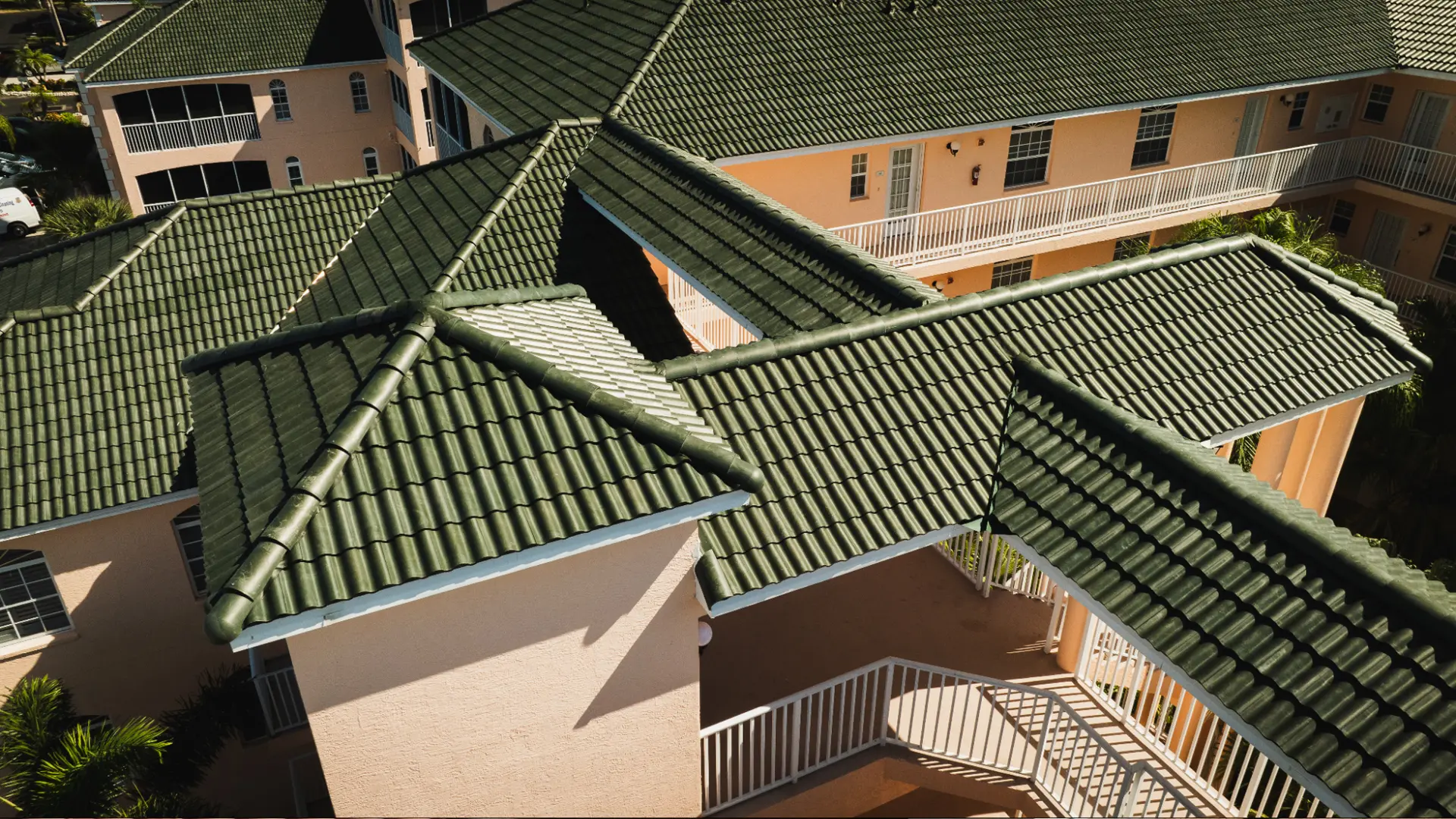
Roman tiles provide a Mediterranean architectural appearance.
Typical Size
- Length: 1340 mm
- Width: 400–420 mm
Roman profiles are highly popular in:
- Middle East markets
- Mediterranean regions
- Luxury commercial buildings
Roof Pitch and Tile Size Relationship
Roof slope directly affects roofing tile selection.
Low-Slope Roofs
For lower roof pitches:
- Larger overlap areas are recommended
- Smaller exposure size improves waterproofing
Steep Roofs
For steeper roofs:
- Larger visible tile exposure improves aesthetics
- Faster water runoff allows more design flexibility
At ROOFGLORY, we assist clients in matching roofing tile size with roof pitch requirements for maximum weather resistance.
Installation Impact of Roof Tile Size
Roofing dimensions directly influence installation speed and labor costs.
Larger Tiles
Advantages:
- Faster installation
- Fewer seams
- Reduced labor time
Disadvantages:
- More difficult handling
- Slightly higher wind uplift exposure
Smaller Tiles
Advantages:
- Easier installation on complex roofs
- Better adaptation to curved structures
Disadvantages:
- Longer installation time
- More fasteners required
Professional contractors usually select tile size based on project complexity and local weather conditions.
Wind Resistance and Tile Dimensions
Wind uplift performance is heavily influenced by:
- Tile overlap
- Fastening points
- Interlocking structure
- Tile dimensions
Smaller exposed areas generally improve:
- Hurricane resistance
- Storm durability
Stone-coated roofing systems from ROOFGLORY are engineered to withstand extreme weather conditions while maintaining structural stability.
Regional Size Preferences
Roofing size demand varies significantly by region.
Africa Market
Popular preferences:
- Larger tile coverage
- Faster installation
- Cost-efficient dimensions
North America
Preferred roofing styles:
- Shingle profiles
- Shake profiles
Common focus:
- Aesthetic appearance
- Residential compatibility
Southeast Asia
Important considerations:
- Heavy rainfall resistance
- Heat reflection
- Corrosion protection
Middle East
Popular roofing characteristics:
- Roman-style profiles
- Heat-resistant coatings
- Larger roofing formats
Stone Granule Coating and Tile Dimensions
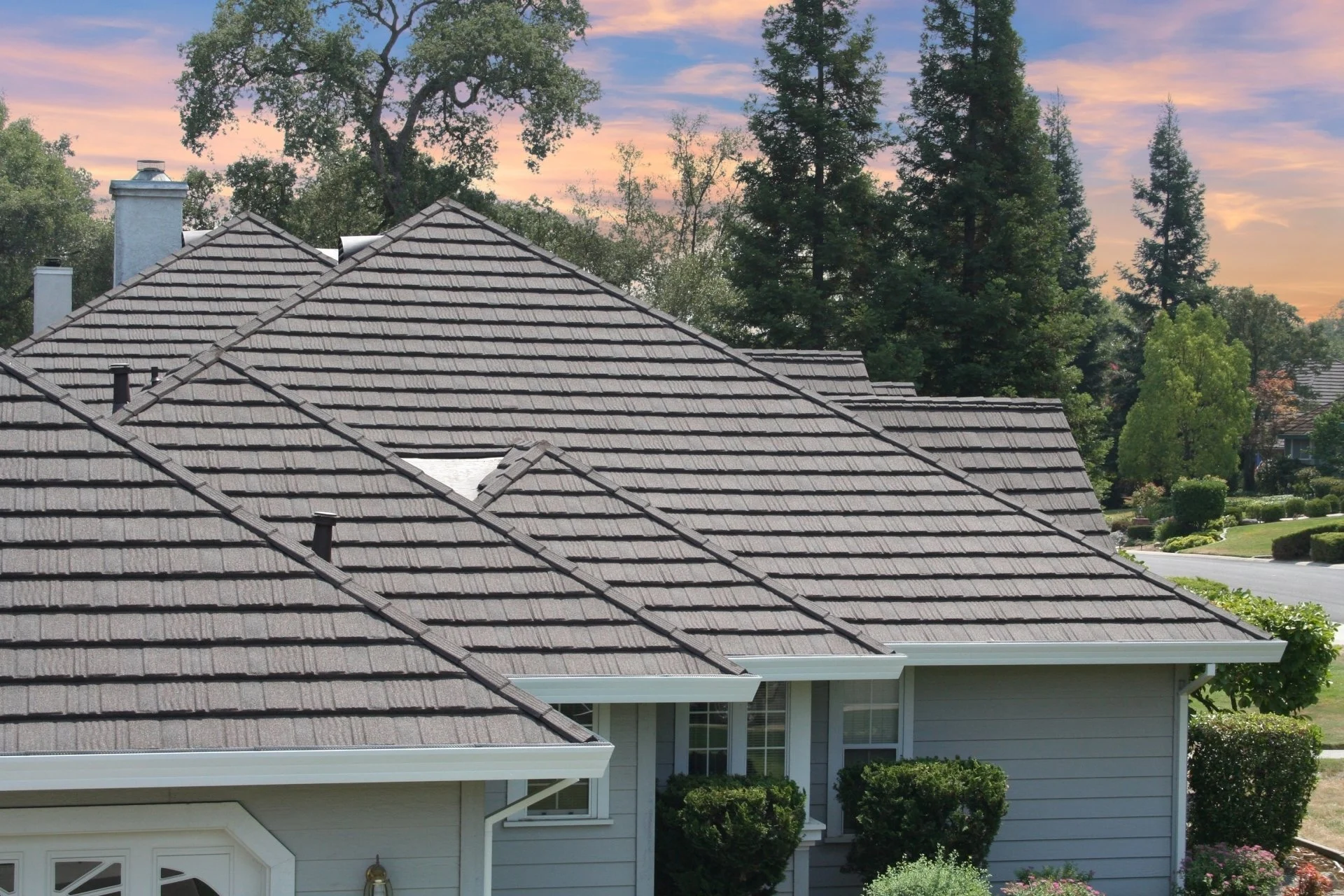
Stone granules not only improve appearance but also influence roofing dimensions slightly.
Granule coating contributes to:
- UV resistance
- Surface texture
- Anti-slip performance
- Noise reduction
Higher-quality granule systems maintain stable dimensions over long-term thermal expansion cycles.
Packaging and Container Loading
Roofing size directly affects export logistics.
Standard Container Loading
Typical loading quantities:
| Container Type | Approximate Quantity |
|---|---|
| 20FT Container | 2000–2500 pcs |
| 40HQ Container | 9000–11000 pcs |
Efficient tile dimensions improve:
- Shipping efficiency
- Warehouse storage
- Installation logistics
As a professional exporter, ROOFGLORY provides optimized container loading solutions for global distributors and project contractors.
Choosing the Right Stone Roof Shingle Size
Selecting the ideal roofing size depends on multiple factors.
Building Type
Commercial projects may prioritize:
- Faster installation
- Larger effective coverage
Luxury residential projects may prioritize:
- Architectural appearance
- Detailed roofing texture
Climate Conditions
Areas with:
- Heavy rainfall
- Snow
- Hurricanes
often require smaller exposure sizes and stronger overlap structures.
Budget and Labor Costs
Larger tiles generally reduce labor expenses because fewer tiles are required per square meter.
Why More Contractors Are Choosing Stone-Coated Roofing
The global roofing industry is increasingly shifting toward stone-coated steel roofing because it combines:
- Long lifespan
- Lightweight structure
- Fast installation
- Modern appearance
- Superior weather resistance
Compared with traditional roofing materials, stone-coated shingles provide better long-term ROI for both contractors and property developers.
ROOFGLORY Stone Roof Shingles
At ROOFGLORY, we manufacture premium stone-coated steel roofing systems for global B2B clients.
Our advantages include:
- Professional export experience
- Stable production capacity
- Strict quality control
- Multiple profile options
- Customized roofing colors
- International standard manufacturing
Our factory in Linyi, Shandong, China supplies roofing materials for distributors, wholesalers, contractors, and project developers worldwide.
You can explore our roofing systems and request quotations directly through:
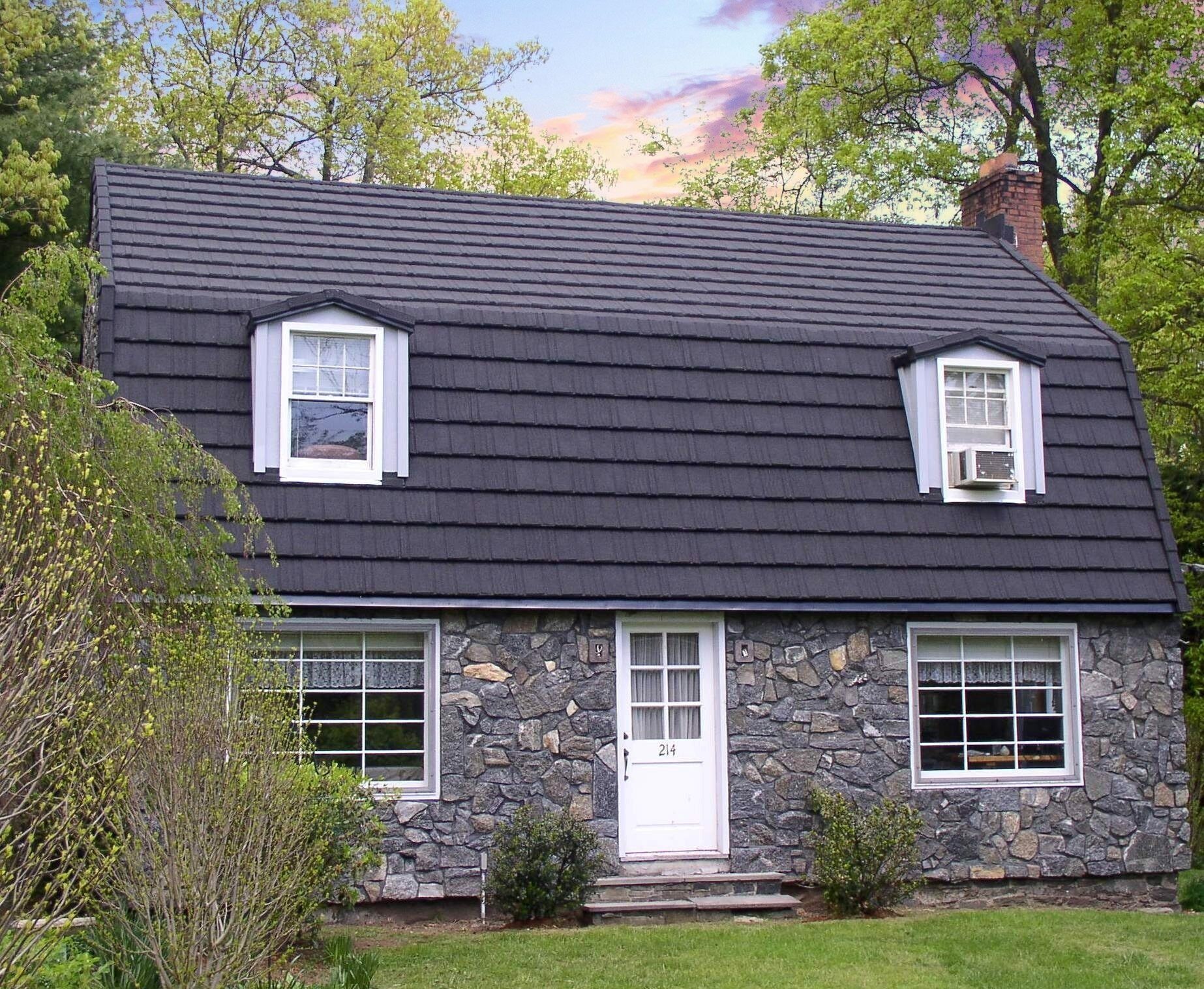
Future Trends in Roofing Sizes and Profiles
The roofing market continues evolving toward:
- Larger effective coverage areas
- Lightweight roofing systems
- Improved interlocking structures
- Faster installation designs
- Better energy efficiency
Manufacturers are also developing:
- More precise tile dimensions
- Improved wind resistance systems
- Enhanced installation compatibility
As global construction standards improve, professional roofing systems like stone-coated steel roofing will continue expanding across international markets.
Conclusion
Understanding stone roof shingles size is essential for selecting the right roofing system for commercial, industrial, and residential projects. Roofing dimensions affect everything from installation speed and weather resistance to transportation efficiency and architectural appearance.
Modern stone-coated steel roofing combines lightweight performance, long-term durability, and elegant aesthetics, making it one of the fastest-growing roofing solutions in the global market.
At ROOFGLORY, we provide high-quality stone-coated roofing systems manufactured in Linyi, Shandong, China, supporting contractors, distributors, and developers worldwide with reliable roofing solutions tailored for modern construction projects.
For roofing specifications, product catalogs, or project consultation, visit: