Introduction: The Evolution of Roofing Technology
In the competitive landscape of modern construction, roofing systems have evolved from simple protective coverings to sophisticated engineered assemblies that deliver exceptional performance, aesthetic versatility, and long-term value. Among the most significant advancements in roofing technology is the development of interlocking roof tiles—a system that transforms individual roofing components into a unified, continuous membrane through precision-engineered mechanical connections.
For building professionals—developers, architects, contractors, and importers—interlocking roof tiles represent a strategic choice that addresses the limitations of traditional roofing materials while introducing new performance capabilities. Unlike conventional systems that rely primarily on gravity, overlap, and exposed fasteners for weather protection, interlocking tiles create positive mechanical engagement between adjacent units. This fundamental design difference yields advantages across every dimension that matters to construction professionals: weather resistance, installation efficiency, durability, and long-term value.
At ROOFGLORY, we manufacture interlocking roof tiles at our advanced facility in Linyi, Shandong, China. Our systems combine precision-engineered steel substrates with durable stone coatings to create roofing products that deliver exceptional performance across residential, commercial, and hospitality applications. This comprehensive guide explores the features, benefits, and practical considerations of interlocking roof tiles, providing building professionals with the information needed to make informed specification decisions.
Understanding Interlocking Roof Tile Technology
The Interlocking Mechanism Explained
The defining characteristic of interlocking roof tiles is the precision-engineered connection system along their edges. These connections create positive mechanical engagement between adjacent tiles, forming a continuous, integrated roofing membrane rather than a collection of separate components.
The interlocking design serves multiple critical functions:

Weather Sealing: The overlapping interlock creates a labyrinth path that water must navigate to penetrate the roof assembly. This multi-barrier approach provides redundancy that single-layer systems cannot match.
Wind Resistance: Mechanical engagement distributes wind uplift forces across multiple tiles, preventing the progressive dislodgement that can compromise conventional roofing during severe storms.
Self-Alignment: The interlock guides proper positioning during installation, reducing the variables that can affect long-term performance and ensuring consistent appearance.
Thermal Movement Accommodation: Engineered clearances within the interlock allow individual tiles to expand and contract with temperature changes without compromising the weather-tight seal or stressing the attachment points.
Load Distribution: Connections transfer snow, wind, and live loads to the supporting structure through the integrated assembly, reducing stress on individual fasteners.
Component Types
A complete interlocking roof tile system includes several component types that work together to create a unified roof assembly:
Field Tiles: The standard tiles covering the majority of the roof area, available in various profiles including shake, shingle, Mediterranean, and tile designs.
Starter Tiles: Specialized tiles installed at the eaves to establish the first course and provide proper water runoff. These may be modified field tiles or purpose-manufactured components.
Ridge and Hip Tiles: Components that cap the ridges and hips, providing weather protection at these critical junctions while completing the aesthetic appearance.
Valley Flashing: Metal flashings that manage water flow in roof valleys, typically integrated with the tile field for continuous protection.
Penetration Flashings: Specialized flashings around chimneys, vents, and other roof penetrations that maintain the weather-tight integrity of the interlocking system.
Material Construction
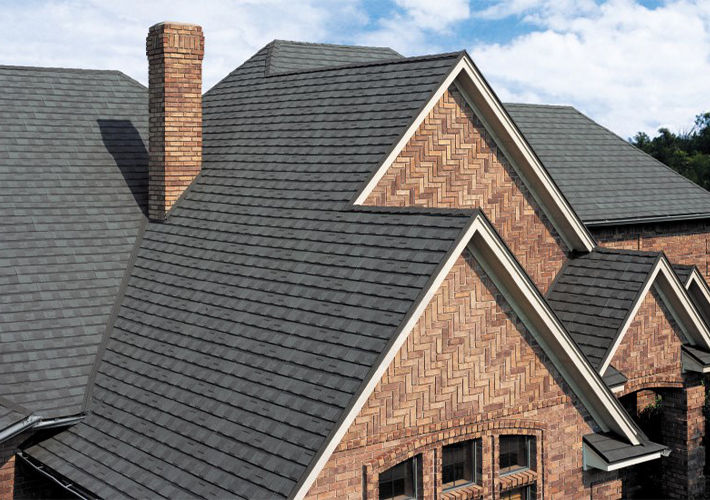
Premium interlocking roof tiles utilize stone-coated steel construction that combines the strength of metal with the aesthetic appeal of traditional materials:
Steel Substrate: High-strength steel forms the structural backbone, treated with aluminum-zinc alloy coatings for exceptional corrosion resistance. The gauge varies by application, typically ranging from 0.30mm to 0.55mm.
Stone Coating: Natural stone granules are permanently bonded to the steel surface through advanced sintering processes, providing UV protection, impact resistance, and aesthetic character.
Protective Finish: Multiple layers of specialized coatings encapsulate the stone granules and steel substrate, creating a unified system that resists weathering, fading, and environmental degradation.
Key Benefits of Interlocking Roof Tiles
Exceptional Weather Resistance
The interlocking design provides superior protection against the elements that challenge conventional roofing systems:
Wind Uplift Resistance: The mechanical engagement between tiles resists the lifting forces that can dislodge individual shingles or tiles. Interlocking systems routinely withstand wind speeds that would compromise conventional roofing.
Water Penetration Prevention: The labyrinth path created by the interlock, combined with the water-shedding properties of the stone-coated surface, provides exceptional protection against wind-driven rain.
Impact Resistance: The stone coating and steel substrate protect against hail and falling debris that can damage asphalt shingles or crack clay tiles.
Fire Resistance: As non-combustible assemblies, interlocking roof tiles provide the highest levels of fire protection available in roofing materials.
Installation Efficiency
Interlocking roof tiles are designed for efficient installation, reducing labor costs and project timelines:
Self-Aligning Design: The interlock guides proper positioning, reducing installation errors and ensuring consistent appearance without extensive measuring.
Lightweight Construction: Stone-coated steel tiles weigh approximately one-tenth as much as clay or concrete alternatives, simplifying handling and reducing structural requirements.
Standard Tool Compatibility: Most cutting and fitting can be accomplished with standard metalworking tools, eliminating the need for specialized equipment.
Predictable Coverage: Consistent dimensions and interlocking engagement allow accurate material estimation and efficient layout.
Long-Term Durability
The combination of steel construction and stone coating delivers exceptional service life:
Service Life: Properly installed interlocking roof tiles typically last 50 years or more—two to three times the lifespan of conventional asphalt shingles.
Corrosion Resistance: Aluminum-zinc alloy coatings protect the steel substrate from rust, even in coastal environments.
Color Stability: The stone coating resists UV fading, maintaining its appearance through decades of sun exposure.
Minimal Maintenance: Unlike wood shakes that require periodic treatment or asphalt shingles that lose granules, interlocking systems require only routine inspections and debris removal.

Aesthetic Versatility
Interlocking roof tiles are available in profiles that replicate traditional roofing materials:
Shake Profiles: Capture the rustic beauty and architectural detail of hand-split cedar shakes.
Shingle Profiles: Achieve the distinctive shadow lines of traditional asphalt shingles.
Tile Profiles: Replicate the elegance of Mediterranean and Old-World clay tiles.
Villa Profiles: Recreate the vivid detail of Italian and Spanish architectural traditions.
Color palettes range from traditional terracotta reds and Mediterranean ochres to contemporary grays, greens, and earth tones, enabling design flexibility across architectural styles.
Applications Across Project Types
Residential Construction
Interlocking roof tiles serve the full spectrum of residential projects:
Custom Luxury Homes: Premium profiles and color options enhance architectural distinction and property value.
Production Housing: Installation efficiency and cost-effectiveness support volume building while providing durability that reduces warranty claims.
Renovation Projects: Lightweight design often allows overlay installation over existing roofing, reducing disruption and disposal costs.
Multi-Family Developments: Durability and low maintenance make interlocking tiles ideal for apartment buildings and condominium complexes.
Commercial and Hospitality
For commercial projects, interlocking roof tiles deliver both performance and aesthetic appeal:
Hotels and Resorts: Mediterranean and tile profiles create distinctive identity and luxury appeal that enhances guest experience and property positioning.
Retail Centers: Professional appearance with low maintenance requirements reduces operational expenses.
Office Buildings: Clean aesthetics that project quality and stability while protecting the building investment.
Restaurants and Entertainment Venues: Design flexibility allows creation of distinctive architectural character that supports brand identity.
Institutional and Public Buildings
Institutional projects benefit from the longevity and reliability of interlocking roof tiles:
Schools and Universities: Durability minimizes disruption to educational activities, while safety characteristics protect students and staff.
Healthcare Facilities: Non-combustible construction and low maintenance requirements support infection control and operational continuity.
Government Buildings: Long-term performance protects public investment and reduces ongoing maintenance budgets.
Religious Structures: Aesthetic versatility allows replication of traditional materials while providing modern performance.
Installation Considerations
Preparation Requirements
Proper installation begins with thorough preparation:
Deck Inspection: Verify that the roof deck is structurally sound, clean, and dry. Address any areas of damage or deterioration before proceeding.
Underlayment Installation: Install high-quality synthetic underlayment according to manufacturer specifications, with proper overlaps at eaves, ridges, and valleys.
Ventilation Verification: Ensure adequate attic ventilation to prevent moisture accumulation and excessive heat buildup that could affect tile performance.
Flashing Preparation: Install valley, step, and penetration flashings before beginning tile installation.
Installation Sequence
The installation process follows a logical sequence:
Starter Course: Install starter tiles along the eaves, establishing straight alignment and proper overhang for water shedding.
Field Installation: Working from eaves to ridge, install field tiles with proper interlock engagement. Verify alignment regularly using chalk lines.
Cutting and Fitting: Cut tiles as needed at rakes, valleys, and penetrations using appropriate tools. Treat cut edges with manufacturer-approved touch-up paint.
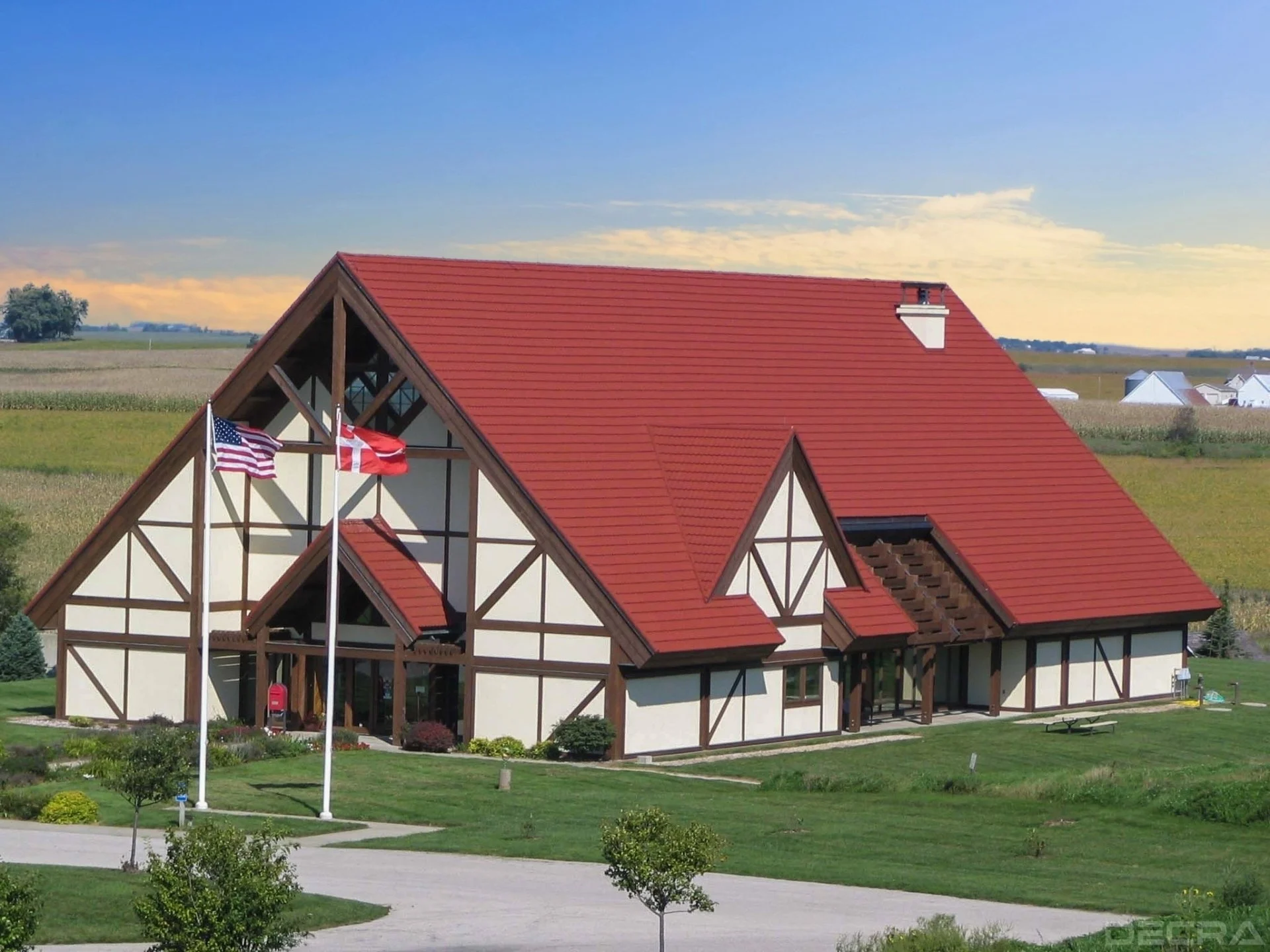
Ridge and Hip Installation: Complete the roof by installing ridge and hip tiles with proper overlap and sealing.
Quality Verification
Post-installation verification ensures long-term performance:
Alignment Check: Verify that all courses are straight and tiles are properly aligned.
Interlock Engagement: Confirm that all interlocking connections are fully engaged.
Fastener Verification: Ensure that fasteners are installed at correct locations and depth.
Flashing Integration: Verify that valley, ridge, and penetration flashings are properly integrated with the tile field.
Economic Value and Return on Investment
Initial Investment Considerations
The initial cost of interlocking roof tiles reflects their premium quality and performance capabilities. Material costs vary based on steel gauge, profile complexity, and coating specifications. Installation costs depend on roof complexity, pitch, and regional labor rates.
While the upfront investment exceeds that of basic asphalt shingles, the extended service life and minimal maintenance requirements create compelling long-term value.
Lifecycle Cost Analysis
When evaluated over a 50-year building lifespan, interlocking roof tiles demonstrate exceptional economic efficiency:
Avoided Replacement Costs: Eliminating the two to three replacement cycles required for conventional materials represents substantial capital savings.
Reduced Maintenance Expenditure: Minimal ongoing maintenance reduces operational expenses compared to materials requiring periodic treatment or frequent repairs.
Insurance Savings: Many insurers offer premium reductions for impact-resistant, non-combustible roofing.
Energy Efficiency: Cool roof capabilities reduce cooling loads, lowering utility costs in warm climates.
Property Value Enhancement: Quality roofing enhances property appreciation and marketability.
Sustainability and Environmental Benefits
Material Sustainability
Interlocking roof tiles incorporate sustainable material practices:
Recycled Content: Steel substrates typically contain significant percentages of recycled material, reducing embodied carbon.
Natural Materials: Stone granules are natural minerals requiring minimal processing.
Non-Toxic Construction: No biocides, fungicides, or chemical preservatives are required.
Operational Efficiency
During service life, interlocking roof tiles contribute to building energy performance:
Cool Roof Capabilities: Reflective properties reduce cooling loads and associated carbon emissions.
Thermal Mass: Stone coating moderates temperature fluctuations, reducing HVAC cycling.
Urban Heat Island Mitigation: Cool roofing reduces contribution to elevated ambient temperatures in developed areas.
End-of-Life Management
At end of life, interlocking roof tiles support circular economy principles:
Steel Recyclability: The steel substrate is 100 percent recyclable through established recovery infrastructure.
Stone Repurposing: Stone granules can be used as aggregate or fill material.
Waste Reduction: Extended service life eliminates replacement cycles and associated waste generation.
Technical Support and Quality Assurance
ROOFGLORY Manufacturing Excellence
Our interlocking roof tiles are manufactured at our facility in Linyi, Shandong, China, with rigorous quality control throughout the production process:
Precision Forming: Advanced roll-forming equipment ensures consistent dimensions and interlock geometry.
Coating Application: Automated coating systems provide uniform coverage and adhesion.
Quality Verification: Each production batch undergoes testing for dimensional accuracy, coating adhesion, and color consistency.
Comprehensive Documentation
We provide building professionals with the technical resources needed for successful specification and installation:
Installation Manuals: Detailed instructions for all product profiles and application conditions.
Specification Guides: Comprehensive specifications for inclusion in project documents.
CAD Details: Drawings for common roof conditions and transitions.
Test Data: Independent verification of wind uplift, impact resistance, and fire performance.
Conclusion: The Professional Choice
Interlocking roof tiles represent the convergence of engineering excellence, aesthetic versatility, and long-term value that building professionals demand. Their precision interlocking design delivers superior weather resistance and installation efficiency, while stone-coated steel construction provides exceptional durability and minimal maintenance requirements.
For developers, this means projects that deliver lasting value and market appeal. For architects, it means design freedom without performance compromise. For contractors, it means efficient installation and satisfied clients. For importers, it means products that meet the quality expectations of discerning markets.
At ROOFGLORY, our interlocking roof tiles are engineered to deliver these benefits consistently and reliably. From our facility in Linyi, Shandong, we supply roofing systems that protect properties and enhance projects for decades to come.
To explore how ROOFGLORY interlocking roof tiles can benefit your next project, we invite you to contact our technical team for product specifications, samples, and project consultation.
Discover ROOFGLORY interlocking roof tile solutions:
-
Product Collections: Explore our complete range of interlocking roof tile profiles and colors
-
Technical Resources: Access installation manuals, specifications, and CAD details
-
Project Gallery: View completed installations across residential, commercial, and hospitality applications
-
Request Samples: Evaluate product quality and appearance firsthand
-
Contact Our Team: Discuss your specific project requirements with our technical experts