Introduction: The Economics of Roofing Decisions
For developers, contractors, and building owners, the selection of a roofing system represents one of the most consequential financial decisions in any construction project. The choice between modern interlocking roof tiles and traditional materials such as clay tiles, asphalt shingles, or natural slate extends far beyond aesthetic preferences, fundamentally shaping project budgets, maintenance schedules, and long-term return on investment. As the construction industry continues to evolve toward materials that offer both performance excellence and economic efficiency, understanding the comprehensive cost implications of these options has never been more critical.
ROOFGLORY interlocking roof tiles, manufactured at our advanced facility in Linyi, Shandong, China, represent a sophisticated evolution in roofing technology that directly addresses the cost concerns of professional builders. By combining precision-engineered steel substrates with durable stone coatings, these systems deliver exceptional value across the entire building lifecycle. This analysis provides a detailed examination of how interlocking roof tiles compare with traditional materials across multiple financial dimensions—from initial installation through decades of service—equipping building professionals with the data needed to make informed, strategic specifications.
Understanding the Material Landscape
Before examining costs, it is essential to understand the fundamental characteristics of the roofing materials under consideration. Each category possesses distinct properties that influence both its upfront pricing and long-term economic profile.
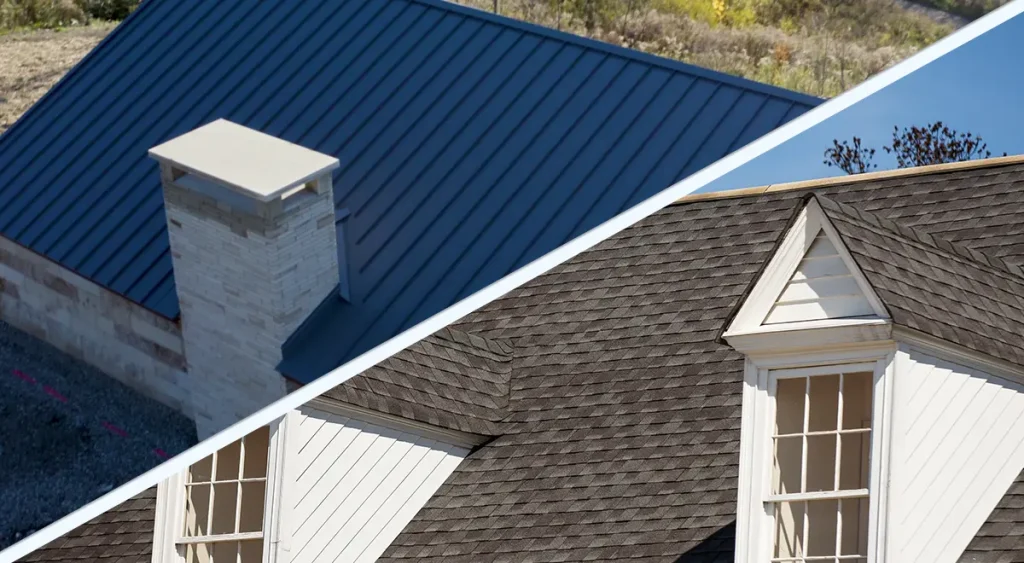
Interlocking Roof Tiles: Modern interlocking systems, such as those produced by ROOFGLORY, consist of precision-formed steel panels coated with protective metallic layers and embedded with natural stone granules. The defining characteristic is the engineered connection system that creates positive mechanical engagement between adjacent tiles, forming a continuous, weather-resistant membrane. Available in profiles that replicate traditional materials—including Shake, Shingle, Villa Tile, and Tile designs—these systems offer aesthetic versatility alongside structural performance.

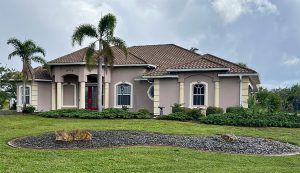
Clay and Concrete Tiles: Among the oldest roofing materials, clay and concrete tiles are celebrated for their longevity and distinctive Mediterranean or Spanish Colonial aesthetic. They are heavy, requiring substantial structural support, and are installed as individual units that rely on gravity and overlap rather than mechanical interconnection for weather protection.
Asphalt Shingles: The dominant residential roofing material in many markets, asphalt shingles consist of a fiberglass mat saturated with asphalt and coated with mineral granules. They offer low upfront costs but comparatively short service lives, typically requiring replacement every 15 to 25 years.
Natural Slate: The premium tier of traditional roofing, natural slate offers exceptional longevity measured in centuries. However, its extraordinary weight, specialized installation requirements, and escalating material costs place it in a category accessible primarily for high-budget historical or luxury projects.
Upfront Costs: Initial Investment Analysis
The initial cost of a roofing system encompasses material procurement, transportation, and installation labor. This upfront investment varies dramatically across material categories and represents the most visible point of comparison.
Interlocking Roof Tiles occupy a strategic mid-to-premium position in upfront pricing. The precision manufacturing required to create authentic profiles and reliable interlocking mechanisms results in material costs that exceed basic asphalt shingles but remain competitive with premium traditional materials. A significant advantage emerges in installation economics. The lightweight nature of steel tiles—typically weighing 2.5 to 4.5 kilograms per square meter—simplifies handling and reduces labor requirements. The interlocking design guides proper placement, accelerating installation compared to individually placed clay or slate tiles. For commercial and large residential projects, this installation efficiency can reduce total project costs by 15-25% compared to traditional heavy materials when factoring labor savings.
Clay and Concrete Tiles command material costs that vary significantly based on origin, finish, and profile complexity. Imported clay tiles, particularly those from European manufacturers, represent substantial investments. The overwhelming weight of these materials—often exceeding 40-60 kilograms per square meter—necessitates reinforced structural framing, adding significant expense to the overall building cost. Installation is labor-intensive and slow, with experienced tilers commanding premium wages, further elevating the upfront investment.
Asphalt Shingles offer the lowest initial material costs in the roofing marketplace. Their widespread availability and simple installation contribute to competitive upfront pricing. However, this low barrier to entry masks the total cost implications over the building’s lifespan. Installation costs are moderate, with standard residential projects proceeding relatively quickly, but the material’s inherent limitations become apparent in the long-term financial analysis.
Natural Slate represents the highest tier of initial investment. Premium material costs, substantial structural reinforcement requirements, and specialized labor combine to create upfront expenditures that can exceed other options by a factor of three to five. For projects with unlimited budgets and requirements for historical authenticity, slate remains unmatched, but its economic accessibility is limited.
Long-Term Value: Durability and Maintenance Economics
While upfront costs provide the initial data point for budget development, the true economic picture emerges when evaluating performance over time. This is where interlocking roof tiles demonstrate their most compelling financial advantages.
Interlocking Roof Tiles are engineered for service lives typically extending 50 years or more, with many installations performing effectively for decades beyond this benchmark. The combination of corrosion-resistant steel substrates and durable stone coatings creates a system that withstands the elements that degrade other materials. Maintenance requirements are minimal, consisting primarily of periodic visual inspections and gutter cleaning. The modular design allows for targeted repair of individual tiles if damage occurs, avoiding the expense of large-scale replacements. When the life cycle cost is calculated—initial investment plus maintenance over 50 years—interlocking systems consistently demonstrate the lowest annualized cost among premium roofing options.
Clay and Concrete Tiles offer impressive longevity, with properly maintained installations often exceeding 50 years. However, their durability comes with caveats. Individual tiles are brittle and susceptible to breakage from impact or foot traffic, necessitating careful maintenance access and occasional replacements. The underlying structure remains vulnerable to water infiltration if underlayment fails, and repairs require matching existing tiles—a challenge as production runs change over decades. The substantial weight continues to stress the building structure throughout its life, a consideration often overlooked in initial cost analyses.
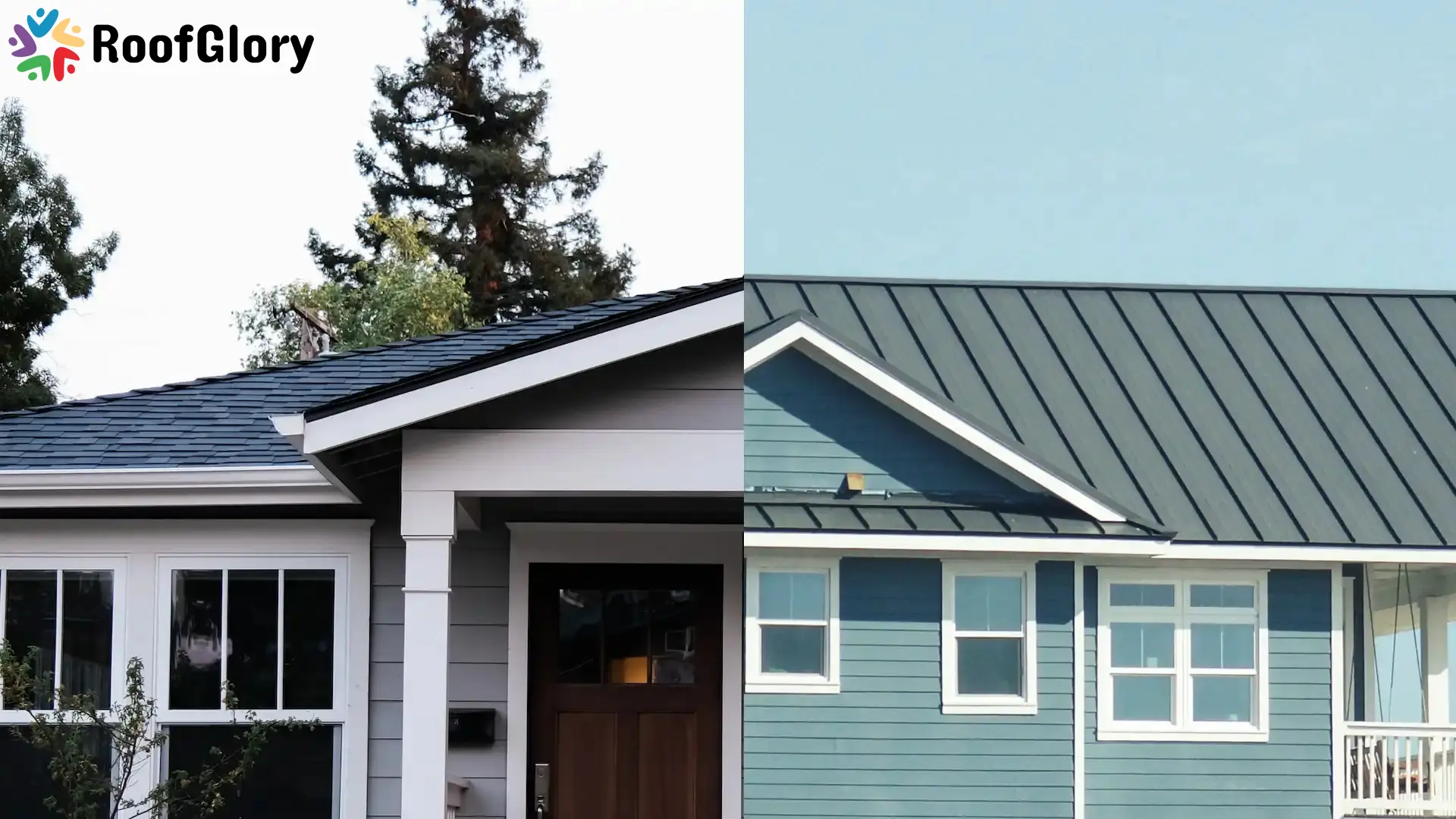
Asphalt Shingles present the least favorable long-term economics among common roofing materials. With typical service lives of 15 to 25 years, a building will require two to three complete roof replacements over a 50-year period. Each replacement incurs material costs, labor expenses, and disposal fees for the old roofing. When these recurring costs are aggregated, the total 50-year investment in asphalt shingles frequently exceeds that of premium interlocking systems that were installed once. Additionally, asphalt shingles are vulnerable to wind damage, granule loss, and algae growth, generating ongoing maintenance expenses and potential insurance claims.
Natural Slate offers the ultimate longevity, with installations lasting 100 years or more. However, its maintenance requirements are significant. Individual slates require replacement by skilled craftsmen, and the complex roof details demand specialized knowledge that is increasingly rare. The initial investment is so substantial that even extended service lives may not yield favorable economic comparisons for most commercial applications.
Energy Performance and Operational Savings
Beyond durability and maintenance, the operational performance of roofing materials significantly influences total cost of ownership through energy consumption patterns.
Interlocking Roof Tiles from ROOFGLORY incorporate advanced coating technologies that can be formulated for high solar reflectance, particularly in lighter color options. This “cool roof” capability reduces heat absorption, lowering cooling loads in warm climates by 10-25% compared to conventional dark roofs. The thermal mass of the stone coating moderates temperature fluctuations, contributing to consistent interior conditions. For commercial buildings with substantial cooling demands, these energy savings translate directly to reduced operating expenses, improving net operating income and property valuation.
Clay and Concrete Tiles offer moderate thermal performance, with their mass providing some thermal lag benefits. However, their dark colors typical of traditional aesthetics absorb significant solar radiation, potentially increasing cooling loads. The heavy weight limits opportunities for above-sheathing ventilation strategies that could improve thermal performance.
Asphalt Shingles generally offer poor thermal performance. Dark colors dominate the market, absorbing heat and transferring it to the building interior. The thin construction provides minimal insulation value, and the surface temperatures can exceed 150 degrees Fahrenheit (65 degrees Celsius) on hot days, dramatically increasing attic temperatures and cooling demands.
Natural Slate provides thermal mass benefits similar to clay but with the same dark color absorption challenges. Its weight limits ventilation strategies, and its premium cost rarely justifies energy considerations as a primary selection criterion.
Return on Investment Analysis
For building professionals advising clients or making their own investment decisions, the concept of return on investment (ROI) provides a framework for comparing materials across their full economic impact.
Interlocking Roof Tiles deliver compelling ROI through multiple mechanisms. The extended service life eliminates cyclical replacement costs, representing the most significant factor. Energy savings contribute ongoing operational benefits that accumulate over time. Enhanced property value—attributable to both aesthetic appeal and documented durability—provides additional returns at sale or refinancing. Insurance premium reductions in regions prone to fire, wind, or hail further enhance the financial picture. When modeled over a 30-year holding period, interlocking systems frequently demonstrate internal rates of return exceeding 15-20% compared to lower-cost alternatives that require replacement.
Clay and Concrete Tiles offer good ROI for properties where their specific aesthetic is valued. The long service life avoids replacement costs, and the perceived quality can enhance property values. However, the high initial structural costs and weight-related limitations reduce overall returns compared to lighter, high-performance alternatives.
Asphalt Shingles provide acceptable ROI only for short holding periods. For investors planning to sell within 5-10 years, the low initial cost may align with their timeline. For long-term owners, the compounding replacement costs and lack of energy benefits produce negative long-term returns.
Natural Slate offers ROI primarily for historically designated properties or ultra-luxury markets where authenticity commands premium pricing. For most commercial applications, the extraordinary initial investment cannot be justified by economic returns alone.

Conclusion: Strategic Material Selection for Optimal Value
The comparison between interlocking roof tiles and traditional materials reveals that true cost is measured not in initial quotes but in comprehensive lifecycle value. While each material category occupies a legitimate position in the roofing marketplace, interlocking systems offer a uniquely balanced proposition for building professionals seeking to optimize both immediate project economics and long-term asset performance.
By combining the durability of steel with the aesthetic authenticity of stone coatings, ROOFGLORY interlocking roof tiles deliver the service life of premium traditional materials with the installation efficiency and operational benefits of modern engineering. For developers, contractors, and building owners committed to maximizing value over decades of building ownership, this synthesis represents a strategic specification that protects both capital investment and operational budgets.
To explore detailed cost comparisons for your specific project requirements and to receive a comprehensive quotation for ROOFGLORY interlocking roof tiles, we invite you to contact our technical team. Our experts provide personalized analysis based on your project parameters, ensuring optimal material selection for your unique application.
Begin your value analysis with these resources:
-
Product Specifications and Technical Data: Access detailed information on ROOFGLORY interlocking tile systems.
-
Request a Project Consultation: Speak directly with our team for personalized cost analysis and material recommendations.
-
Explore Design Options: Review our portfolio of profiles, including Shake, Shingle, Villa Tile, and Tile collections.
-
Installation Guidelines: Understand the efficiency advantages of interlocking systems for your project planning.