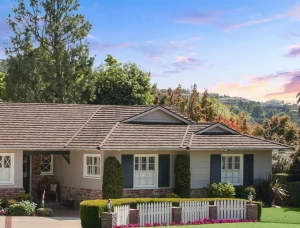
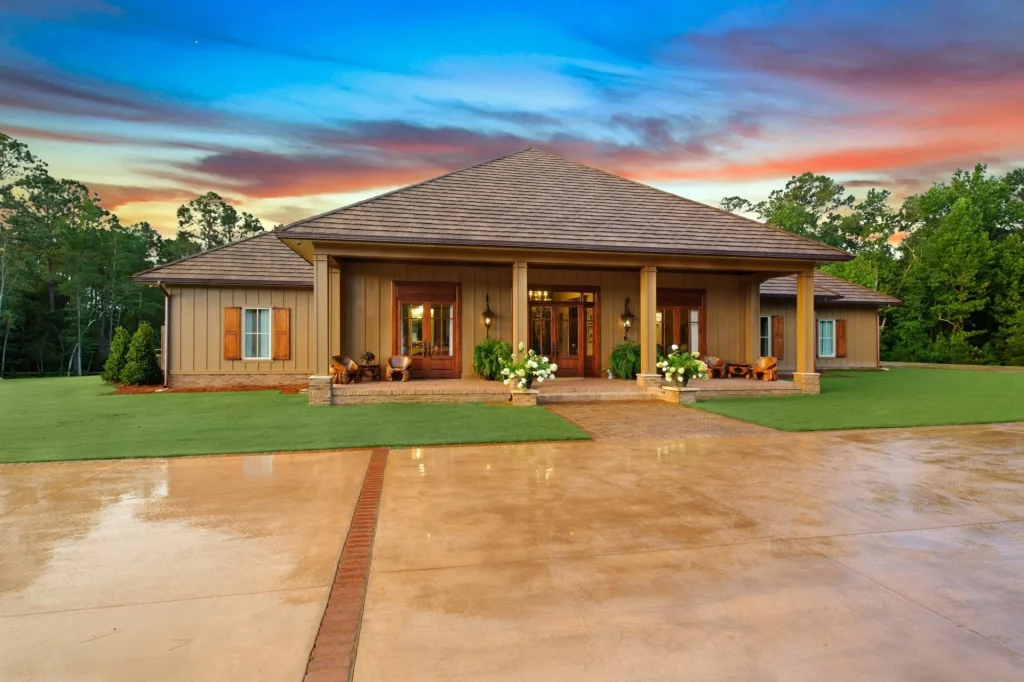
When it comes to roofing options, many homeowners face a choice between stone coated roofing tiles and more traditional roofing materials like clay tiles and concrete tiles. While traditional roofing materials have been used for centuries, stone coated roofing tiles offer several advantages that make them an appealing option for modern homes. In this article, we’ll explore how stone coated roofing tiles outperform traditional roofing materials in several key areas.
1. Durability Comparison: Stone Coated Tiles vs. Traditional Roofing
Stone Coated Roofing Tiles
Stone coated roofing tiles are made from a metal base, usually steel or aluminum, with a protective stone coating. This combination makes stone coated tiles highly durable and resistant to various environmental factors.
-
Impact Resistance: The stone coating adds an extra layer of protection, making these tiles resistant to hail, heavy winds, and debris. This makes them ideal for areas prone to storms or extreme weather conditions.
-
Lifespan: Stone coated roofing tiles can last 50 years or more, with proper maintenance, thanks to their strength and resistance to harsh elements.

Traditional Roofing Tiles (Clay & Concrete)
While clay and concrete tiles are known for their durability, they are typically more susceptible to cracks from impact or freezing and thawing cycles. Over time, they may require more maintenance or replacement, especially if they crack or chip.
-
Impact Resistance: Clay and concrete tiles are more likely to crack or break when exposed to hail or falling debris. They are not as resilient as stone coated tiles.
-
Lifespan: While clay and concrete tiles can last for several decades, their lifespan is generally shorter than that of stone coated roofing tiles, especially in extreme weather.
Winner: Stone Coated Roofing Tiles are generally more durable and long-lasting, especially in regions with harsh weather.
👉 Explore RoofGlory’s Stone Coated Roofing Tiles
2. Fire Resistance: Stone Coated Tiles Provide Extra Fire Protection
One of the key advantages of stone coated roofing tiles is their fire resistance. The stone coating is non-combustible, which adds a layer of fire protection to your home.
-
Stone Coated Roofing Tiles: These tiles provide superior fire protection. Since the metal base is already non-combustible, and the stone coating is fire-resistant, stone coated roofs prevent the spread of flames in case of fire. This makes them particularly beneficial in fire-prone areas or homes near wildlands.
-
Traditional Roofing Tiles: While clay and concrete tiles are naturally fire-resistant, their ability to protect in extreme fire conditions is limited compared to the added fire protection of stone coated tiles. Moreover, traditional materials like asphalt shingles, if used in conjunction with clay or concrete tiles, offer less fire resistance.
Winner: Stone Coated Roofing Tiles offer superior fire protection, making them a safer option for homeowners in fire-sensitive areas.
3. Corrosion Resistance: Stone Coated Tiles vs. Traditional Roofing
Stone Coated Roofing Tiles
The metal core of stone coated tiles, which is often galvanized steel or aluminum, is coated with stone granules. These stone granules not only provide an aesthetically pleasing finish but also act as a protective shield against the elements, ensuring that the metal underneath does not corrode or degrade over time.
-
Corrosion Resistance: The metal substrate is protected against rust, and the stone coating provides an additional layer of defense against the elements, particularly in coastal areas where salt air can cause corrosion.
Traditional Roofing Tiles (Clay & Concrete)
-
Clay Tiles: Clay tiles are naturally resistant to corrosion and are ideal for dry climates. However, they can degrade over time due to exposure to moisture, particularly in areas with high humidity or rain.
-
Concrete Tiles: Concrete tiles are prone to water absorption and can crack under freezing and thawing conditions. If not properly sealed, concrete tiles are susceptible to the growth of algae and mold, which can affect their longevity.
Winner: Stone Coated Roofing Tiles offer better overall corrosion resistance than both clay and concrete tiles, especially in coastal or humid climates.
4. Aesthetic Appeal: Stone Coated Tiles Offer Versatility
Stone Coated Roofing Tiles
Stone coated tiles provide a wide variety of design options. The stone granules come in various colors and finishes, mimicking the look of clay tiles, slate, or wood shakes. This gives homeowners the flexibility to choose a roof that matches their home’s architectural style while benefiting from the enhanced performance of a metal roof.
-
Customization: Homeowners can choose from various textures and colors, giving them more design flexibility than traditional roofing materials.
Traditional Roofing Tiles (Clay & Concrete)
-
Clay Tiles: Known for their classic appearance, clay tiles are often used for Spanish, Mediterranean, and Southwestern style homes. However, their color options are limited and fade over time.
-
Concrete Tiles: Concrete tiles can be molded into different shapes, but they are generally bulkier and have fewer aesthetic options compared to stone coated tiles.
Winner: Stone Coated Roofing Tiles provide a more versatile and durable aesthetic, offering homeowners the chance to customize their roofing while maintaining high performance.

5. Cost Effectiveness: Initial Investment vs. Long-Term Savings
Stone Coated Roofing Tiles
While stone coated roofing tiles tend to have a higher upfront cost compared to traditional roofing options, the long-term benefits make them a smart investment. The durability and low maintenance requirements of stone coated tiles help homeowners save money over time, especially considering their longer lifespan.
-
Energy Efficiency: Stone coated tiles reflect sunlight, helping to reduce energy costs for heating and cooling. Over the life of the roof, this can result in significant savings.
-
Reduced Maintenance: The corrosion resistance and fire protection of stone coated roofing tiles reduce the need for costly repairs or replacements.
Traditional Roofing Tiles (Clay & Concrete)
-
Clay Tiles: While the initial cost of clay tiles can be high, they tend to require less maintenance than asphalt shingles. However, they can still be susceptible to cracking and other damage, requiring occasional repairs.
-
Concrete Tiles: Concrete tiles are typically more affordable than stone coated tiles but can require more maintenance and are prone to cracking and water absorption.
Winner: Stone Coated Roofing Tiles offer better value in the long run due to their durability, low maintenance, and energy efficiency.
Conclusion: Why Choose Stone Coated Roofing Tiles Over Traditional Roofing?
When comparing stone coated roofing tiles to traditional roofing materials like clay and concrete, the benefits are clear. Stone coated roofing tiles offer superior durability, fire resistance, corrosion resistance, and aesthetic appeal, making them a fantastic choice for homeowners who want a high-performing, long-lasting roof. Although the initial cost may be higher, the long-term savings on maintenance, energy efficiency, and durability make stone coated tiles a smart investment.
At RoofGlory, we specialize in high-quality stone coated roofing tiles that combine traditional aesthetics with modern technology. Whether you’re building a new home or upgrading your existing roof, our tiles are designed to provide superior protection and enhance the curb appeal of your property.
👉 Explore RoofGlory’s Stone Coated Roofing Tiles
FAQ
-
How long do stone coated roofing tiles last?
Stone coated roofing tiles can last 50 years or more, offering excellent durability and long-term protection. -
Are stone coated roofing tiles energy efficient?
Yes, the reflective properties of stone coated roofing tiles help reduce energy costs by keeping your home cooler in the summer and warmer in the winter. -
Are stone coated roofing tiles more expensive than traditional tiles?
While the upfront cost of stone coated tiles may be higher, they provide better long-term value due to their durability, low maintenance, and energy efficiency.